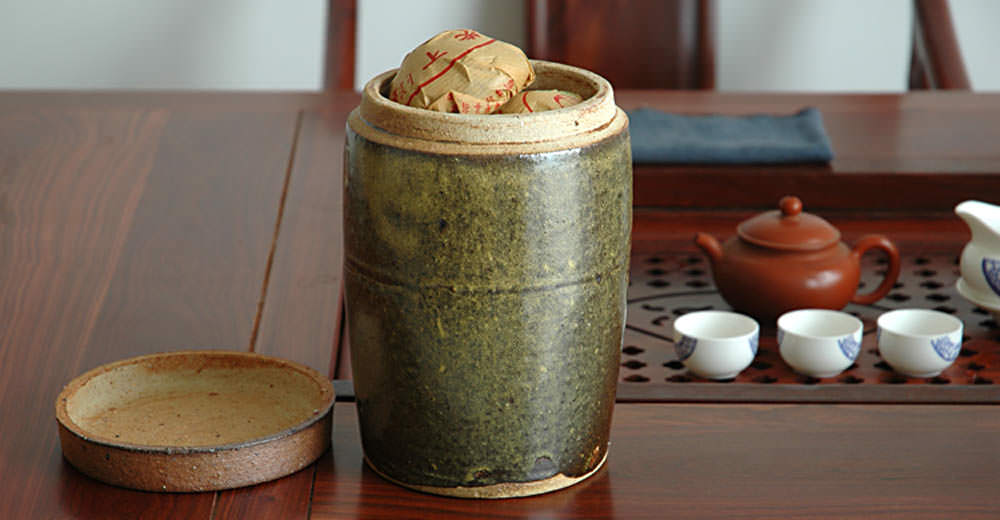
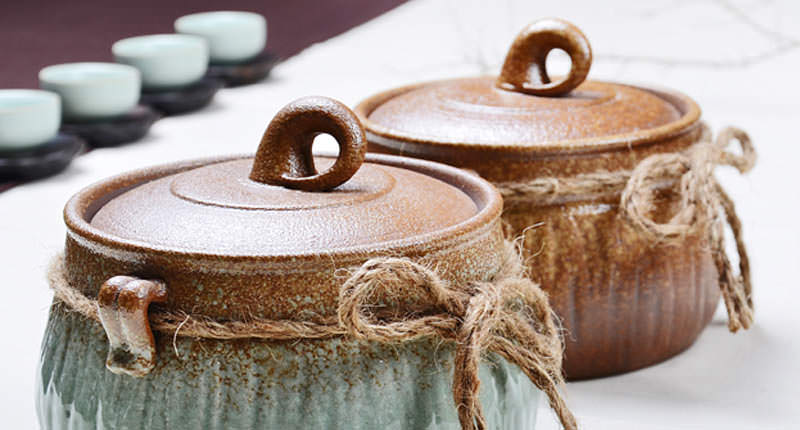
A tea caddy can be described as a mini warehouse for tea leaves. Its main purpose is storing tea, and it is typically crafted from pottery or porcelain. Once opened, tea leaves can be kept in the refrigerator or re-vacuum sealed. However, if you only have a small amount left or plan to brew it again soon, a tea caddy is a super convenient option for temporary storage.
Although used for storing tea, a tea caddy’s seal isn’t completely airtight, making it less suitable for long-term storage. They are best for small batches of tea that you plan to finish within a few days. On the other hand, because post-fermented teas like Pu-erh and compressed tea cakes require proper air circulation and humidity, some people find tea caddies ideal for aging them over the long term.
Tea caddies are relatively uncommon in Taiwan, mainly because oolong tea shouldn’t be exposed to air for extended periods. However, for short-term use, tea caddies are not only incredibly convenient but also offer great aesthetic appeal and make wonderful display pieces.