Why Is Tea Astringent? 6 Ways to Reduce Tea Astringency

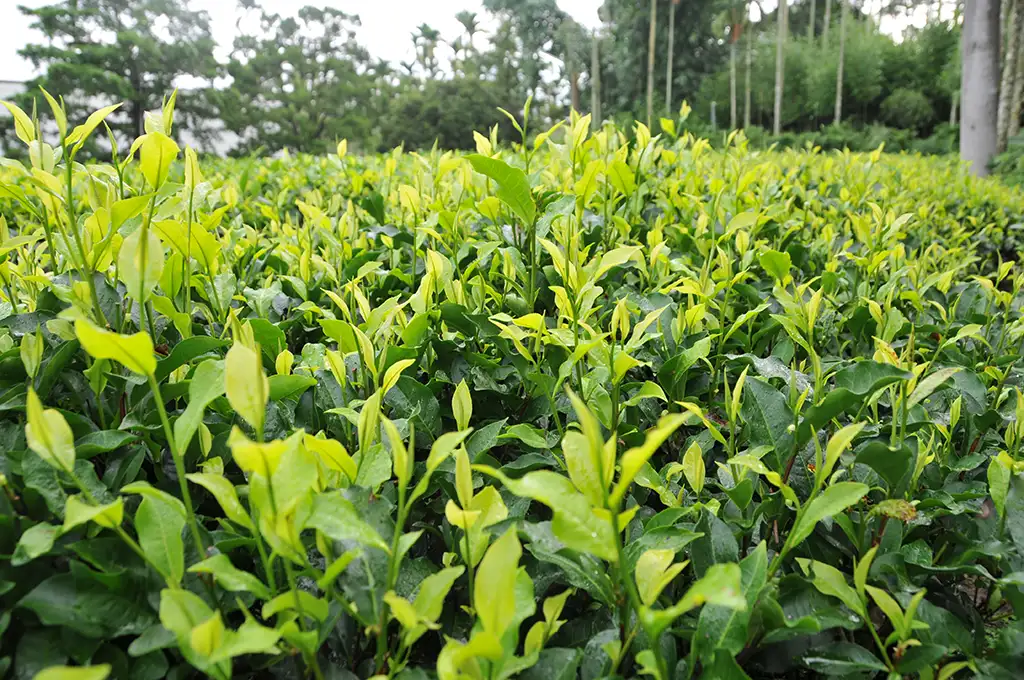
The astringency in tea primarily comes from a compound called tannic acid (tannins). Tannins are especially abundant in the stems and veins of tea leaves. When tea leaves come into contact with water, the tannins dissolve into the water, giving the tea liquor a certain degree of astringency.

Why does tea taste astringent?

Why Is Tea Astringent? What Causes Astringency in Tea

Many factors influence the astringency of tea, including the tea plant variety, growing region, harvest season, and processing methods. Some teas contain higher concentrations of tannins and thus taste more astringent, while others are relatively refreshing with very little astringency. In addition, brewing time and water temperature also affect the release of tannins; steeping for too long or using water that is too hot will make the tea more astringent.

Why does tea taste astringent?

How to Remove Astringency from Tea

If you want to reduce the astringency of your tea, you can try the following methods:

  1. Choose low-astringency teas, such as high mountain tea or Pouchong tea, which have lighter astringency compared to black tea or Pu-erh tea.
  2. Reduce brewing time and water temperature. Appropriate steeping times and lower water temperatures can minimize the release of tannins. Generally speaking, green tea and white tea require shorter brewing times, and the water temperature should not be too high.
  3. Use soft water for brewing. Minerals in hard water may increase the astringency of the tea. Choose soft or filtered water whenever possible.
  4. Try adding other ingredients, such as citrus peel or mint leaves, which can neutralize the tea’s astringency while giving the tea liquor a richer flavor.
  5. Control the amount of tea leaves used. Use an appropriate amount without overdoing it to lower the concentration of astringency.
  6. When storing tea, avoid high temperature and high humidity environments to maintain the quality and flavor of the leaves.

These methods can be adjusted according to personal taste and preferences to help you better enjoy the flavor of the tea. You can also refer to the introduction by the Tea Research and Extension Station

Why does tea taste astringent?

Tea Astringency FAQ

What to do when tea is too astringent

Reduce brewing time, adjust water temperature, blend with other beverages, choose other tea varieties, reduce the amount of tea leaves, and try different brewing methods.

How to brew tea so it's not astringent?

Controlling brewing time and leaf quantity are the main methods. If your current tea still tastes astringent after trying these methods, choose a milder tea variety, such as winter high mountain Oolong tea.

Does an astringent tea mean it's bad quality?

Astringency in tea is normal; please try to find a tasting method that suits you.

Shopping Cart