
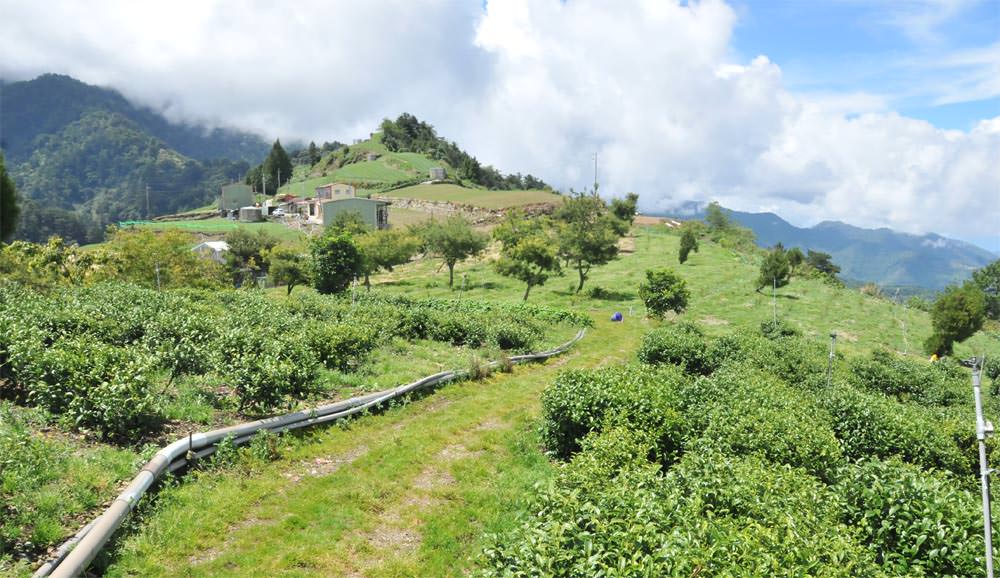
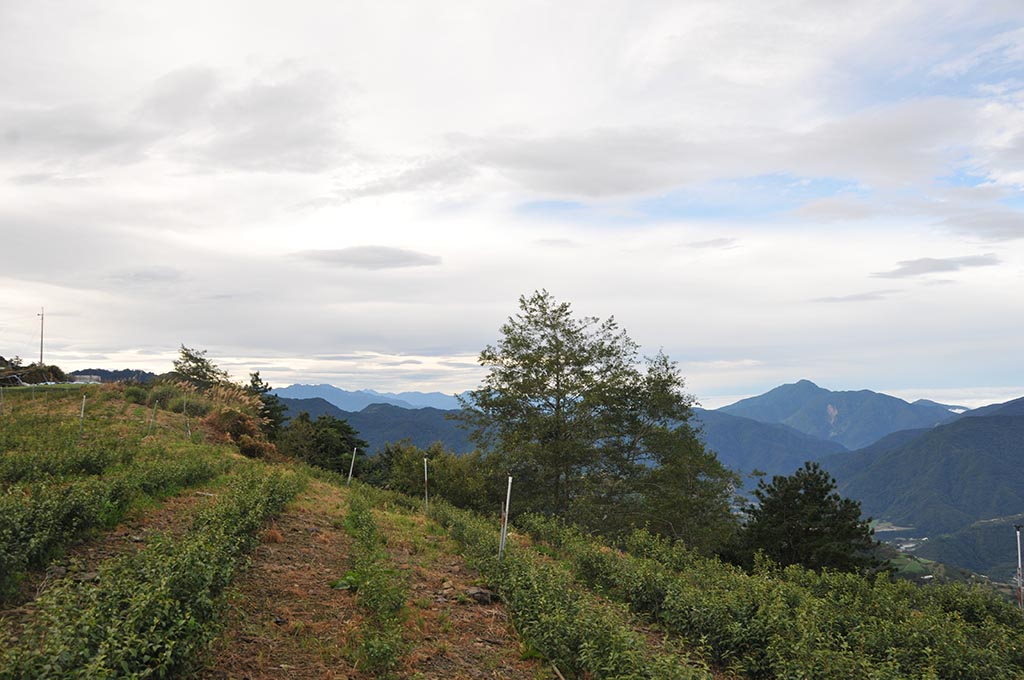
The HuaGung tea region is located in Cihua Village, Ren’ai Township, Nantou County, belonging to the Lishan tea classification at elevations ranging from 1,800 to 2,520 meters. Thanks to its high altitude and favorable climate, the HuaGung High Mountain Tea produced here enjoys high market recognition and has become synonymous with top-tier Lishan tea.
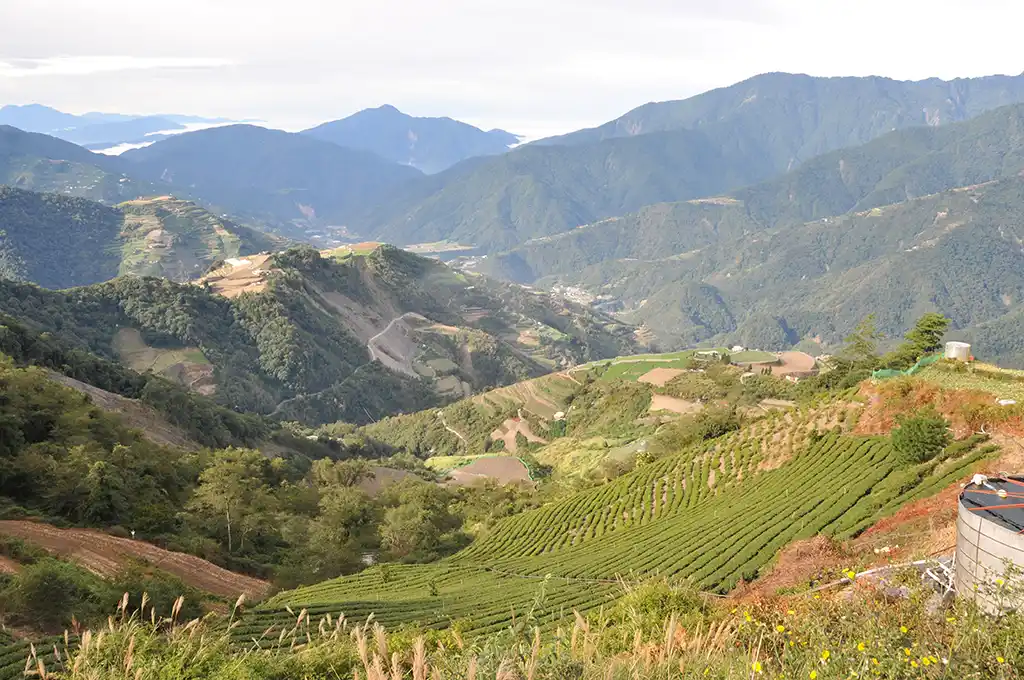
Table of Contents
HuaGung Tea Region Elevation: 1,800 to 2,520 Meters
To clarify: Ever since the 104K and 105K Dayuling tea plantations were removed in 2015, the “HuaGung Water Source Tea Plantation” in the HuaGung tea region has taken the crown as the highest surviving tea plantation in Taiwan. Consequently, the HuaGung tea region has also become the highest-altitude tea region, reaching up to 2,520 meters.
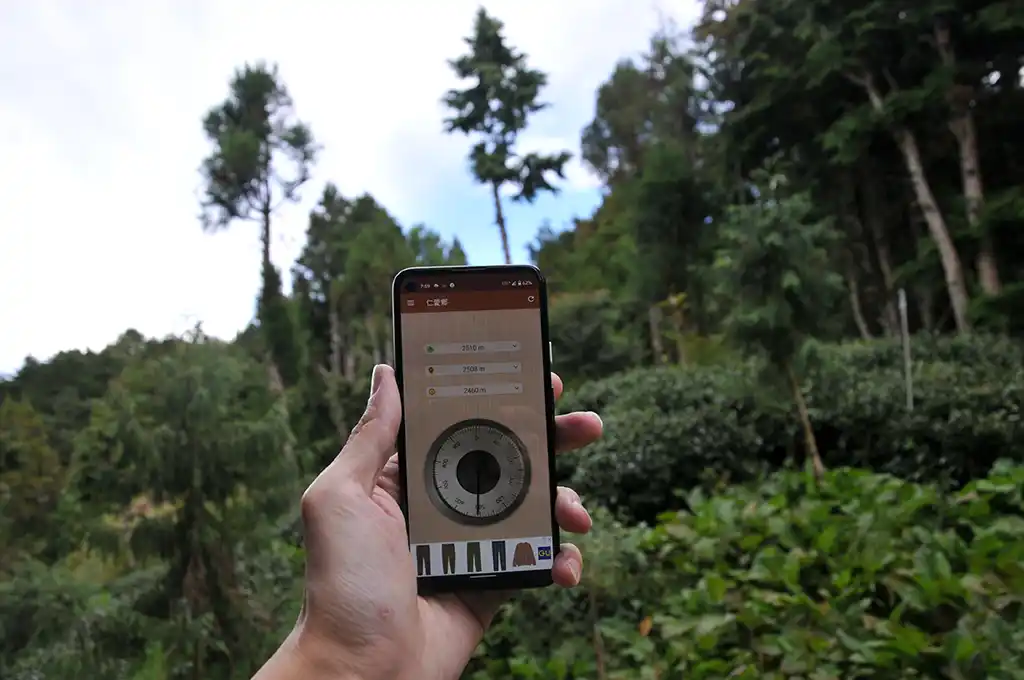
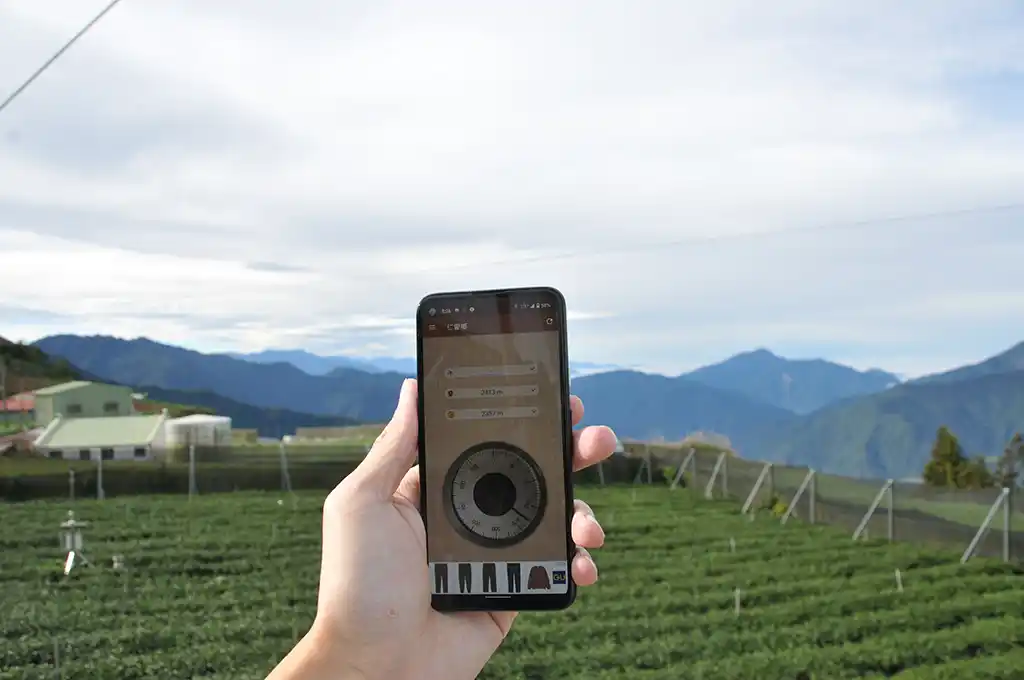
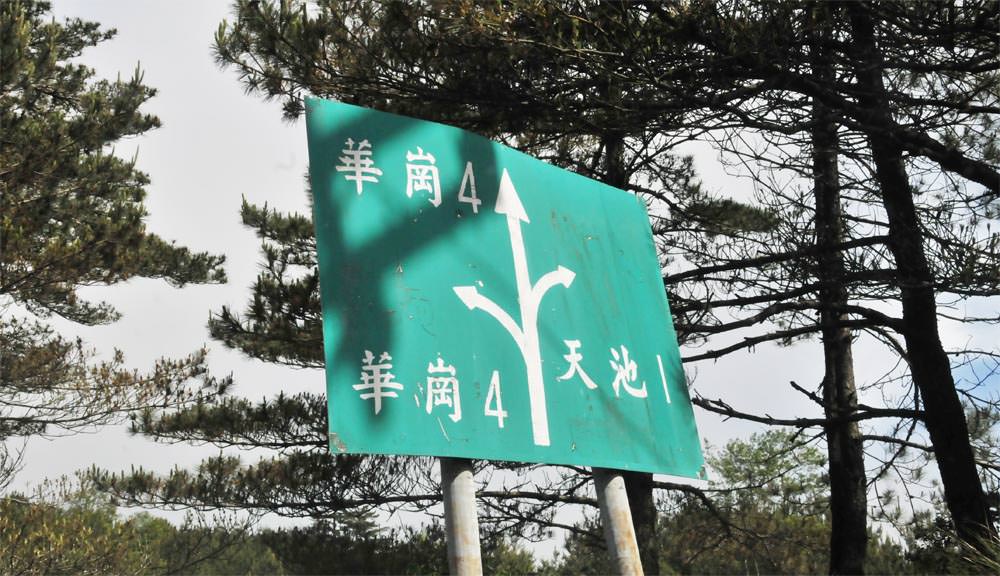
The HuaGung tea region roughly encompasses the Hehuansi Trail, upper HuaGung, HuaGung District 4, and HuaGung District 5. The Hehuansi Trail “HuaGung Water Source Tea Plantation” sits at 2,400 to 2,520 meters; upper HuaGung at 2,300 to 2,450 meters; District 4 at 1,800 to 2,100 meters; and District 5 at 1,800 to 2,200 meters. While it sounds like a large area, most of it is actually vegetable farms, and tea production ranks near the bottom among Lishan tea regions. The elevations below were measured using a mobile app.
Characteristics and Drawbacks of HuaGung High Mountain Tea
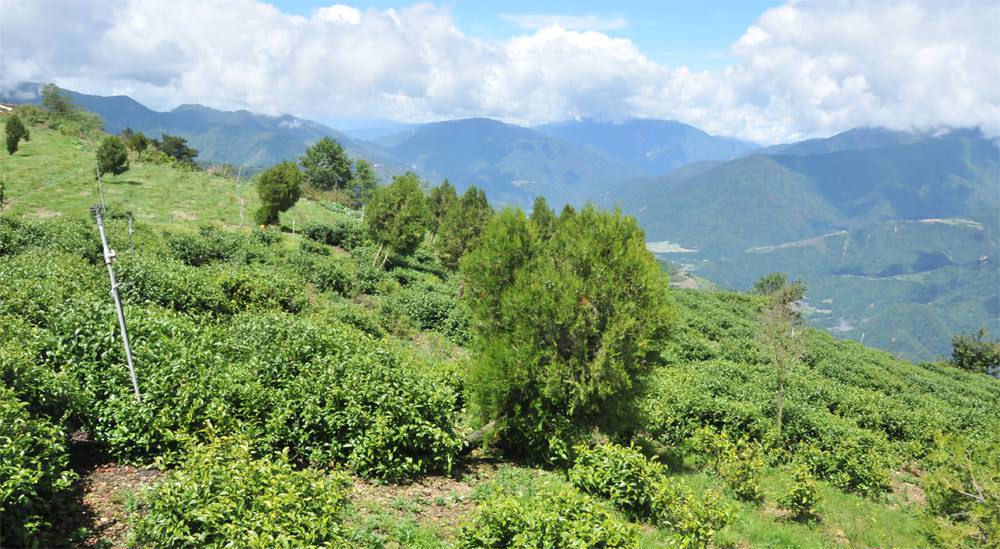
Access to the HuaGung tea region requires driving along Lixing Industrial Road, where transportation is less than ideal. However, the climate is exceptionally well-suited for tea cultivation. Combined with elevations reaching 2,520 meters, the tea produced here features a distinct mountain aura (shan-qi), a fragrant and sweet aftertaste, smooth and mellow flavors, and a high pectin content.
The biggest drawback is the price. Also, due to the very high altitude, spring frost is common; when spring tea is hit by frost, it either suffers internal damage or is completely ruined, so not all HuaGung tea is top-notch, and sometimes shockingly poor tea can appear. Additionally, the area is surrounded by vegetable farms, meaning pesticide drift from neighboring farms frequently contaminates the tea gardens.
HuaGung Tea Region FAQ
What types of tea are grown in the HuaGung tea region? When are the spring and winter teas harvested?
The primary tea variety is still Qingxin Oolong. Spring tea is harvested in May and June. Winter tea is harvested in September and October. High-altitude HuaGung generally does not harvest autumn tea. Around the 2,000m elevation, autumn tea is harvested in August.
How to get to the HuaGung tea region?
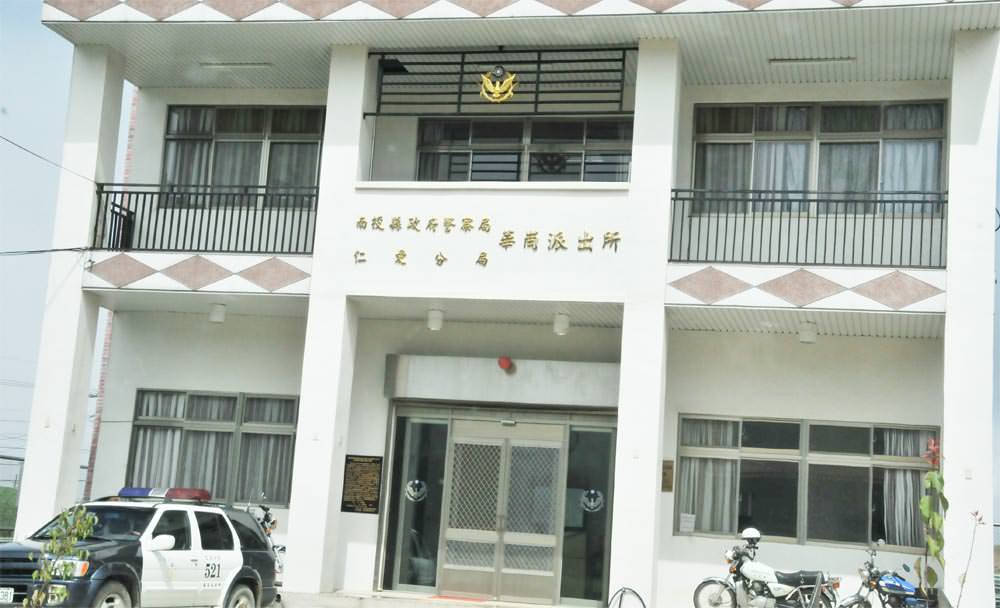
Enter from the Lishan direction, following Fushou Rd. onto the NH89 Lishing Industrial Road. Alternatively, enter from the Cingjing direction by taking the Lishing Industrial Road all the way to the end (over 50 km, and the road is very rough). Set your GPS destination to the HuaGung Police Station.
What is the price of HuaGung high mountain tea?
Wholesale prices for top-tier HuaGung high mountain tea started at least at NT$5,000 per 600 g a few years ago, while tea from the Water Source (Shuituantou) tea gardens starts at least at NT$7,000 per 600 g. Meanwhile, tea from the lower-elevation District 4 and District 5 is priced around NT$3,000 per 600 g.
Why is the tea so expensive?
There are several reasons why tea prices remain consistently high. First, cultivation costs are quite high, coupled with hefty transportation expenses and steep land rental fees in the HuaGung area, where leasing one chia (approx. 0.97 hectares) of land can cost over NT$1 million. Furthermore, tea yields are relatively low while demand is high, creating a supply shortage that keeps prices elevated.