
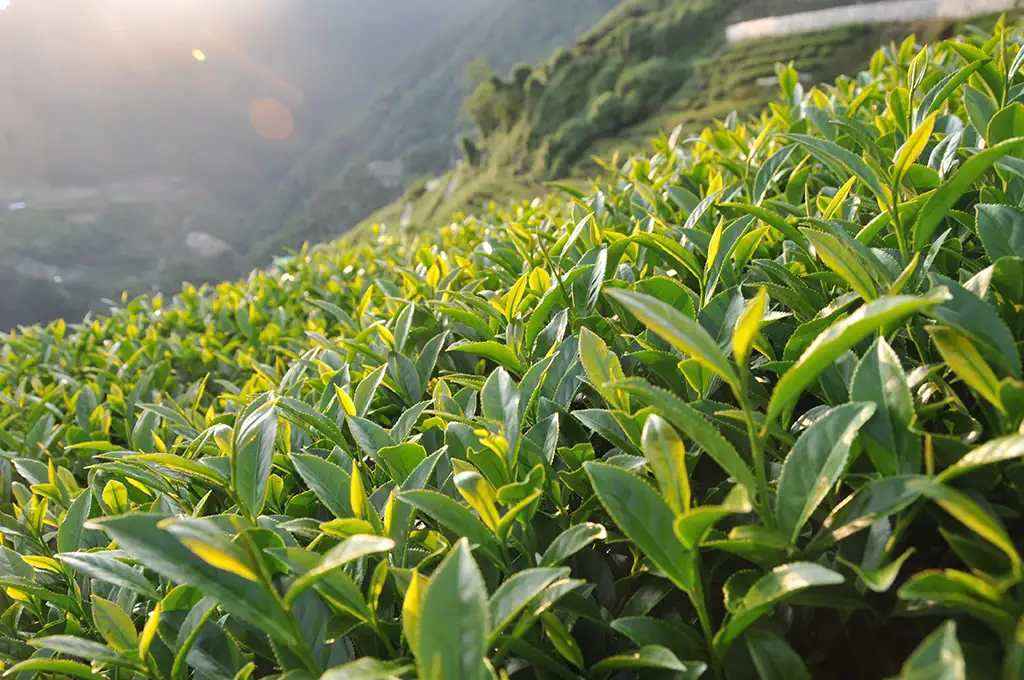
Qilai Mountain tea is grown in Duda Village, Ren’ai Township, Nantou County and Delugu Village. The tea gardens are mainly distributed around the 96 km mark of Provincial Highway 14, above Duda Village, and above Jingguan Settlement. In recent years, this region has earned extremely high praise in the tea community, emerging as a premier origin for high-quality tea. The high-altitude tea gardens in this area primarily produce lightly fermented oolong tea, along with small quantities of black tea and heavily fermented oolong tea.
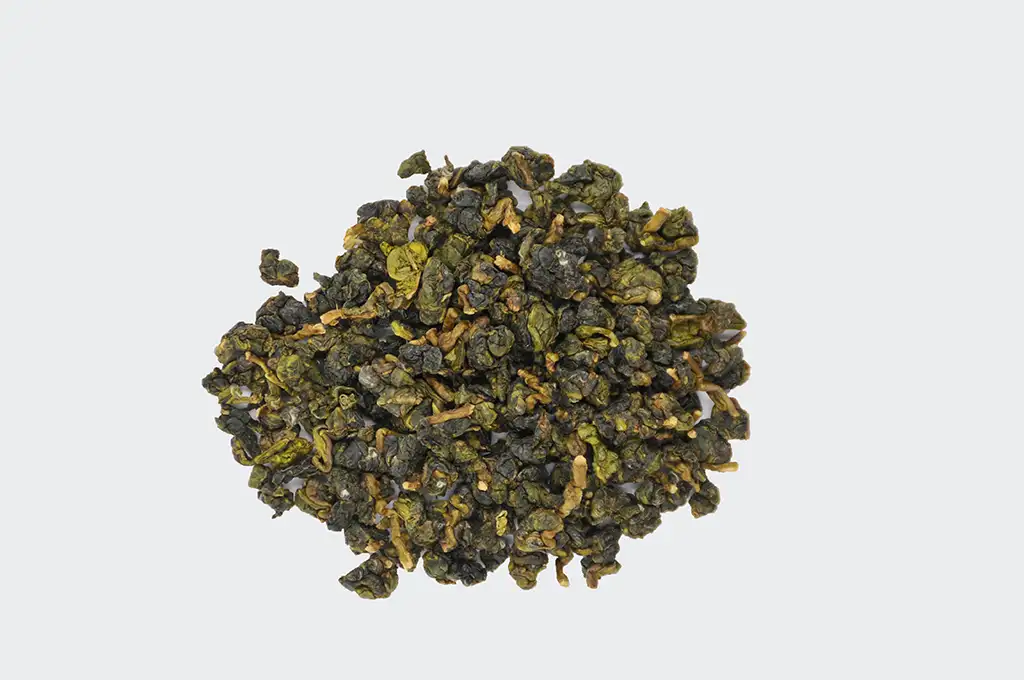
The Rise of Qilai Mountain Tea
Before 2010, the Qilai Mountain area was mainly cultivated for fruits and vegetables, with low tea production concentrated near the Lushan Settlement around the 96 km mark of Provincial Highway 14. After 2010, tea gardens gradually expanded above Duda Village, and the quality of Qilai Mountain tea began to attract widespread attention. These tea gardens were developed along the Luzhong Industrial Road, reaching altitudes of up to 2,050 meters, making them the finest tea-producing origins in the Qilai Mountain region. Around 2020, large-scale tea cultivation also began above Jingguan Settlement, yielding quite favorable results in tea quality.
Shop High-Quality Tea: Qilai Mountain Tea
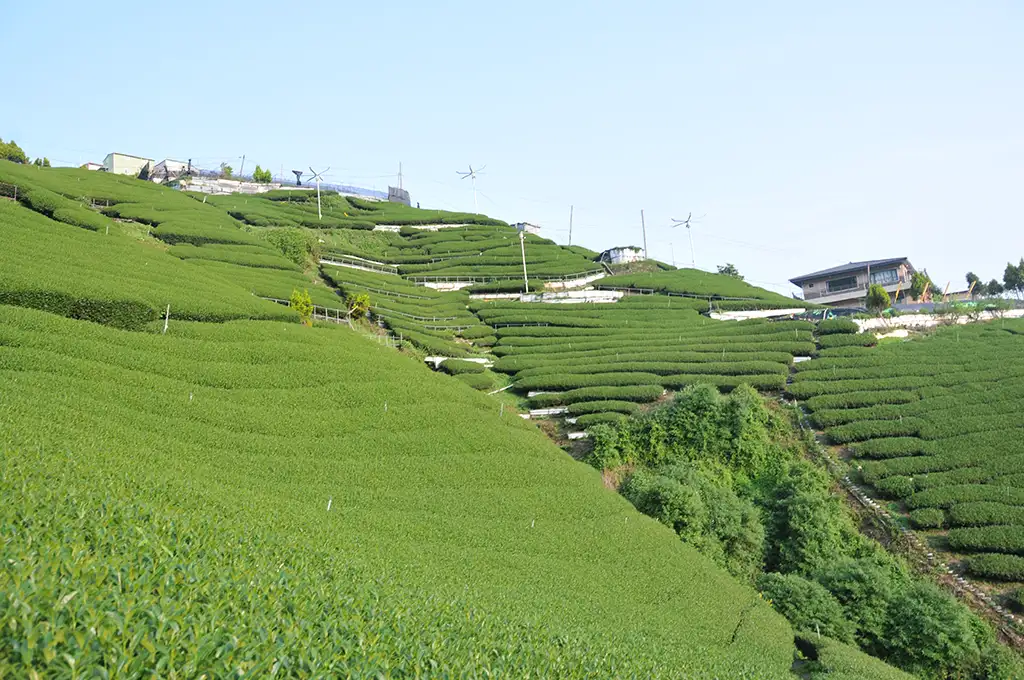
Prices of Qilai Mountain Tea
The price of Qilai Mountain tea varies by season. Spring and winter teas typically sell between NT$2,000 and NT$3,500 per 600 g, while autumn tea ranges from NT$1,200 to NT$1,800 per 600 g. Among them, the tea produced along the Luzhong Industrial Road above Duda Village offers the best quality and commands the highest price. Tea from the 96 km mark section of Provincial Highway 14 is relatively lower in price, with spring and winter teas selling between NT$1,800 and NT$2,500 per 600 g. Similar to other high-end tea regions, top-tier Qilai Mountain tea often undergoes “grade upgrading” and is frequently packaged and sold as Lishan tea, Dayuling tea, Fushoushan tea, or Biluxi tea, fetching between NT$4,000 and NT$6,000 per 600 g.
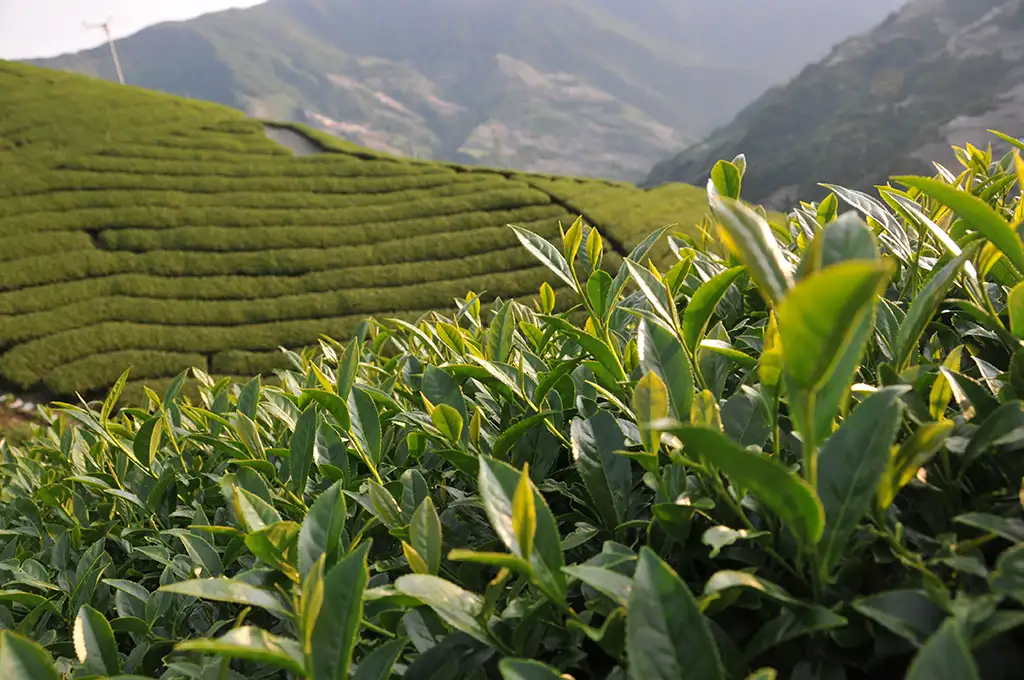
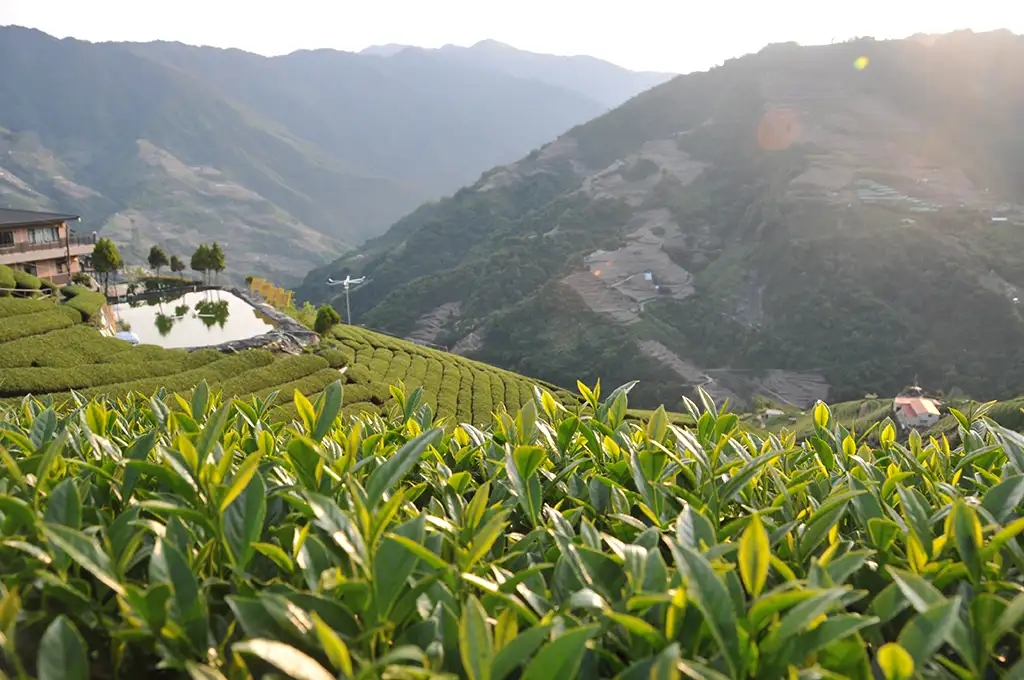
Liao Chang Xing's Review of Qilai Mountain Tea
An overall rating of 70 points, with a peak potential of 90 points—a high-quality tea origin. The quality of Qilai Mountain tea varies significantly, largely depending on the level of investment in tea garden management. Gardens that apply generous amounts of soybean meal, compound fertilizers, and enzymes boast an exceptionally high quality ceiling, producing tea that rivals Lishan tea. Conversely, tea produced from orchards lacking irrigation systems and using only No. 42 chemical fertilizer tends to be of lower quality and is best avoided.