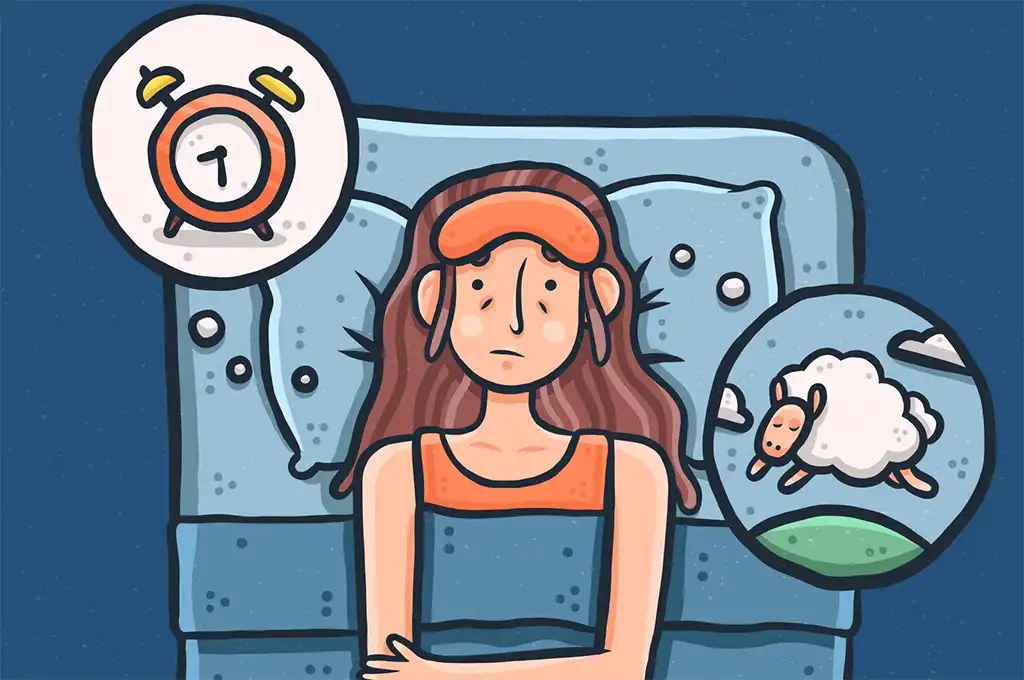
Can Drinking Tea Keep You Awake? 3 Simple Tips to Prevent Insomnia

Does drinking tea keep you awake? Do you love having a cup of hot tea after meals or in the afternoon, only to find yourself tossing and turning at bedtime? Let’s dive into why tea can affect your sleep and share 3 simple tips to help you solve this problem~

Does Drinking Tea Keep You Awake?

Why Does Drinking Tea Keep You Awake?

The main culprit behind not being able to sleep after drinking tea is caffeine! Caffeine stimulates the central nervous system, helping to wake you up and boost focus. However, if consumed too late or in excess, it can easily cause overexcitement and side effects that interfere with falling asleep. So if you notice your sleep quality dropping after drinking tea, this tiny molecule is likely to blame.


Does drinking tea keep you awake?

3 Ways to Enjoy Tea Without Ruining Your Sleep

To avoid sleep issues from drinking tea, try these 3 simple tips:

  • Choose the right time to drink tea: It is best to avoid drinking tea within 4 hours of bedtime, giving your body enough time to metabolize the caffeine. If you are especially sensitive to caffeine, we recommend stopping caffeinated teas after midday.
  • Control your caffeine intake: Don’t overdo it with tea! Enjoying it in moderation lets you truly appreciate it. If you love tea but suffer from insomnia, consider low-caffeine options or brew it lighter (stronger tea has more caffeine)—reducing your intake helps you sleep peacefully.
  • Pick the right tea: Try roasted teas (such as traditional Tieguanyin or aged Puer). These teas generally have lower caffeine content and have less impact on sleep. If it still affects you, switch to caffeine-free herbal or flower teas! Your health is more important than tea, right?

I Used to Drink Tea Just Fine Before, Why Is It Affecting My Sleep Now?

If drinking tea never used to keep you awake, but you’ve recently become sensitive to it, consider these factors:

  • Changed your tea variety: Caffeine levels vary significantly between different teas—for instance, black tea usually has more caffeine than oolong tea. Switching to a new tea could be the reason.
  • Drinking closer to bedtime: Having tea after dinner or right before sleep means the caffeine is still active in your body when it’s time to rest, naturally making it harder to sleep.
  • Changes in constitution or routine: Stress and shifts in sleeping habits can also make you more sensitive to caffeine.
Does drinking tea keep you awake?

If drinking tea genuinely keeps you awake, try switching to caffeine-free herbal or floral teas, such as chamomile or cassia seed tea, both of which help relax the body and mind. Also, remember to cut back on caffeinated teas as much as possible after midday.

Shopping Cart