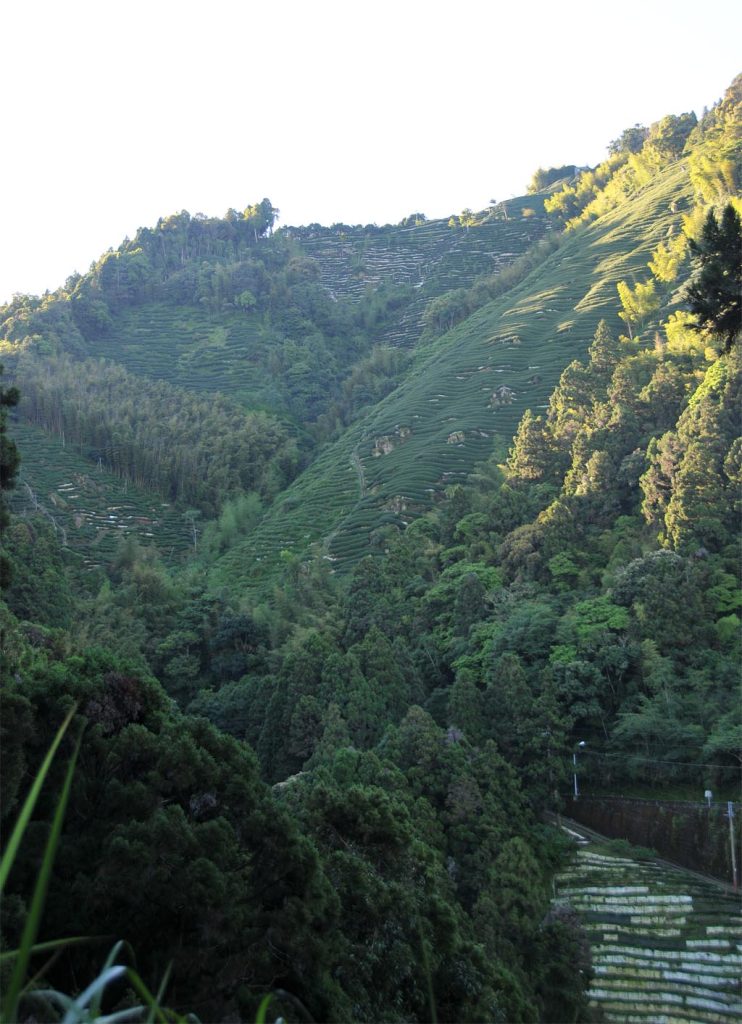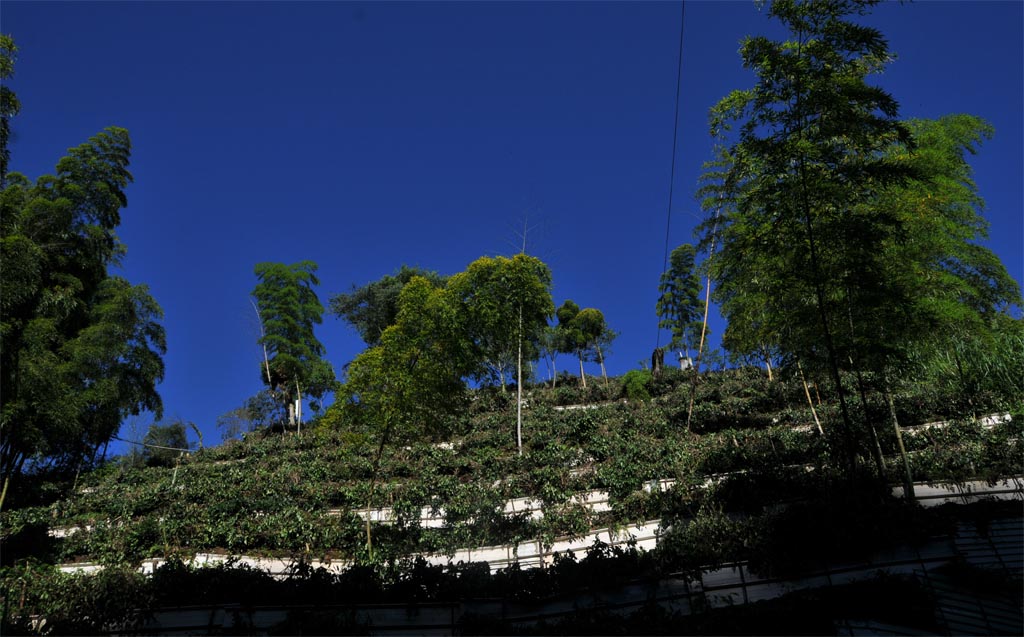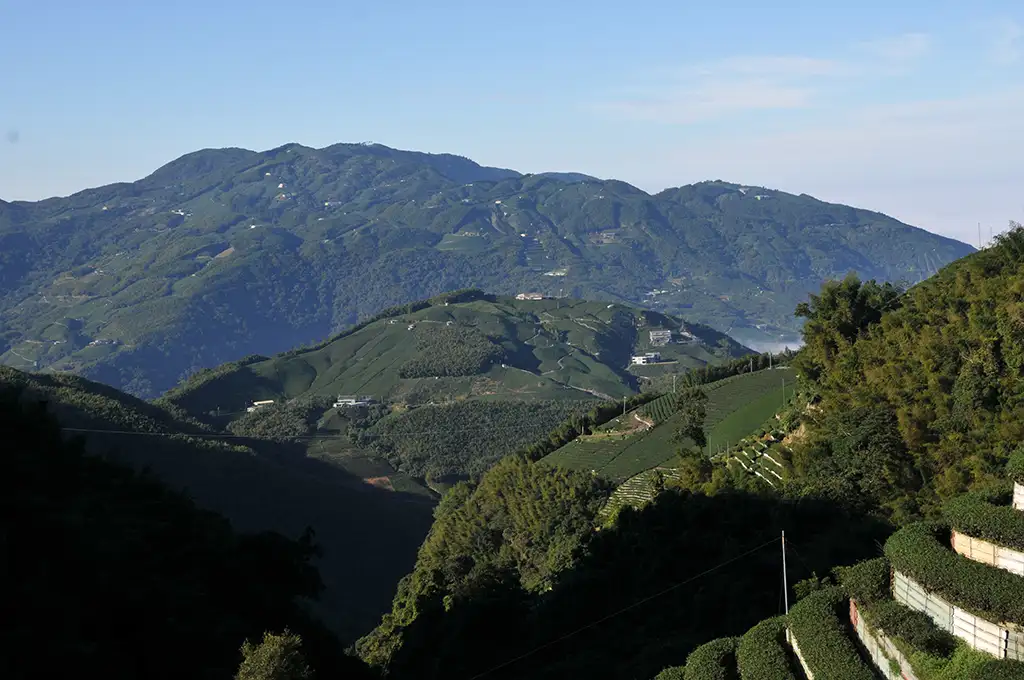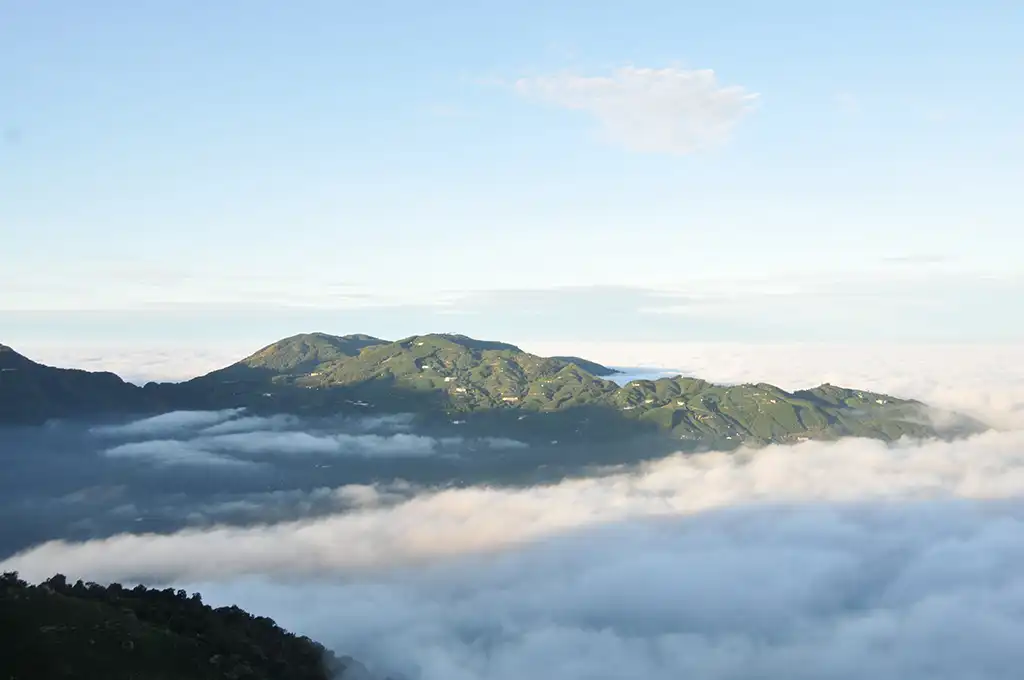
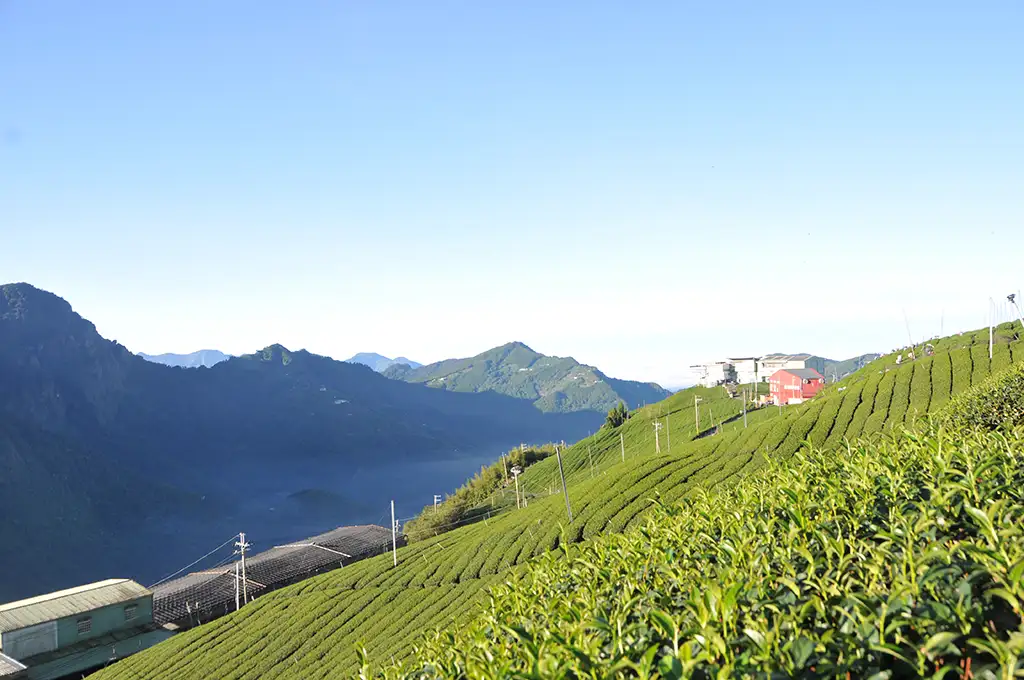
ShanLinXi Tea Region

ShanLinXi tea region

ShanLinXi Tea Region Guide: 6 Sub-regions of ShanLinXi

The ShanLinXi tea region ranges from 800 meters to 1,950 meters in elevation, centering around the ShanLinXi Forest Recreation Area, from which it gets its name. With an annual rainfall of 2,700 mm and an average annual temperature of 21°C, it stands alongside Lishan and Alishan as one of Taiwan’s three major high mountain tea
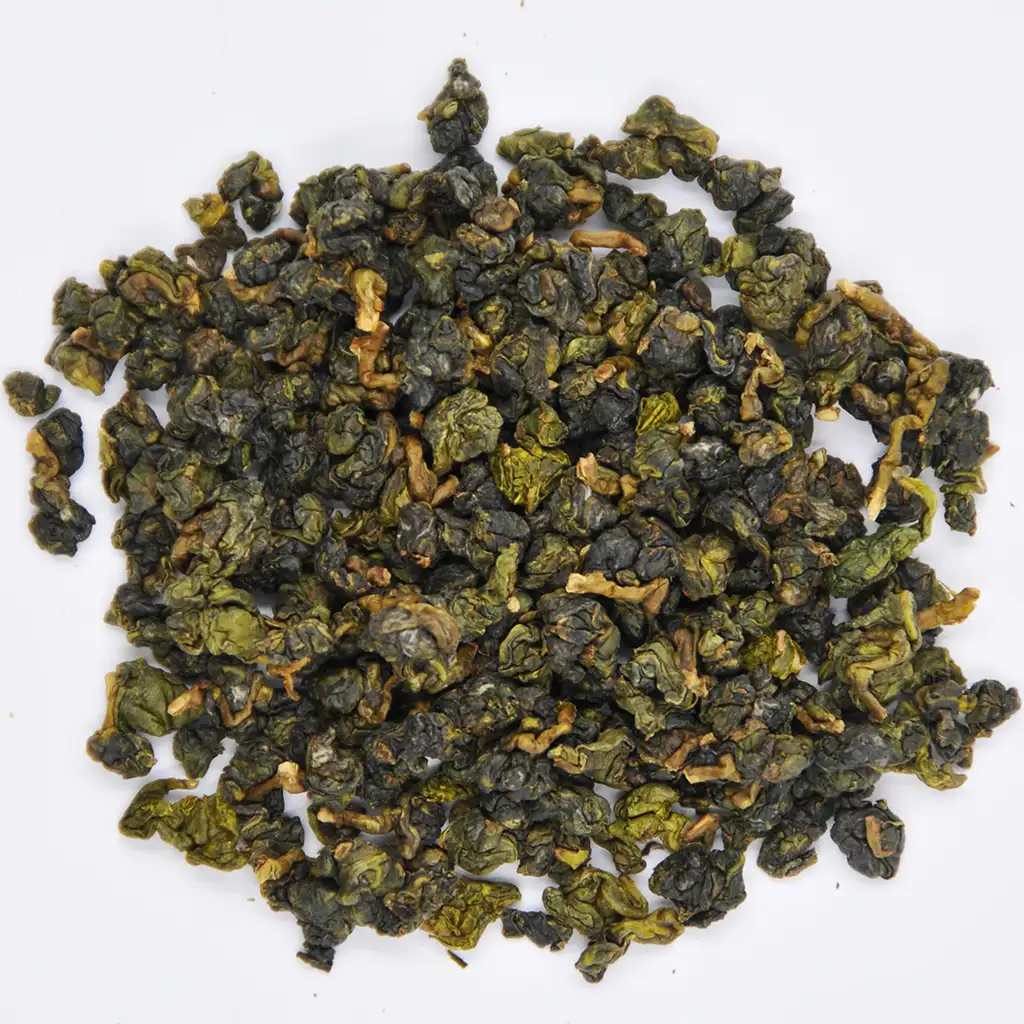
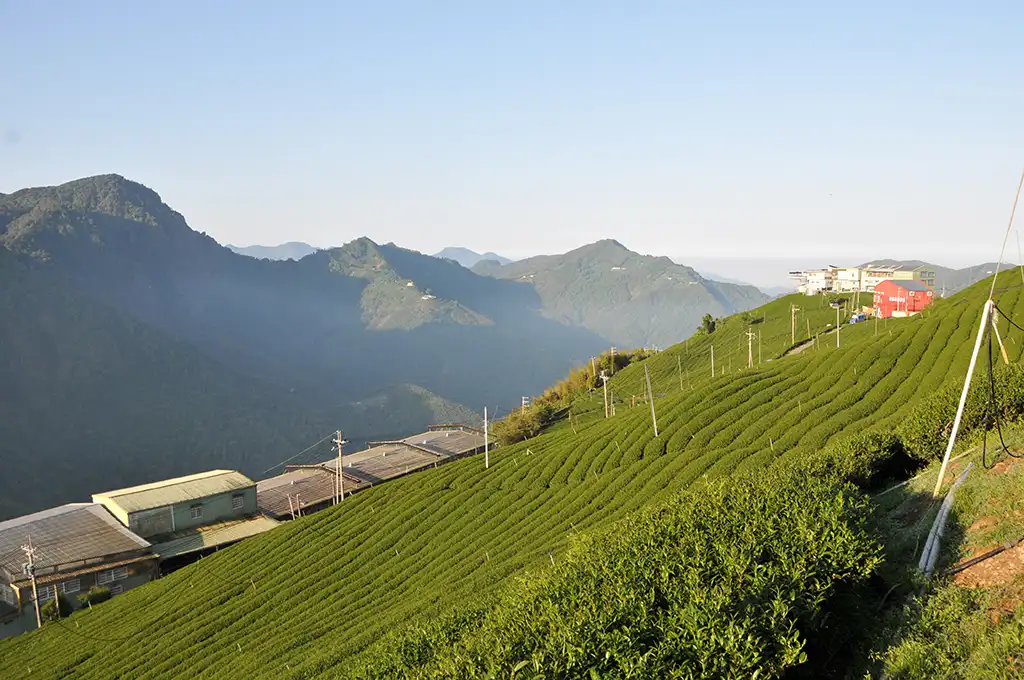
LongFengXia Tea

LongFengXia Tea: A Gem Among Taiwan High Mountain Teas

With its rich culture and unique geography, Taiwan is one of the world’s premier tea-producing regions. Among these prized tea estates, LongFengXia tea stands out for its distinct flavor and exceptional quality, truly earning its reputation as a gem of Taiwan high mountain teas. Located in the mountainous area of Zhushan Township in central Taiwan

LongFengXia Tea Region

LongFengXia Tea Region: LongFengXia Tea at an Altitude of 1,800 Meters

ShanLinXi High Mountain Tea is renowned far and wide, with the “LongFengXia Tea Region” being the most famous of all. Located in Zhushan Township, Nantou County, LongFengXia reaches altitudes of up to 1,800 meters. The tea produced here boasts a very distinctive “high mountain mountain aura” (shan tou qi), making it a star-studded origin for

Liulongtou Tea Plantation: 1,800 Meters Above Sea Level

The original and correct name is “Liulongtou” (cableway head), as cableways were historically used to transport timber in the early days. Because some felt that the original name didn’t sound refined enough, it was changed to Liulongtou (which sounds like “staying dragon head”). The Liulongtou Tea Plantation sits at an elevation of over 1,800 meters.

Forget-Me-Not Forest Caodanzai Tea Plantation

The character “坔” sounds like “地” (earth), and when pronounced in Taiwanese Hokkien, it sounds like “落” (to sink), referring to sunken muddy ground. Caodanzai is also sometimes referred to as Caowanzai. This wetland was formed after the devastating 921 earthquake and is home to the famous attraction, the Forget-Me-Not Forest. This is the highest

2022 LongFengXia and Budongyu Winter Teas Coming Soon

For all of you who have been waiting patiently for LongFengXia, the shop manager has found the good stuff—LongFengXia Winter Tea is definitely making an appearance. On top of that, we have a surprise: after a long absence, Budongyu is making its comeback! /*! elementor – v3.7.8 – 02-10-2022 */ .elementor-widget-image{text-align:center}.elementor-widget-image a{display:inline-block}.elementor-widget-image a img[src$=”.svg”]{width:48px}.elementor-widget-image img{vertical-align:middle;display:inline-block}

2023 Daan Ruan’an Tea District Spring Tea Report

At the end of April, our store manager visited the tea plantations in the Ruan’an tea district of Zhushan Township. Along the Tou 49 township road at elevations between 800 and 1,000 meters, many tea gardens had already finished harvesting. The highest Ruan’an tea district at the end of the route has also entered its

2023 LongFengXia Budongyu Winter Tea Update

The Lishan winter tea season is coming to an end, while ShanLinXi LongFengXia is just entering its peak harvest period. This year’s winter tea from LongFengXia and Budongyu is “looking great,” and with fantastic weather during the harvest, this season is shaping up to be “above average in quality.” /*! elementor – v3.17.0 – 25-10-2023

Yangzaiwan Tea Region

Yangzaiwan Tea Region: Yangzaiwan Tea Grown at 1,500 Meters

The Yangzaiwan Tea Region (also known as Yangwan Tea Region) is located on the border of Lugu Township and Zhushan Township in Nantou County. The tea plantations are primarily situated on Dalunshan in Lugu Township, which is why it is also referred to as the Dalunshan Tea Region. Yangzaiwan ranges in altitude from 1,250 to

ShanLinXi Tea Prices

[Customer Question] ShanLinXi tea prices vary wildly. Some tea shops sell it for NT$3,600 per 600 g, while shopping channels and online auctions sell it for as low as NT$400 per 600 g. What is a reasonable price for ShanLinXi tea per 600 g? Due to significant elevation differences across the ShanLinXi region, as well

Characteristics of ShanLinXi Tea

ShanLinXi tea is primarily grown in high-altitude mountains above 1,200 meters. Its defining characteristics include a robust high-mountain aroma, minimal bitterness, and a rich, lingering aftertaste. In addition to these traits, ShanLinXi tea possesses unique qualities that set it apart from other high-mountain teas: Cool, Faint Fir Aroma: Due to the abundant cedar and fir

Shitoushu Tea Area, Elevation 1,050 to 1,300 Meters

The Shitoushu Tea Area is located right below Sancengping and Fanzitian. You can think of it simply as a lower-elevation version of the Sancengping tea area. While its elevation is relatively lower, it still sits at 1,050 to 1,300 meters, so its quality shouldn’t be underestimated. The Rugged Roads to Shitoushu The store manager’s biggest

Introduction to ShanLinXi High Mountain Tea

ShanLinXi High Mountain Tea is produced around Zhushan Township in Nantou County, Taiwan, and is one of Taiwan’s top three high mountain tea regions. With frequent mountain mists and significant temperature differences between day and night, the tea plants grow slowly, resulting in an exceptionally sweet, lingering aftertaste. In recent years, with a growing number

Characteristics of ShanLinXi High Mountain Tea

ShanLinXi High Mountain Tea is grown at high altitudes between 1,000 and 1,800 meters. Due to the slow growth rate and high elevation, the leaves yield less bitterness, offer a wonderful sweet aftertaste, and possess a distinct high mountain aroma. Furthermore, spring and winter harvests offer noticeably different flavor profiles. Beyond these, ShanLinXi High Mountain

Fanzitian Tea Region

Fanzitian Tea Region: Fanzitian Tea at an Elevation of 1,650 Meters

Whether in terms of elevation or tea quality, the Fanzitian tea region is a premium origin that can rival LongFengXia. While its elevation (800–1,650m) is slightly lower than LongFengXia, the gap is minimal. Facing generally eastward, its sunlight conditions are even better than those of LongFengXia. As an emerging tea region, its soil vitality is

Shopping Cart