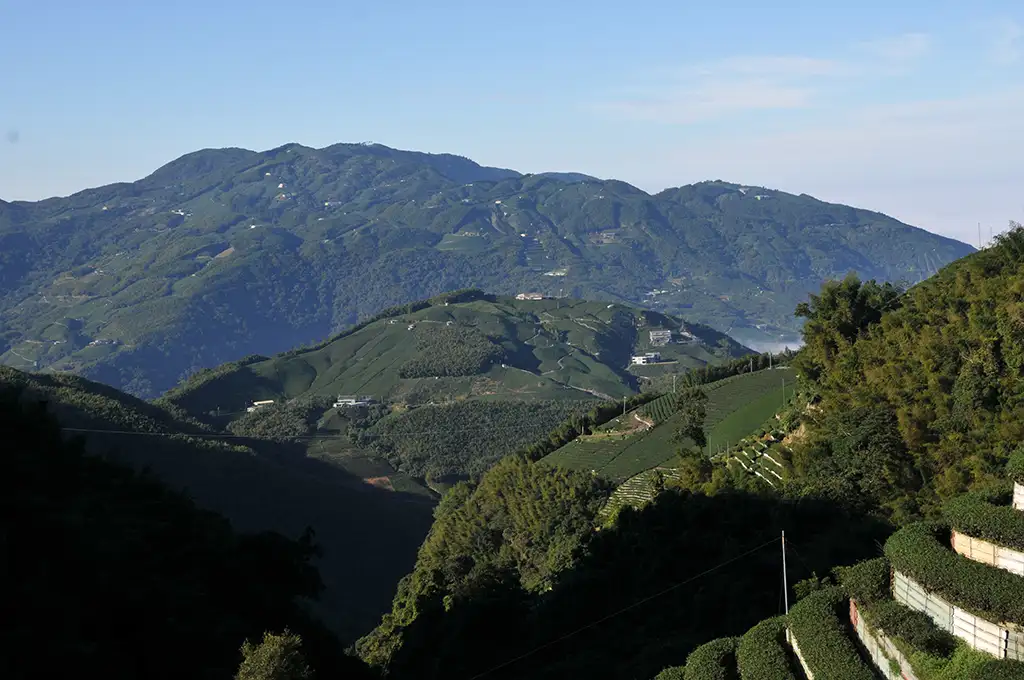
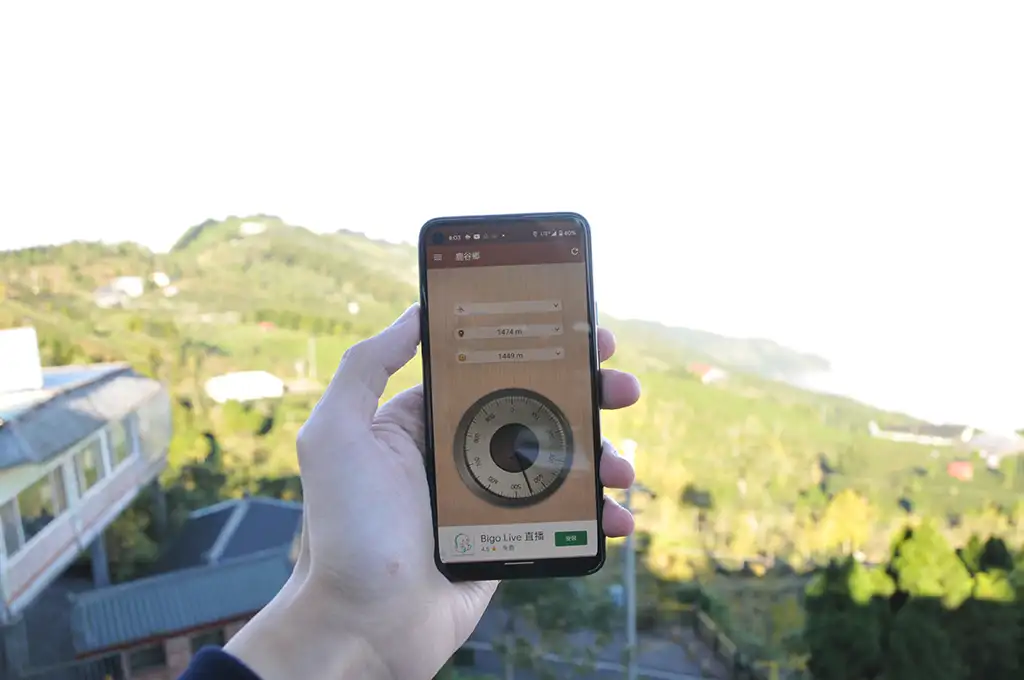
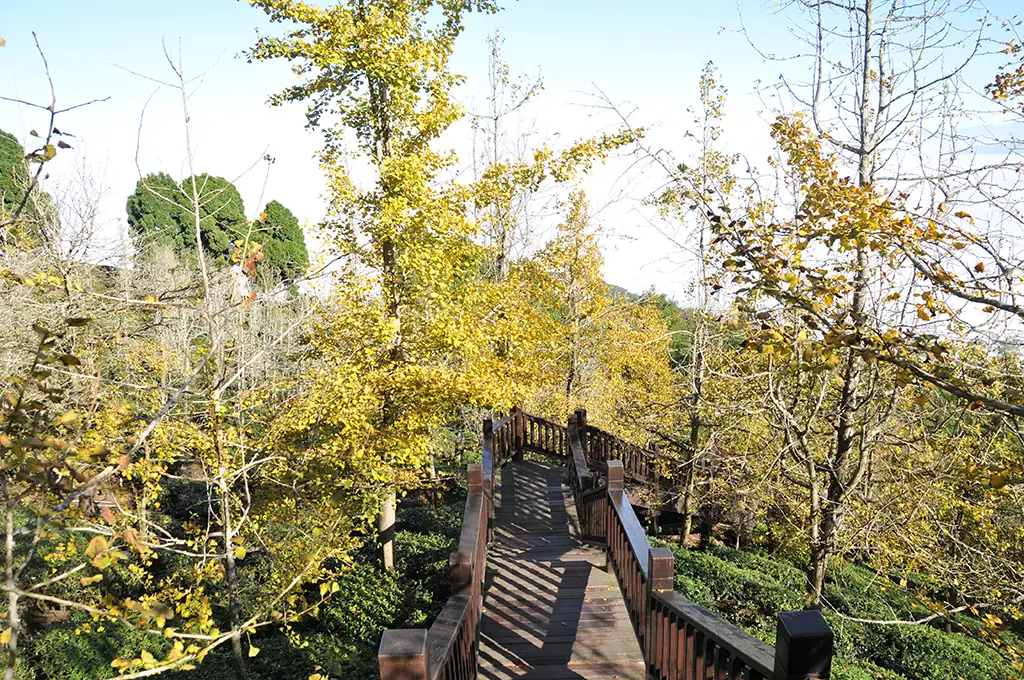
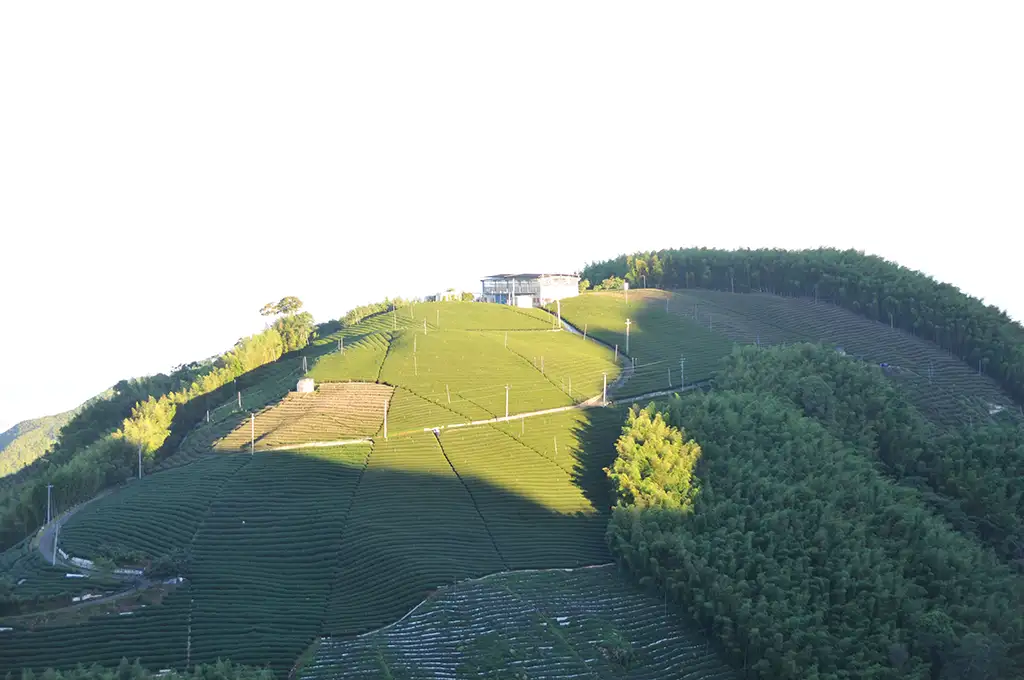
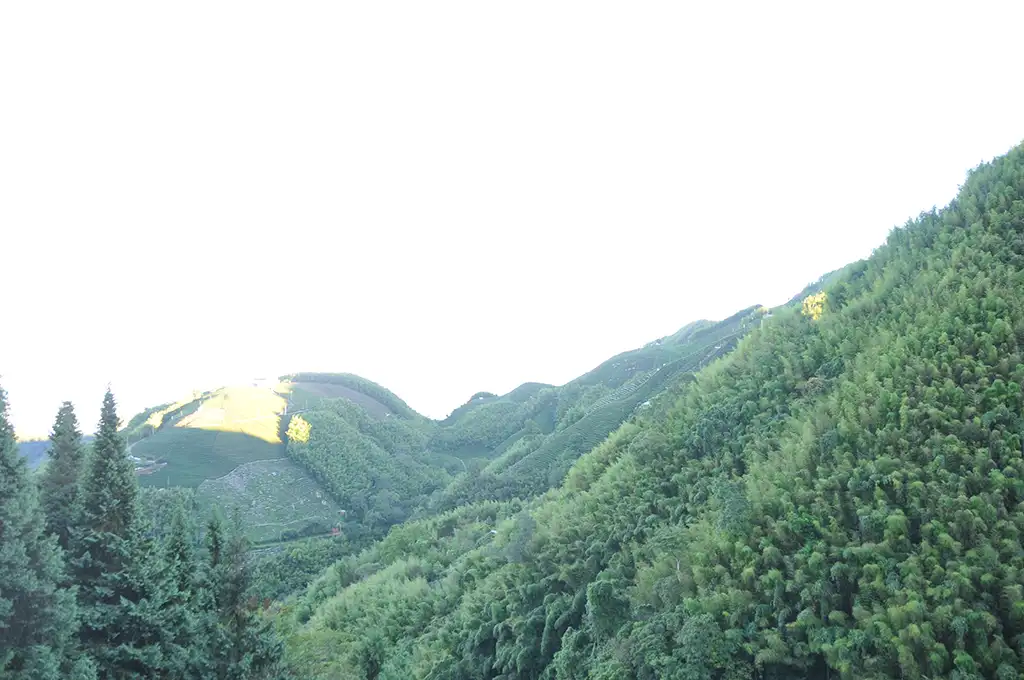
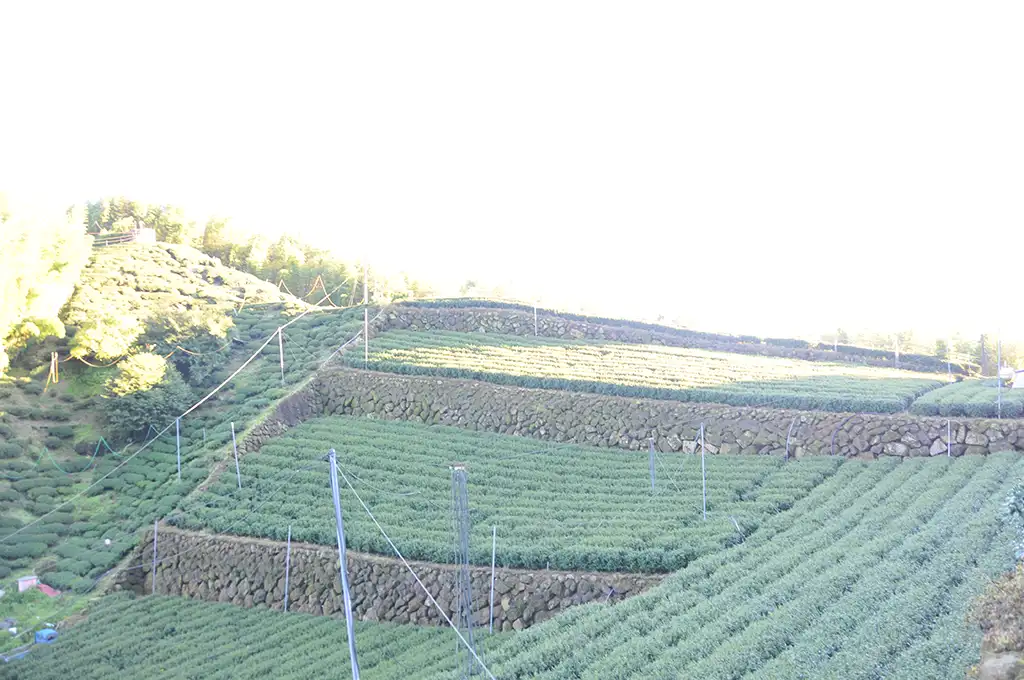
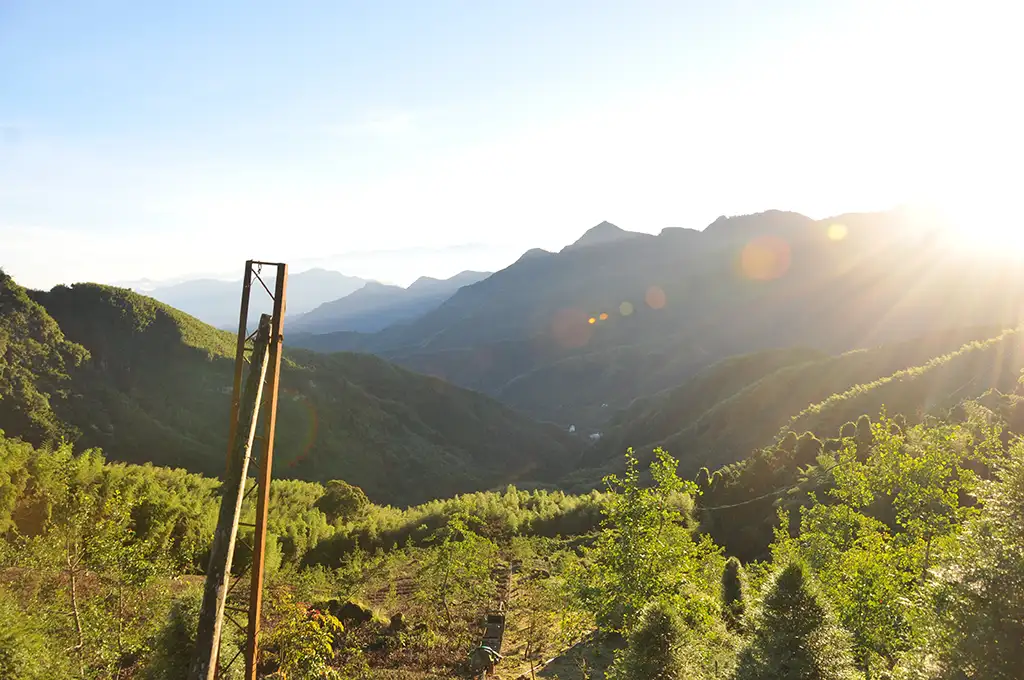
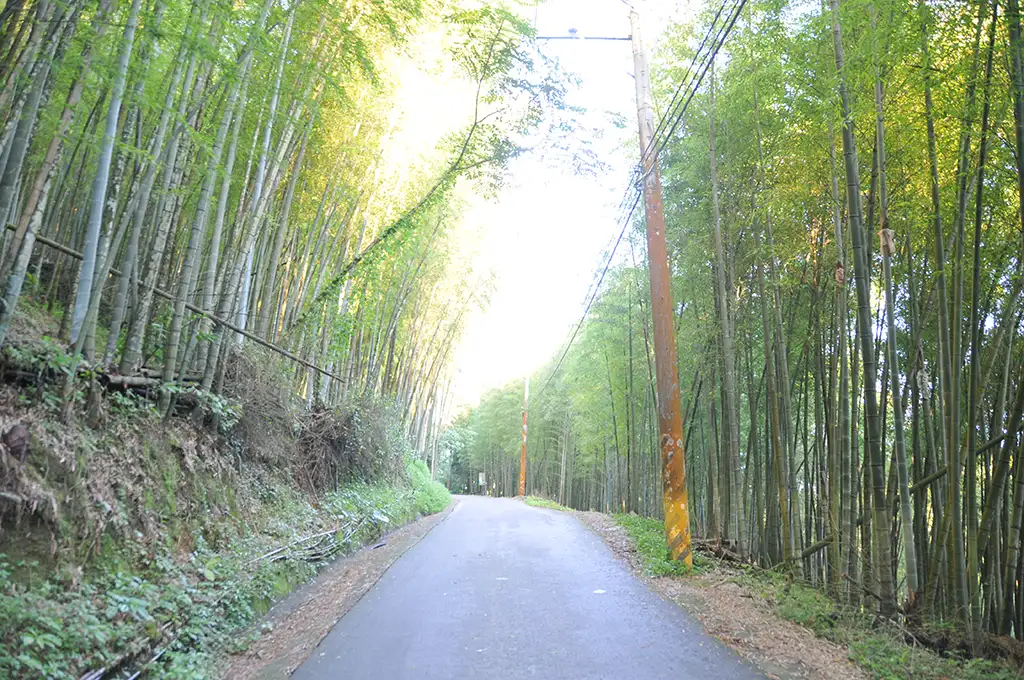
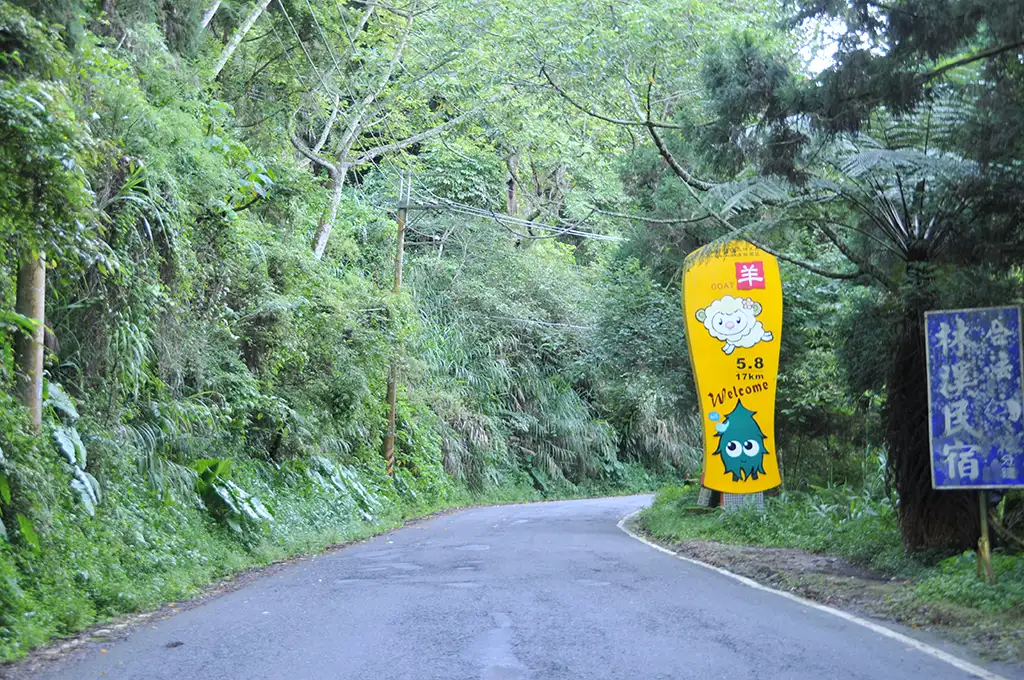
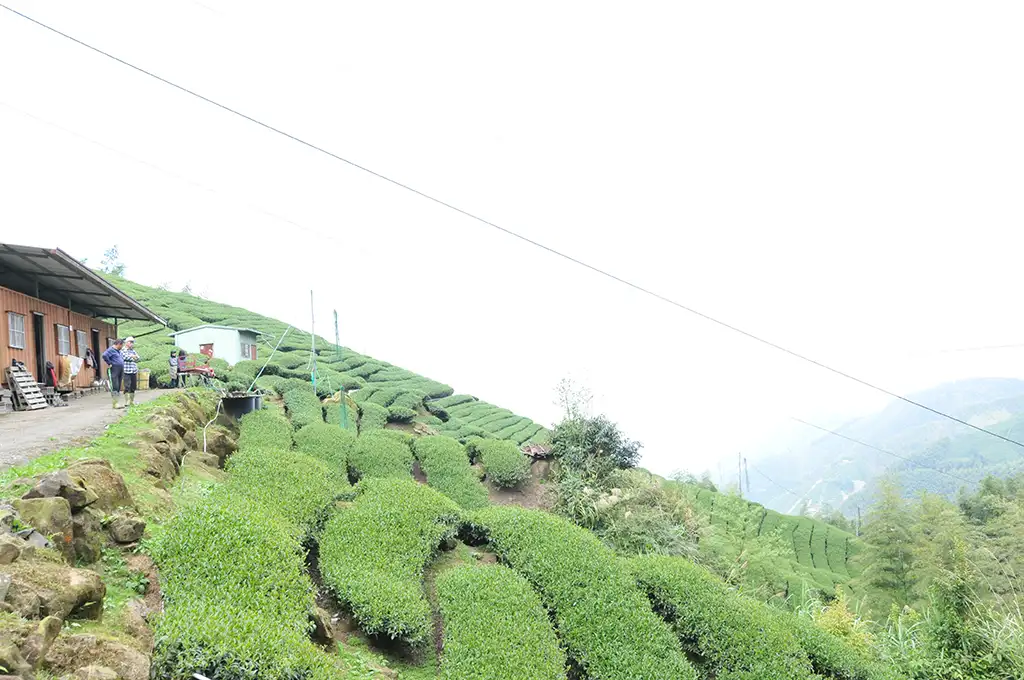
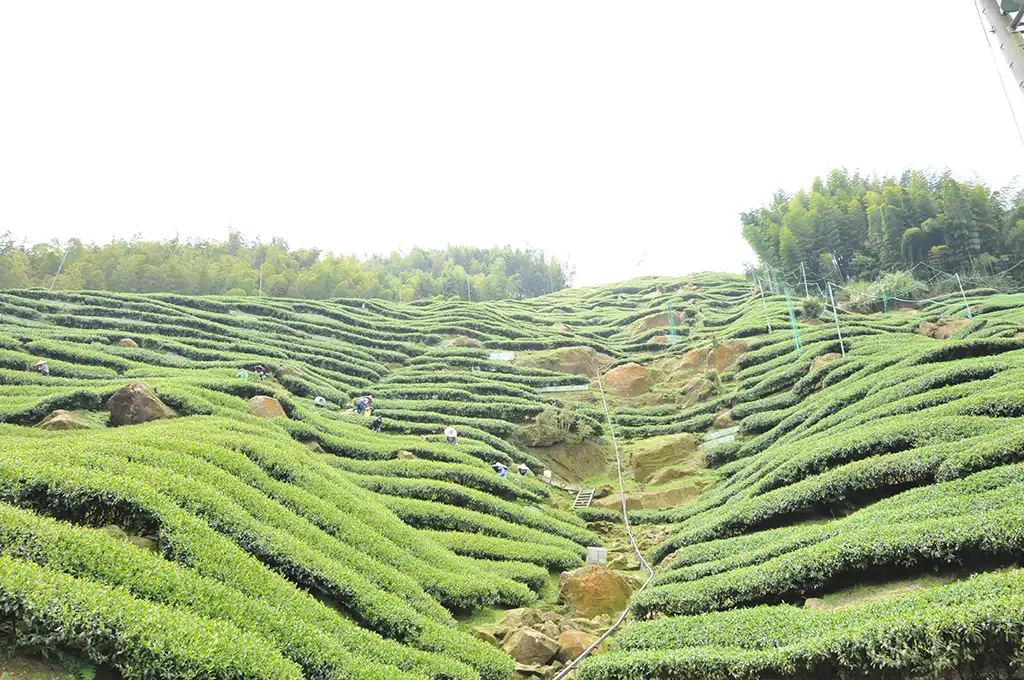
The Yangzaiwan tea area (also known as Yangwan) sits at the border of Lugu Township and Zhushan Township in Nantou County. Most tea farms are located on Dalun Mountain in Lugu, which is why it is also called the Dalun Mountain tea area. Yangzaiwan ranges from 1,250 to 1,500 meters in elevation and is famous for its Ginkgo Forest scenic spot.
Table of Contents
Yangzaiwan Tea Area Reaches Altitudes Up to 1,500 Meters
The tea plantations are cultivated along Yangwan Lane, reaching elevations up to 1,500 meters. Where the store manager is standing below is in the Ginkgo Forest, close to 1,500 meters high (before reaching the highest point). Not only is this a major growing region within the ShanLinXi tea family, but it is also a well-known sightseeing hotspot. In autumn and winter, the ginkgo trees, bamboo groves, and sea of clouds paired with the picturesque tourism tea gardens are exceptionally famous.
It is called the Yangzaiwan tea area because it was developed along Yangwan Lane. Actually, this section of Yangwan Lane belongs to Dalun Mountain, so searching for the Dalun Mountain tea area or the Yangwan tea area will lead you to the exact same place. Get directions to the Yangwan tea area on Google Maps
Yangzaiwan Tea Varieties and Harvest Seasons
The primary tea cultivar remains Qingxin Oolong, alongside quite a bit of JinXuan, and the high-mountain JinXuan tea here is of wonderful quality. Spring tea is harvested mainly in April and May, winter tea in October and November, with small amounts of Winter Sprout Oolong, summer tea, and autumn tea. Spring, autumn, and winter harvests are made into lightly fermented oolongs, while the summer harvest yields Honey Black Tea and red oolong.

Store Manager’s Review of Yangzaiwan Tea
It is fantastic, and the local JinXuan tea is of superb quality. Whenever weather conditions are favorable, top-tier Yangzaiwan tea offers a smooth, sweet finish with thick tea leaves, rich pectin content, and a deeply soothing sensation in the throat. A few years ago, we encountered an ultra-premium batch of Yangzaiwan tea that was even better than the LongFengXia tea we sourced that year—truly on par with Lishan tea.
The downside? Being a popular tourist spot near a star tea region means the tea prices are slightly higher (and a fair bit of it ends up being sold as LongFengXia Tea). Another drawback is that recent spring droughts have heavily impacted tea quality. Additionally, the ginkgo and cypress trees interspersed among the tea plants compete with the tea bushes for sunlight and nutrients, which has a negative effect on quality.