
Tea Knowledge

Introduction to Tea Tongs

Tea tongs, also known as tea chopsticks, are small tea accessories used when warming and washing cups. Since the water used for warming cups is sometimes quite hot, and the openings of the waste water bowl or tea bowls are relatively small, tea tongs were created for convenience. Though unassuming, they are actually a very
Introduction to Fairness Cups (Gongdao Bei)

A fairness cup, also known as a equality cup (Gongdao Bei), is essentially the same as what is commonly called a tea pitcher or tea fair cup. Simply put, its purpose is to hold brewed tea to prevent the leaves from steeping for too long, which can cause bitterness and astringency. It is also used

Introduction to Tea Boats (Cha He)

A tea boat (also known as a tea holder) is a common tea utensil, named for its shape which often resembles a lotus leaf edge. Its purpose is to measure the appropriate amount of tea leaves, and it is also commonly used for appreciating the dry leaves. Taking a moment to admire the leaves in

Introduction to Tea Scoops (Chaze)

A tea scoop, or chaze, is used to transfer loose tea leaves into a teapot and is traditionally made of bamboo. Using your hands to grab tea leaves can lead to hygiene and moisture issues, while using a regular spoon can be inconvenient; both can negatively impact tea quality. To solve this, tea enthusiasts invented

Introduction to Water Bowls (Shuifang)

A water bowl, also known as a waste water bowl, *shuiyu*, *yuefang*, or tea wash (*chaxi*), literally translates to a vessel for holding water. In the context of tea brewing, it primarily serves two main purposes. First, it is used before brewing to warm up cups and teapots. Afterward, during the brewing process, it can

Introduction to Tea Spoons

A tea spoon is much like a regular spoon, but it is a small tool specifically designed for brewing tea. It serves many purposes, such as measuring and transferring loose tea, tasting tea, and checking aromas. Mostly made of porcelain, it is an indispensable little tool for making tea. Along with teacups and teapots, tea

Introduction to Tea Saucers

A tea saucer, also known as a tea dish, is generally larger when referred to as a saucer and smaller when referred to as a tea dish, though they serve essentially the same function. The primary purpose of a tea saucer is to create a barrier between your hand and the teacup, preventing burns from

Introduction to Tea Knives

Tea knives were not commonly seen in Taiwan in earlier years. It wasn’t until the recent increase in Pu-erh tea consumers that they became widespread in the market. The function of a tea knife is to cut open tea cakes and tea bricks, separating the leaves for easy brewing. It is an essential tool for

Introduction to Tea Carts

A tea cart, also known as a mobile tea station, is an all-in-one tea brewing tool that combines tea set storage, tea storage, a tea tray, and a waste water basin, equipped with wheels for easy mobility. Traditionally made of wood, tea carts are now also available in iron designs in recent years, offering better

Evaluation Cup

The evaluation cup, also known as a tasting cup or officially as the international tea evaluation set, is the standard tea ware used globally for objectively assessing tea aroma, appearance, liquor color, and grade. The evaluation set consists of a tasting cup, a lid, and a tasting bowl (tea pitcher). Made of white porcelain, it

Introduction to Tea Cloths (Jie-Fang)

A “jie-fang” (潔方), commonly known as a tea cloth or small tea towel, is used to wipe away spilled water and tea from tea sets and tabletops to keep the area clean and tidy. Simply put, it is a specialized cloth exclusively for making tea. Although it’s a small and unassuming item, using a tea

Introduction to Teaware Types

Teaware, historically referred to as tea utensils or tea vessels, encompasses all the essential tools required in the tea-brewing process. Beyond just teapots and tea cups, items like tea needles, tea trays, and fairness cups each serve their own unique functions and purposes. Introduction to Teaware Types Teapot Tea Needle Fairness Cup Tea Caddy Tea

The Difference Between Hand-Picked and Machine-Harvested Tea

Many tea enthusiasts hold the stereotype that “hand-picked tea is always superior, while machine-harvested tea is inferior.” In reality, the main difference between the two lies in “visual integrity.” When it comes to flavor and quality, machine-harvested tea can easily make up for it through post-processing techniques and the timing of the harvest. The Difference

Mao Xie Tea

Mao Xie tea, also known as Mao Wai or Ming Hua, is one of the four major tea plant varieties of Anxi. Originally from Dalun, Fumei Village in Anxi County, it is an asexual propagation variety. The tea leaves are characterized by a wide base and a pointed tip. The bushes yield abundantly with a

Introduction to High Mountain Tea

Introduction to High Mountain Tea

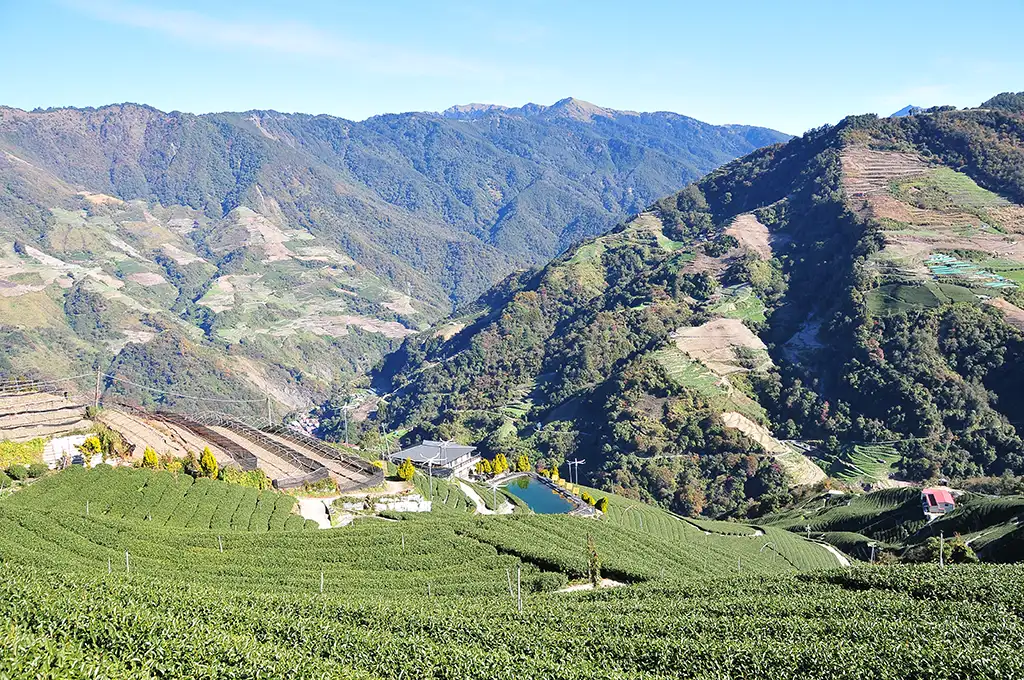
High mountain tea refers to tea leaves harvested and produced from tea gardens at altitudes above 1,000 meters. Because of the high growing altitude and slow harvest cycle, high mountain tea has a lower level of bitterness and astringency. Emerging in the 1980s, it has captivated Taiwan for over 20 years and has even become

Shopping Cart