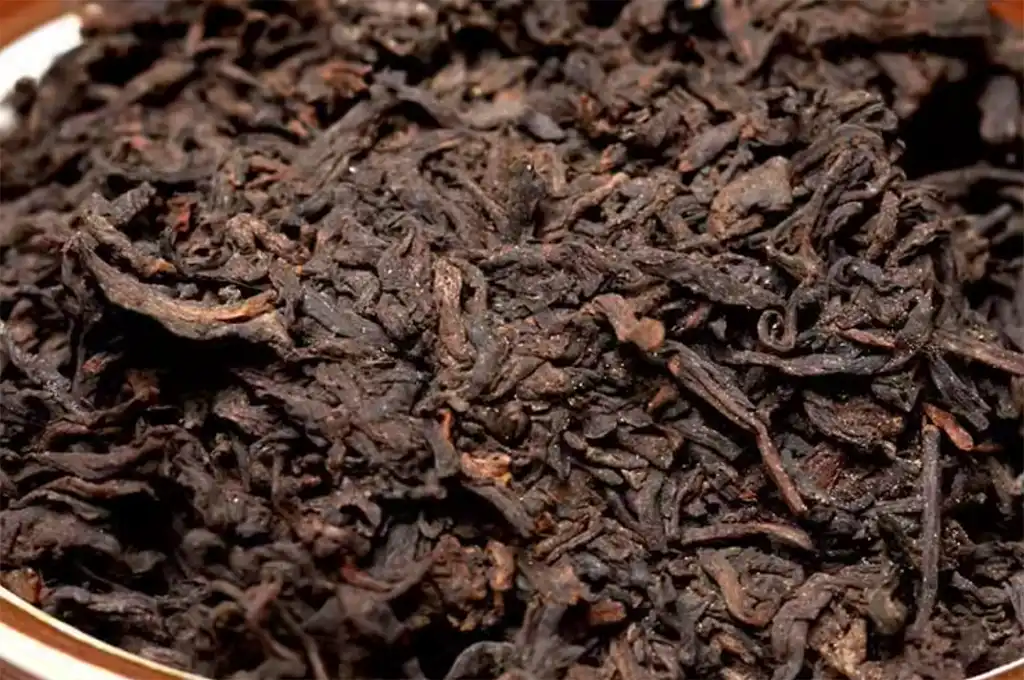
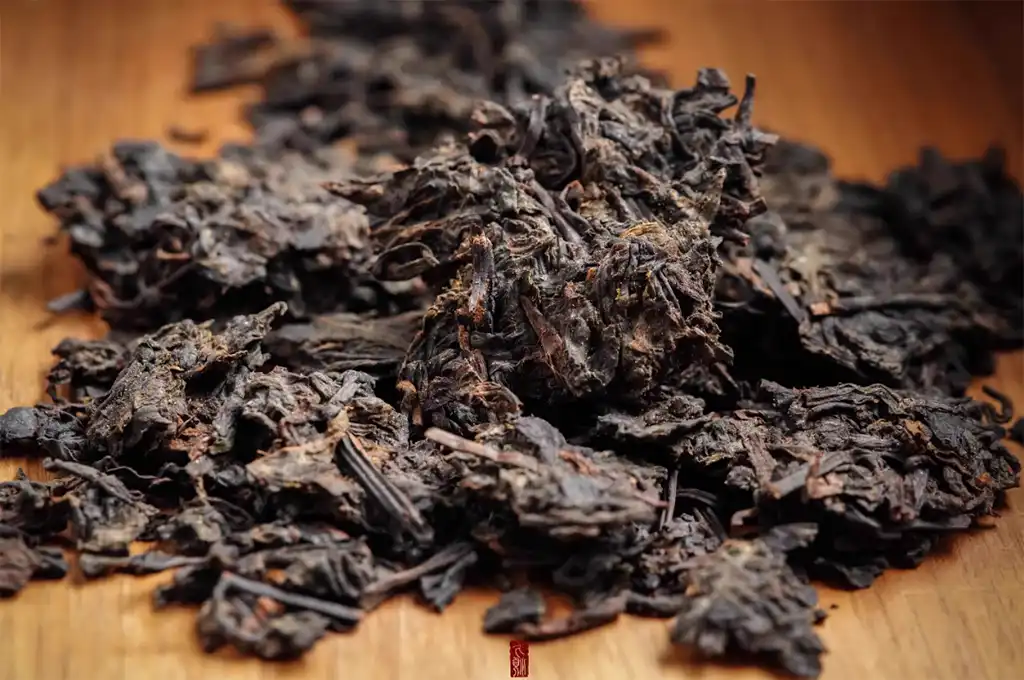
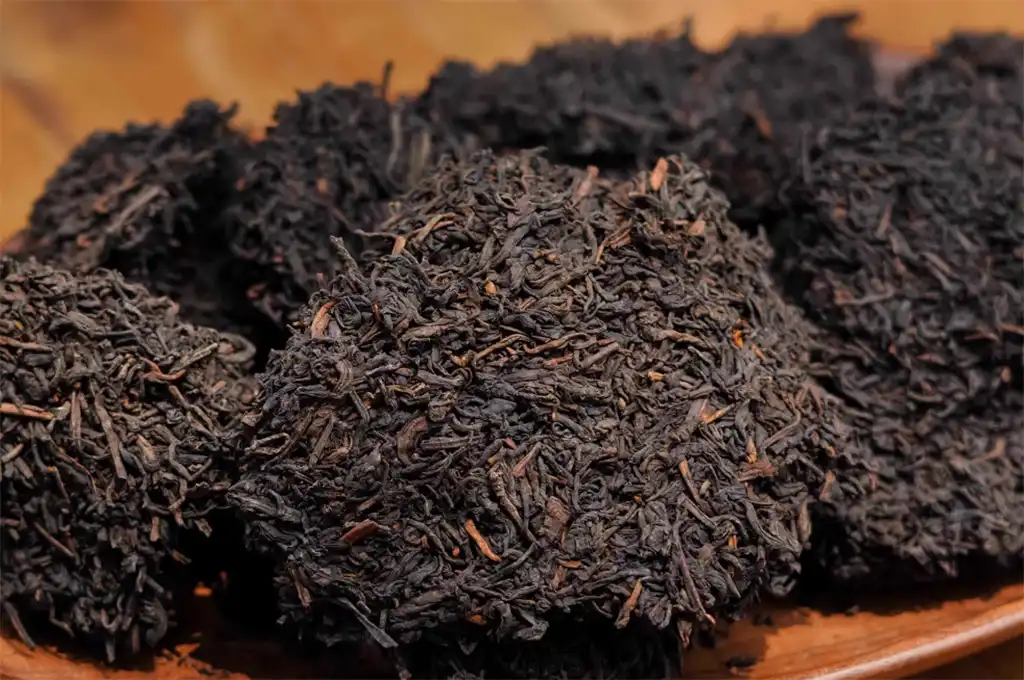
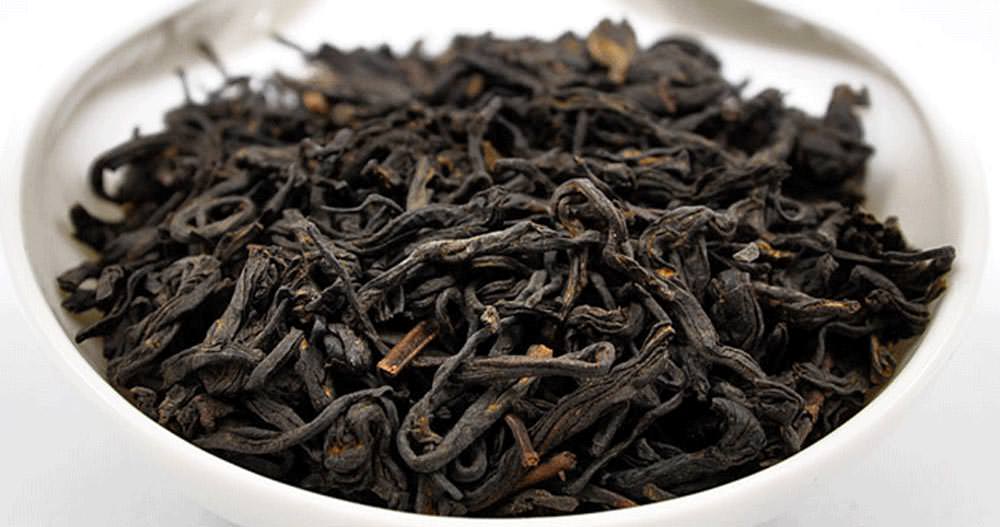
Guangxi Liubao Tea originates from Liubao Township, Cangwu County, Guangxi Province. Classified as a Chinese dark tea, Liubao Tea is primarily characterized by its unique betel nut aroma and aged fragrance. The longer it is stored, the higher its quality becomes, especially for Liubao teas featuring “golden flowers” (Eurotium cristatum) microbes.
Origin and History of Liubao Tea
The main production area of Liubao Tea is located in Liubao Town, Cangwu County in Guangxi Province. This has been a major tea-producing region since ancient times. As early as the Qing Dynasty, Liubao Tea was already being exported in large quantities, mainly to Southeast Asia. Because it was primarily intended for export, Liubao Tea was not as well-known within mainland China as Anhua dark tea or Pu-erh. After the 1950s, with the growing prosperity of dark tea production in the Liubao region, the quality of Liubao Tea gradually gained public recognition, and its fame slowly caught up with other dark teas.
Guangxi Liubao Tea Processing Craft
Liubao Tea traditionally uses bamboo basket packaging, which facilitates the post-fermentation of the tea leaves. After long-term aging, bamboo-basket-packaged Liubao Tea develops a more mellow taste, a deeper liquor color, and a more pronounced aged fragrance. Liubao Tea comes in various forms; while mostly loose leaf, it can also be pressed into tea cakes, brick tea, tuocha, and other formats.
Differences Between Liubao Tea and Pu-erh Tea
Although Liubao Tea and Pu-erh Tea both belong to the post-fermented tea category, the two have distinct differences in flavor and characteristics. The most iconic feature of Liubao Tea is its unique betel nut aroma, setting it apart from the aged fragrance and robust taste of Pu-erh. Additionally, the aging process of Liubao Tea inside bamboo baskets results in a brighter red liquor and a smoother, more mellow taste—characteristics that Pu-erh cannot replicate.
Quality Characteristics
Guangxi Liubao Tea features tightly knotted and heavy strands, a dark brown color, and a red-yellow liquor. When consumed, it is sweet, smooth, and mellow like aged amber or wine. The finest Liubao teas, especially those with “golden flowers,” are even considered by some to surpass Pu-erh in quality. In the market, these aged “golden flowers” Liubao teas hold extremely high value, with some sets priced in the tens of thousands of NT dollars.
Brewing Methods
Similar to general dark teas, it can be brewed, boiled, or prepared as a blended drink. For brewing, use 100°C mountain spring water, with a tea-to-water ratio of 1:25, and steep for about 3 minutes. For boiling, bring the water to a boil, use a tea-to-water ratio of 1:20, boil for 2 minutes, then strain and serve. For blended styles, you can add an appropriate amount of milk and salt to the boiled tea and adjust to taste.

Guangxi Liubao Tea stands out among Chinese dark teas for its unique flavor profile. Whether it’s the robust liquor or the distinct betel nut aroma, Liubao Tea is considered a top-tier dark tea by enthusiasts. Completely different from Pu-erh and Anhua dark teas, Liubao dark tea is definitely a must-try next time you get the chance.