
As one of China’s six major tea categories, white tea is renowned for its simple and natural production process. Over time, the quality and value of white tea undergo remarkable changes, making it highly prized among tea enthusiasts and collectors. The aging value of white tea is often described by the phrase “137 white tea,” which refers to “one-year tea, three-year medicine, seven-year treasure.” But what does this saying actually mean?
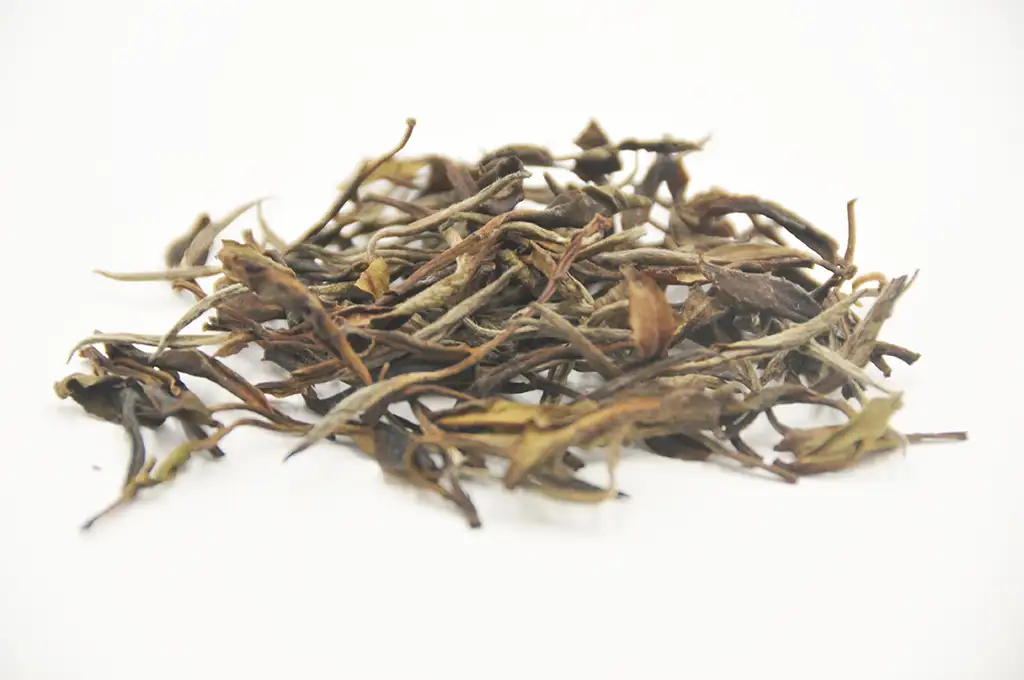
"One-Year Tea, Three-Year Medicine, Seven-Year Treasure": 137 White Tea
One-year tea: “One-year tea” refers to fresh white tea, typically consumed within a year of harvesting. At this stage, white tea features a fresh and delicate aroma with a clear, bright liquor in a pale golden or apricot yellow. It tastes crisp and sweet with distinct floral and fruity notes, making it the period that best showcases the original flavor profile of white tea.
Three-year medicine: “Three-year medicine” refers to white tea that has been aged for three years, during which its aroma and flavor profile undergo distinct changes. Over time, the chemical components within the tea leaves oxidize, resulting in a deeper liquor color, typically golden or orange-yellow. The aroma becomes more complex, carrying subtle medicinal and woody notes. At this stage, the white tea not only offers a richer flavor but is also believed to possess certain health-promoting properties.
Seven-year treasure: “Seven-year treasure” represents aged white tea that has been stored for seven years or more. White tea from this period is considered a precious treasure because, with extended aging, its aroma, taste, and nutritional value reach an optimal state. The liquor turns a deep golden or reddish-brown, and the aroma becomes complex and rich with a pronounced aged character. Because of its unique flavor and exceptional collectible value, aged white tea of seven years or more is treasured by tea enthusiasts.
The Deeper Meaning of 1-3-7 White Tea
The saying “One-year tea, three-year medicine, seven-year treasure” describes how white tea changes in character and value over time. However, no matter how it is stored, tea is still just tea. The main point is simply that it tastes good and is gentle on the body. As for it turning into “medicine” or a “treasure,” it is best taken with a grain of salt and not meant to be taken too literally.