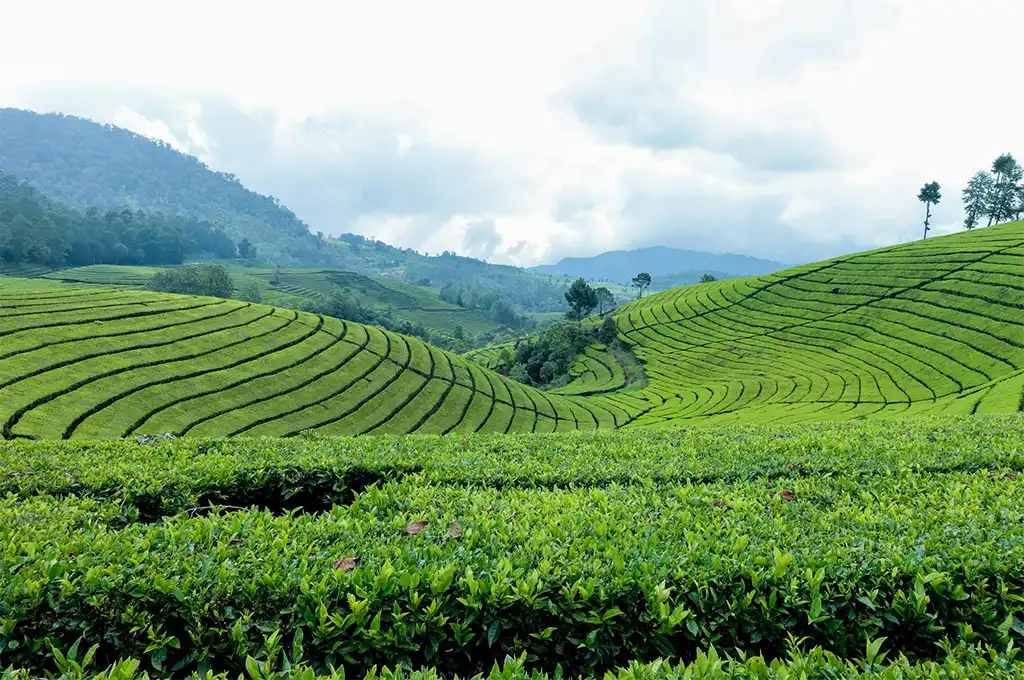
The caffeine content in tea leaves depends on the growing temperature, maturity of the tea leaves, and the processing methods. Generally speaking, higher growing temperatures, more tender leaves, and higher levels of oxidation and fermentation correspond to higher caffeine content. We have compiled the tea caffeine content chart below.
Tea Caffeine Content Chart
| Tea Type | Caffeine Content (mg/100ml) |
Notes |
|---|---|---|
| Green Tea | 8-30 mg | |
| White Tea | 10-35 mg | |
| Oolong Tea | 25-55 mg | |
| Wenshan Baozhong | 25-35 mg | |
| High Mountain Oolong Tea | 25-35 mg | |
| Dongding Oolong | 30-40 mg | |
| Oriental Beauty Tea | 40-55 mg | |
| Red Oolong | 40-55 mg | |
| Black Tea | 20-80 mg | |
| Pu-erh Tea | 2-40 mg | The longer the aging process, the lower the caffeine content. |
Please note that the caffeine content in a cup of tea is also related to the brewing method. Longer steeping times, larger leaf-to-water ratios, and higher water temperatures will result in higher amounts of caffeine extracted from the tea leaves.
Daily Caffeine Intake per Person
It is recommended to keep daily caffeine intake below 300 mg, which generally causes no negative health effects within this range. However, individuals with cardiovascular disease, arrhythmias, poor digestive function, chronic insomnia, as well as pregnant women and children, should still avoid or limit caffeine intake.