
What exactly is Sijichun green tea? First, we need to explain two concepts: “Sijichun” and “green tea” (Qingcha). “Sijichun” is a tea tree variety, while “green tea” refers to the tea-making method. Professionally, Qingcha is known as “partially fermented tea,” but it is more commonly and familiarly known as “oolong tea.” We have a more detailed explanation below.
Related link: Introduction to the Six Major Tea Categories
What is Sijichun Green Tea? - Beginner's Version
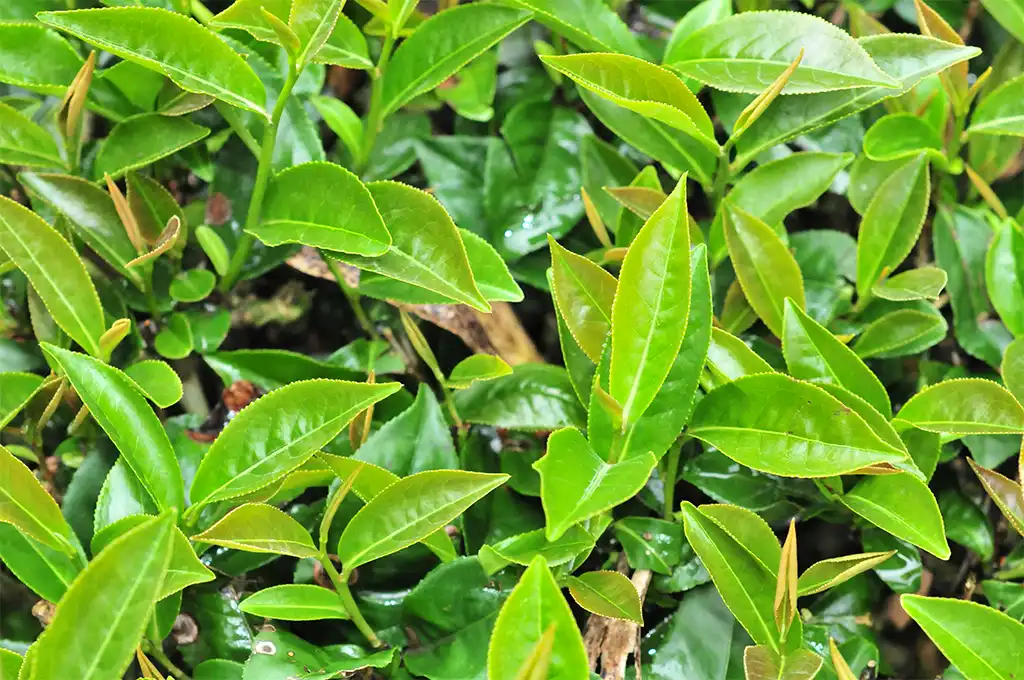
“Sijichun” refers to a tea tree cultivar whose leaves carry a subtle, delightful gardenia aroma.
“Oolong” (or Qingcha), on the other hand, refers to the tea-making method. Based on processing techniques, tea can be categorized into six major types: green tea, white tea, yellow tea, oolong tea, black tea, and dark tea. “Oolong tea” (Qingcha) is what we commonly refer to as oolong tea. The characteristic of oolong tea is that its degree of fermentation falls between green tea (unfermented) and black tea (fully fermented), making it a “semi-fermented tea.”
In short, Sijichun Oolong is “a semi-fermented tea made from Sijichun tea leaves.”
What kind of tea is Sijichun Oolong? - Advanced Edition
Although oolong tea is a semi-fermented tea, the category is very broad, ranging from lightly fermented Baozhong tea (with about 10% fermentation) to heavily fermented Oriental Beauty tea (with fermentation reaching up to 80%).
Additionally, after oolong tea production is complete, a “roasting” (bakghoe) process is sometimes applied. This is somewhat similar to coffee roasting, which imparts a roasted aroma to the tea leaves and creates a fuller, richer palate. Oolong teas that undergo roasting are typically called “roasted oolong” or “rich-aroma oolong,” while unroasted ones are called “floral-aroma oolong.”
As a result, you will find many variations of Sijichun Oolong on the market. The common “floral-aroma Sijichun Oolong” is usually lightly fermented and unroasted, whereas the “rich-aroma Sijichun Oolong” is a heavier fermentation style that has gone through roasting.
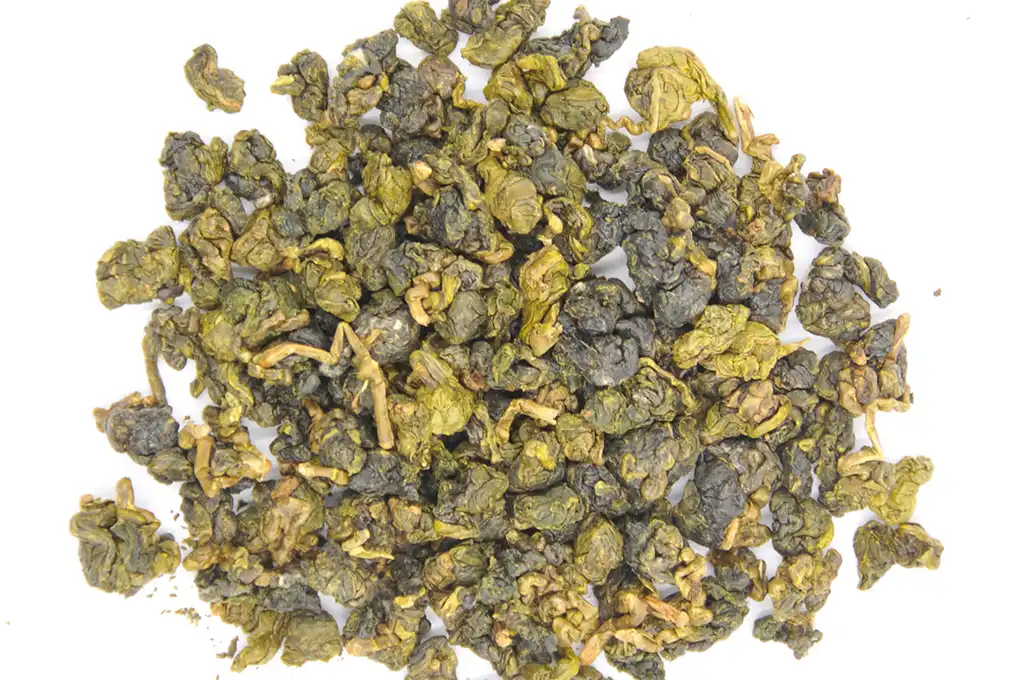
Available in our shop: Machine-Harvested Sijichun
Easily Brew Delicious Sijichun Oolong at Home
Sijichun Oolong is exceptionally delicious, but buying a cup of shaken beverage often costs NT$40 or NT$50, which can still add up for budget-conscious tea lovers drinking it daily. In reality, brewing Sijichun Oolong is very simple. Buying your own tea leaves brings the average cost per cup to under NT$5, and the quality far exceeds that of bubble tea shops (which often use lower-grade commercial tea). The Sijichun Oolong sold in our shop is crafted from the finest spring and winter harvests. All you tea lovers out there, come give it a try—we guarantee the quality is much better than what you get at a beverage shop!
Read More:
- What is Sijichun Tea? Why Has It Become Young People’s Favorite Tea?
- Sijichun Tea Is Not Just Delicious: These Benefits Will Make You Love It Even More!
- Is Sijichun a Green Tea? You Might Have Misconceptions About Tea Classification!
- Does Sijichun Tea Contain Caffeine?
- A Must-Read for Tea Drinkers: What Kind of Tea Is Sijichun Oolong?