The Annoying Moss on Tea Trees

An essential task in tea plantation management is “moss removal,” which means clearing away the moss growing on the tea trees. These parasitic plants steal nutrients from the tea trees; once the trees lack nutrients, the tea ends up tasting bland and watery. That’s why professional tea plantation managers treat moss removal as a top priority.

Moss on tea tree

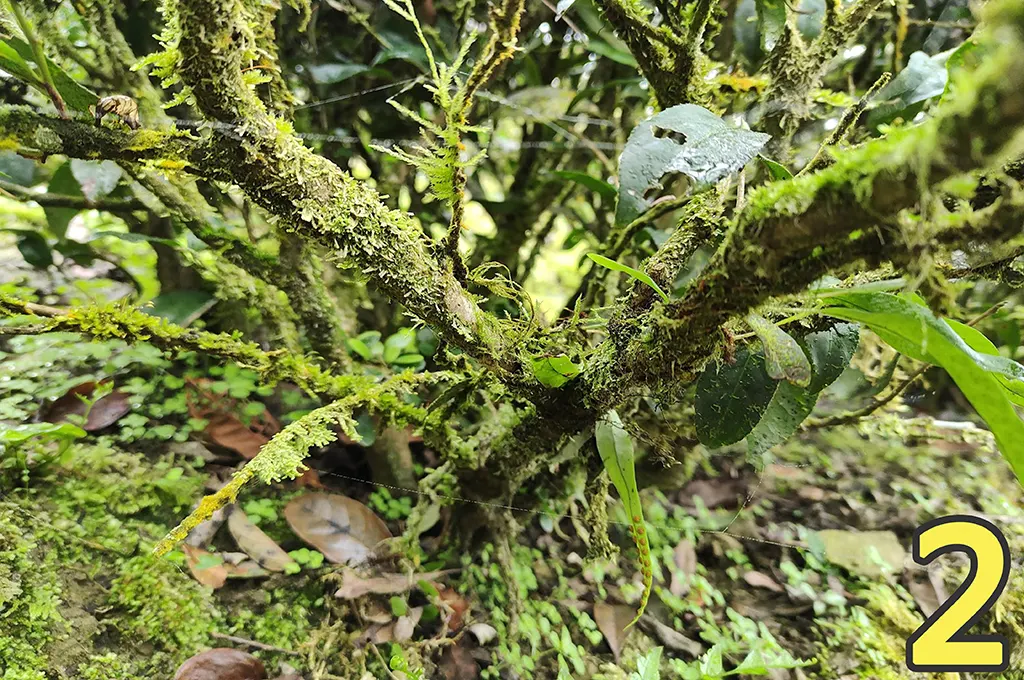
Removing moss is actually quite a hassle. The shop manager once heard a tea farmer say that clearing moss is their least favorite management chore. Whether pulling it by hand or spraying it off with a high-pressure washer, it’s a lot of trouble, and moss attached to the base of the tea trees is notoriously difficult to deal with. By comparison, fertilizing and weeding are a breeze. Some managers get lazy and skip it when it feels too troublesome, and the result is an entire tea tree covered in fuzzy moss (Figure 2).

Moss on tea tree

The tea farmers the shop manager knows remove moss twice a year: once during the summer pruning right after the spring harvest, when there are fewer branches and leaves, making the work easier; and the second time in November and December, after the winter harvest. Generally speaking, cleaning it once or twice a year is enough. However, older tea trees (whose older branches are more prone to parasitism) and tea gardens that are damp, shady, and poorly ventilated are especially prone to moss growth, sometimes requiring cleaning three or more times a year.

Moss on tea tree

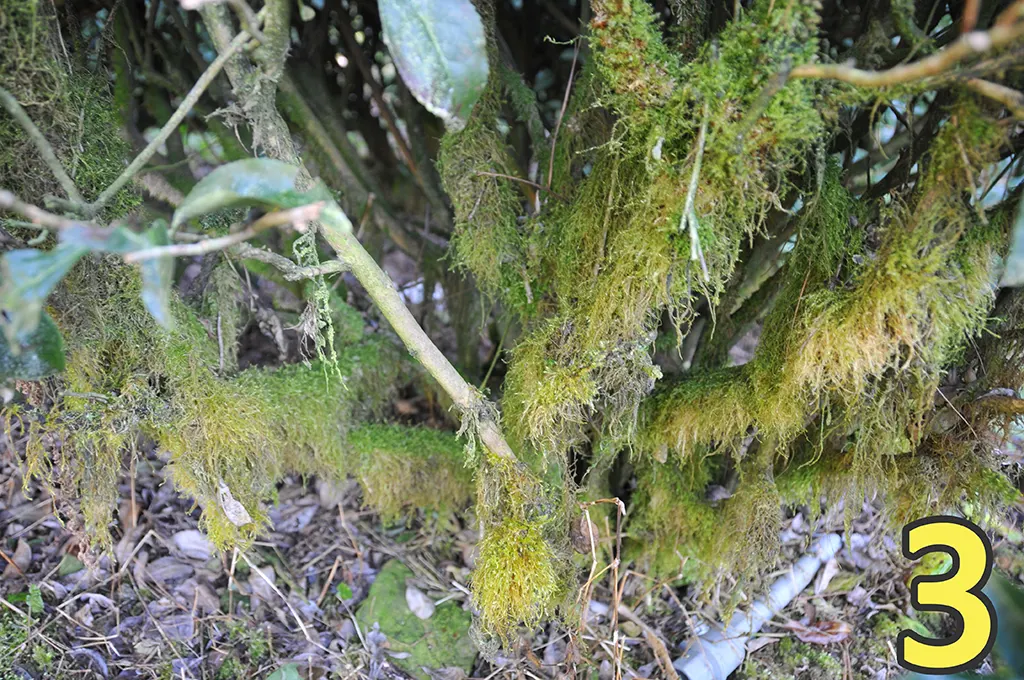
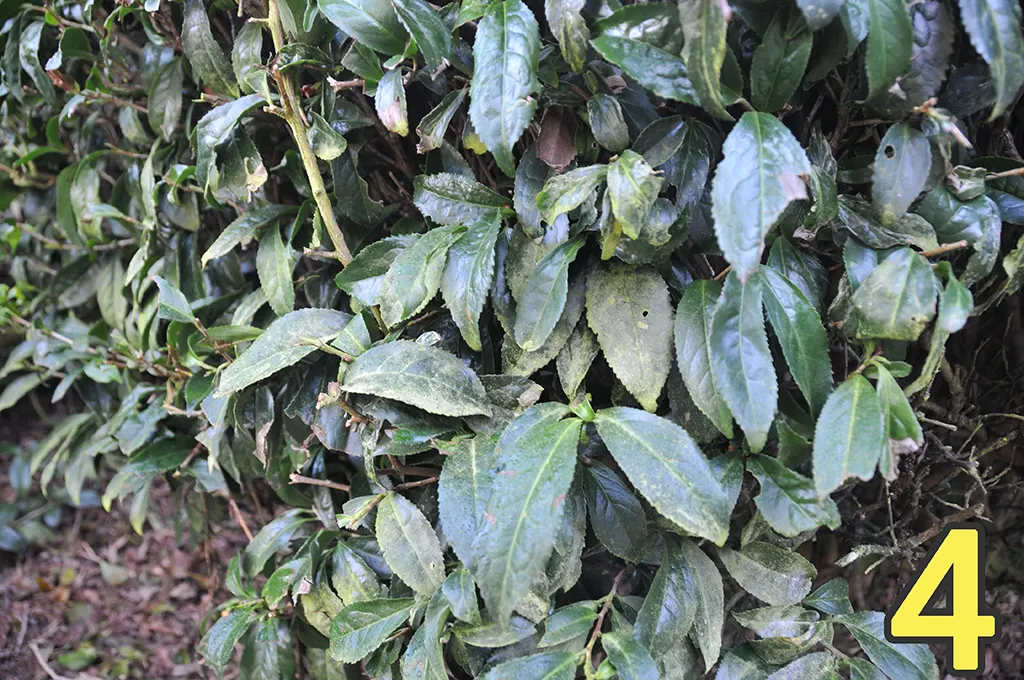
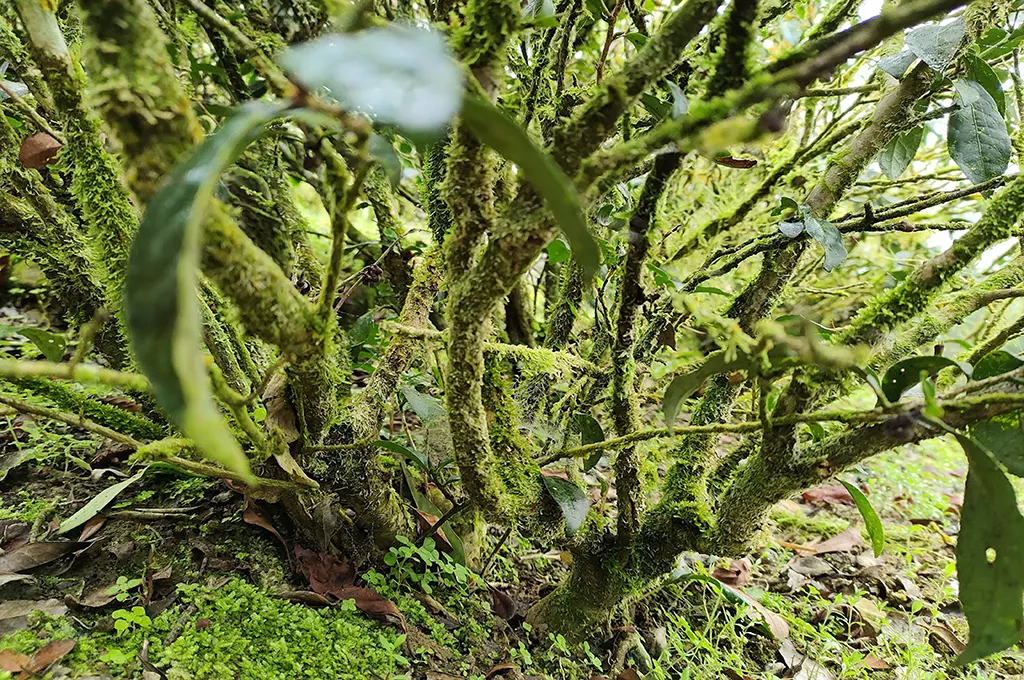
Many tea farmers don’t pay much attention to this task—perhaps because the workload is too heavy or they feel the effort yields little return, so they only clean it every year or two. Even in high-priced tea regions like Lishan, many plantations neglect this work. Figure 3 shows a tea plantation in Lishan at an altitude of over 2,000 meters, where the entire tea tree is covered in moss and ferns, with moss even growing on the leaves (Figure 4). You can easily imagine what the quality must be like.

Moss on tea tree

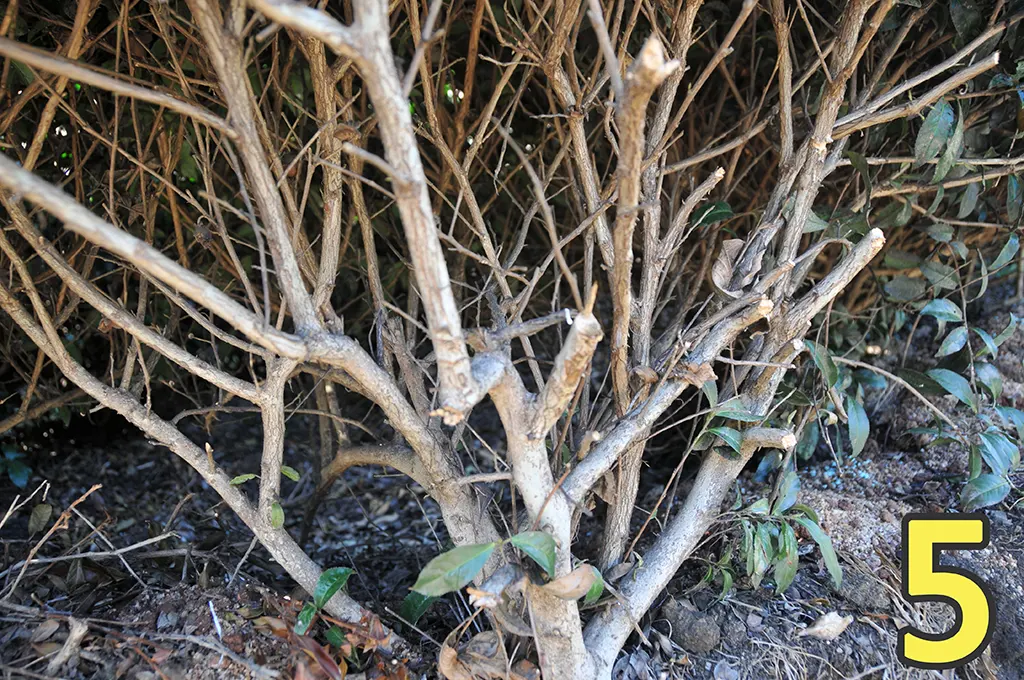
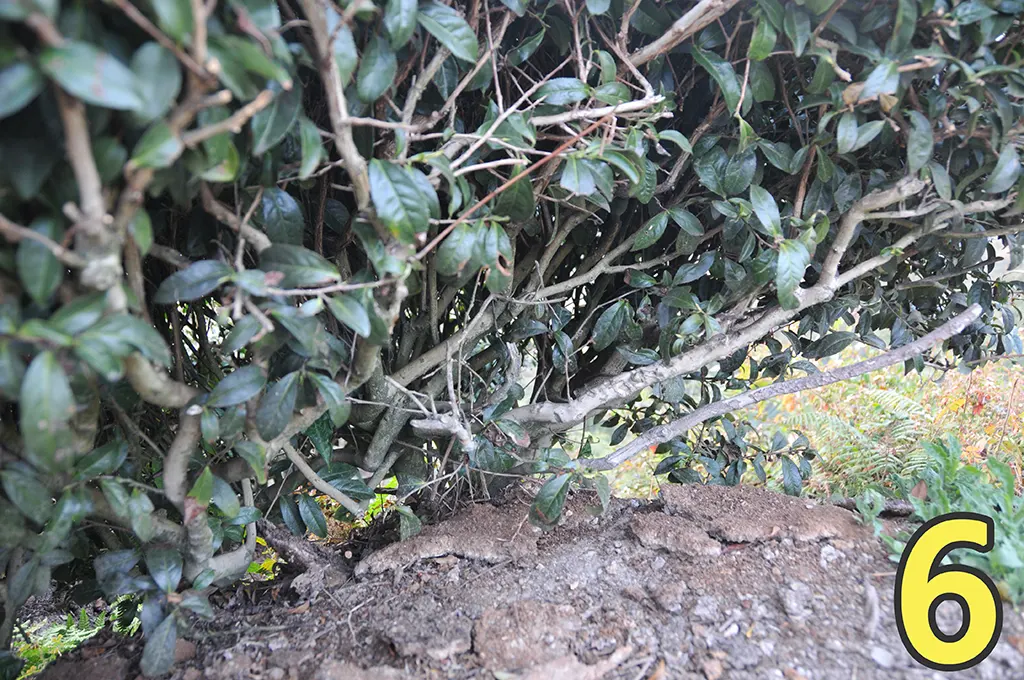
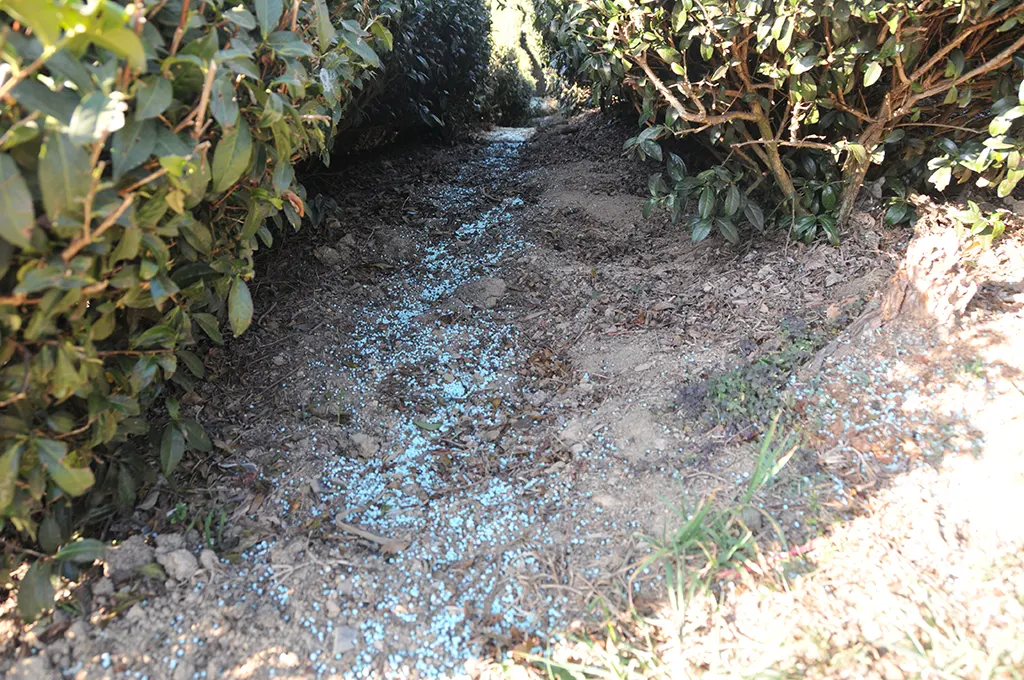
Don’t underestimate the impact of moss on tea quality—it makes a huge difference. Take a look at Figures 2, 3, and 4: with the moss and fuzz growing so lushly, all the nutrients from the fertilizer get eaten up, so it would be a miracle for the tea to taste good. Figures 5 and 6 show tea plants that have had their moss regularly cleared; they look like they’d brew a much better cup, right?

Moss on tea tree
Moss on tea tree

Note 1: Regular medium and deep pruning is an effective way to prevent moss. After pruning, improved airflow and sunlight reaching the base of the plant help block the spread of moss, which is why summer pruning is a huge help to tea quality.

Note 2: Because large-leaf black teas and Pu-erh teas have very strong flavor profiles, having moss absorb some of the nutrients can mellow out the brew and make it less harsh. As a result, some tea farmers intentionally let moss grow on these tea trees. High mountain oolong teas, however, are typically mild-tasting small-leaf varieties, so this practice isn’t used for them.

Note 3: Some tea farmers use fire, or high-pressure water jets combined with mineral oil, to remove moss, but scraping it off by hand remains the most common method.

Moss on tea tree

Leave a Comment

Your email address will not be published. Required fields are marked *

This site is protected by reCAPTCHA and the Google Privacy Policy and Terms of Service apply.

The reCAPTCHA verification period has expired. Please reload the page.

Shopping Cart