
In recent years, white tea has been gaining popularity in Taiwan again, leaving many curious about how Taiwanese white tea processing differs from Fujian’s. The processing methods for Taiwanese and Fujian white teas are largely similar; the distinct flavors mainly stem from differences in tea cultivars, seasons, and local climate. Here is an overview of how Taiwanese white tea is processed:
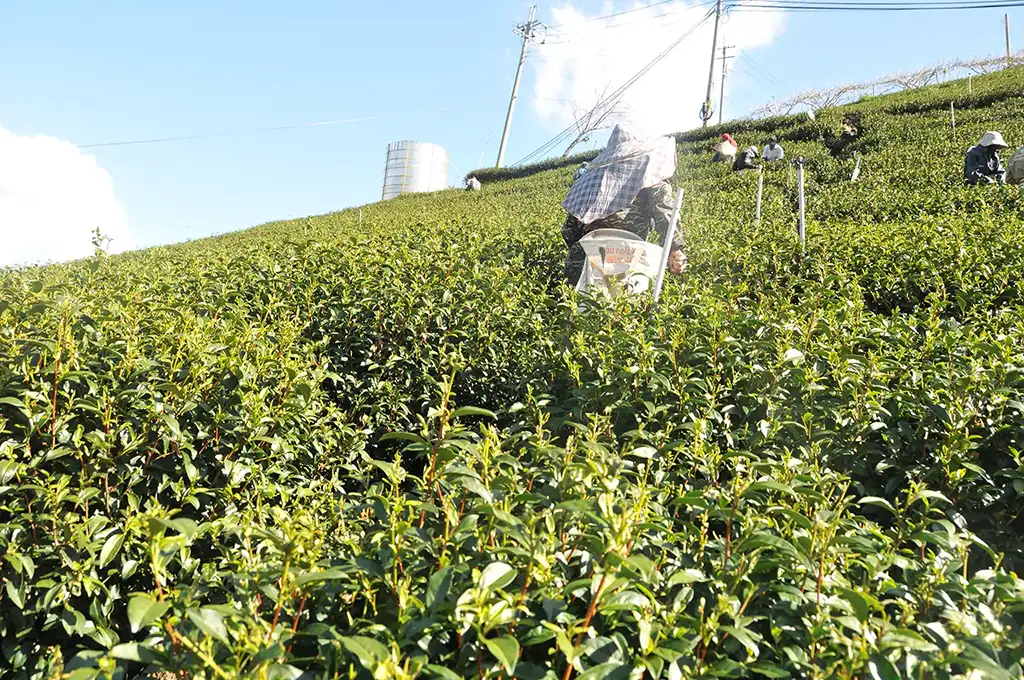
Taiwanese White Tea Processing
| Harvesting | Harvesting standards are similar to Fujian, producing Silver Needle (rare), White Peony (less common), and Gongmei/Shoumei (most common). The main teas produced are White Peony from tender one-bud-and-two-leaf flushes and Gongmei from mature one-bud-and-two-leaf flushes. |
| Withering | Withering is similar to Fujian, with the main variable being duration. Depending on the fresh leaves and the tea maker, withering can range from 24 to 72 hours. Some teas undergo light outdoor sun-withering under shade netting, while others are withered directly indoors. During this process, the leaves are gently turned over without vigorous tossing or bruising. |
| Drying | After withering, drying begins based on the condition of the leaves. It is generally done at 80°C to 100°C for 30 to 60 minutes. Some tea makers perform drying in multiple stages to reduce the moisture content to 3%–5%, until the leaves can be easily crushed between your fingers. |
| Storage | Like Fujian white tea, Taiwanese white tea improves with age, making proper storage crucial. It is typically sealed in opaque bags without vacuum packaging. Generally, aging for just one year yields excellent quality. |
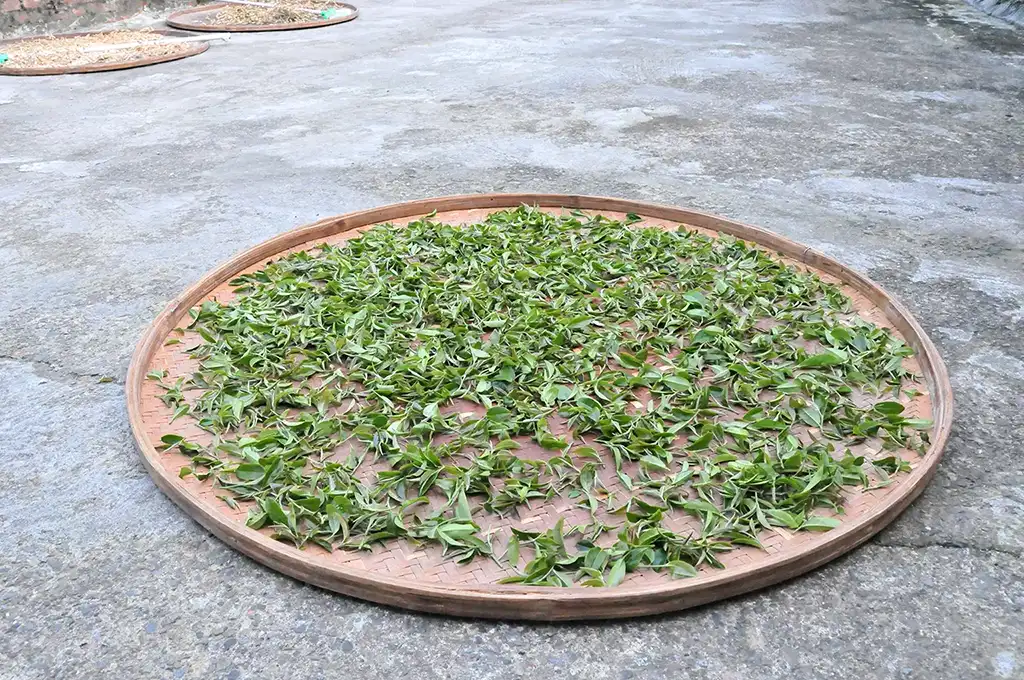
Taiwan White Tea Key Craft Step 1: Withering Time Determines Quality
Withering is the most crucial step in crafting Taiwanese white tea. The duration of withering directly dictates the tea’s final quality. During this stage, the leaves are only gently turned over without vigorous tossing. Tea makers evaluate leaf quality and moisture content to determine the precise withering duration. Typically, this lasts 24 to 48 hours, though some extend it up to 72 hours.
Taiwan White Tea Key Craft Step 2: Storage Elevates Quality
Unlike other tea types, properly stored white tea evolves over time, developing a smoother and mellower flavor. Taiwanese white tea is usually kept in a cool, dry environment. Some tea enthusiasts even age white tea for several years, allowing the aroma to transform into deeper honey and woody notes. Proper storage conditions allow Taiwanese white tea to reveal even finer flavor profiles through the test of time.