Bailu tea and Hanlu tea are named after the traditional solar terms during which they are harvested—specifically around the Bailu solar term (White Dew, around September 8–9) and the Hanlu solar term (Cold Dew, around October 8–9). In China, both Bailu and Hanlu teas are generally classified as autumn teas. Here are their key characteristics:
Characteristics of Bailu Tea and Hanlu Tea
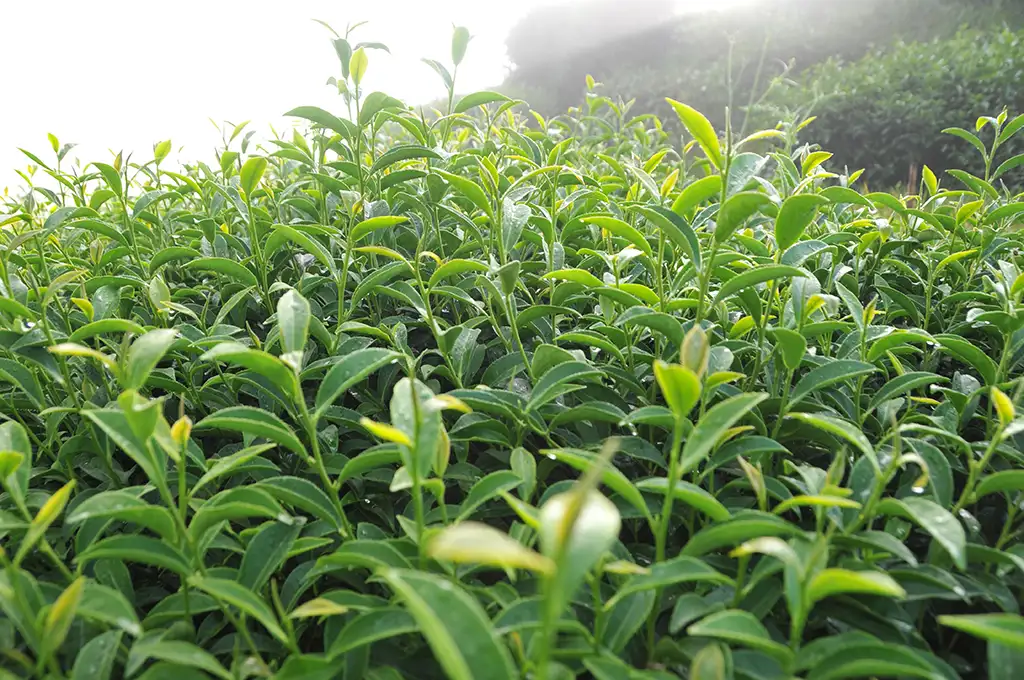
Bailu Tea: Refers to autumn tea harvested around the Bailu (White Dew) solar term. As temperatures begin to drop, the tea leaves grow more slowly than in summer. As a result, bitterness and astringency decrease, beneficial compounds accumulate, and the tea liquor develops a smoother aroma. (Pictured above: Bailu Tea)
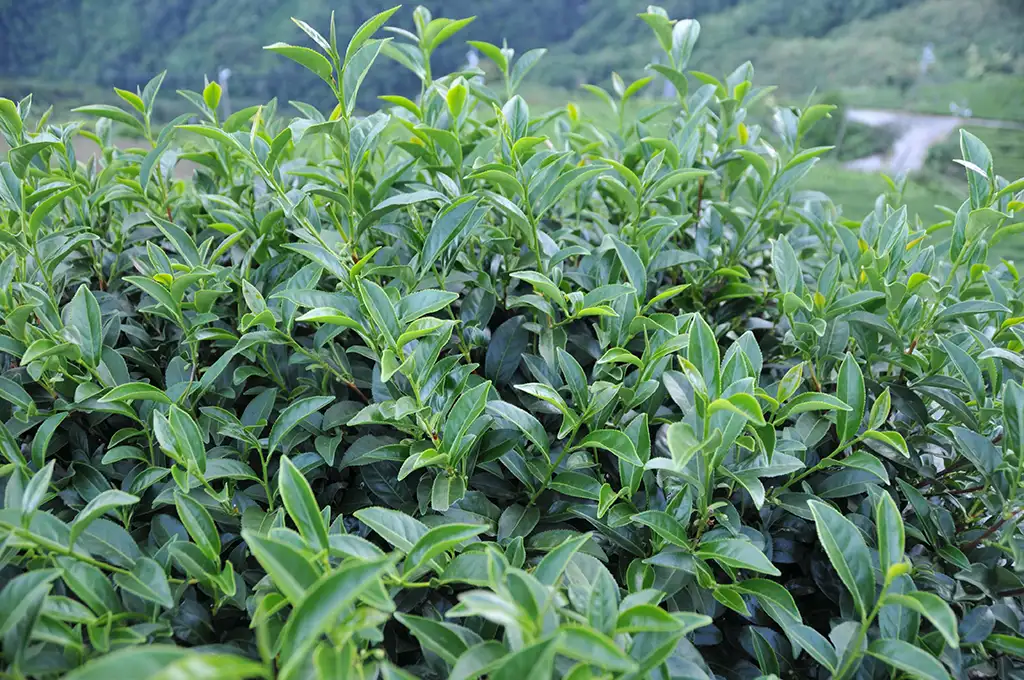
Hanlu Tea: Refers to tea harvested around the Hanlu (Cold Dew) solar term, harvested later than Bailu tea. Because the weather is cooler, the tea bushes grow even slower and store more nutrients, giving the tea a richer, smoother, and more refined taste with a noticeably sweeter finish than Bailu tea. (Pictured below: Hanlu Tea)

Bailu Tea vs. Hanlu Tea: Which Is Better?
Not necessarily—it depends on which type of tea you are making. Temperatures during Bailu (White Dew) are relatively higher than during Hanlu (Cold Dew), so the tea leaves still contain higher levels of bitterness and astringency, making them great for producing Oriental Beauty and black tea. By Hanlu, the cooler temperatures make the leaves more suitable for lightly oxidized Oolongs and white tea.
In Taiwan, the terms “Bailu tea” and “Hanlu tea” are rarely used—they are generally all referred to as autumn tea. Taking Taiwan’s most common Oolong tea as an example, tea harvested between Bailu and Hanlu is second in quality only to spring and winter teas. It is relatively affordable and lacks the heavy bitterness of summer tea, making it a great option that balances quality and value.