Tea Seasons

Tea harvesting season

Tea Harvest Seasons: When Spring, Summer, Autumn, and Winter Teas Are Harvested

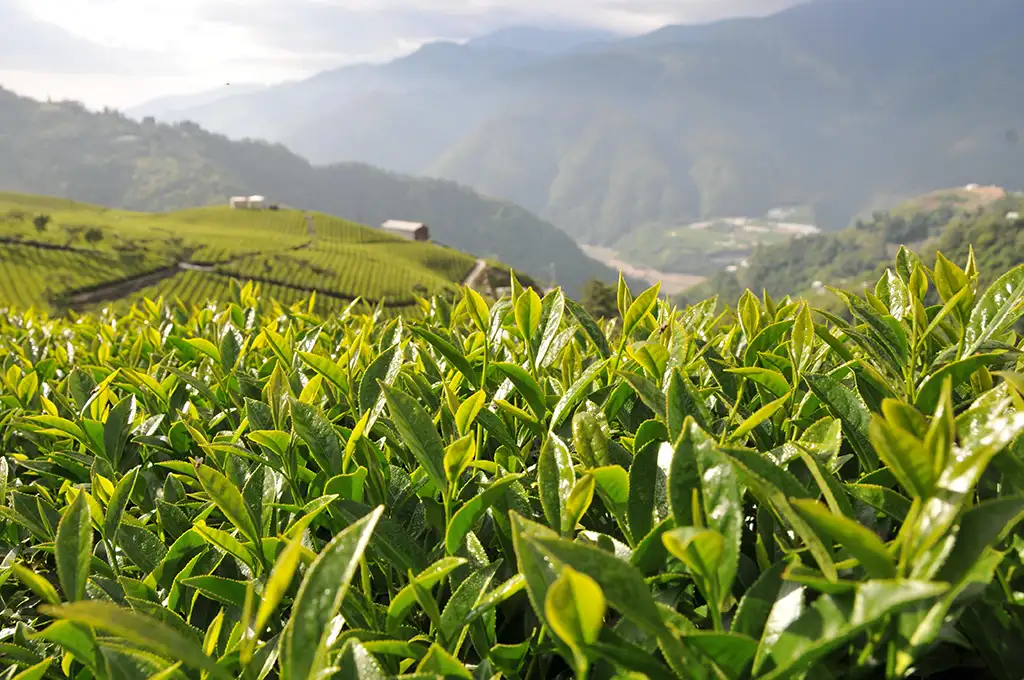
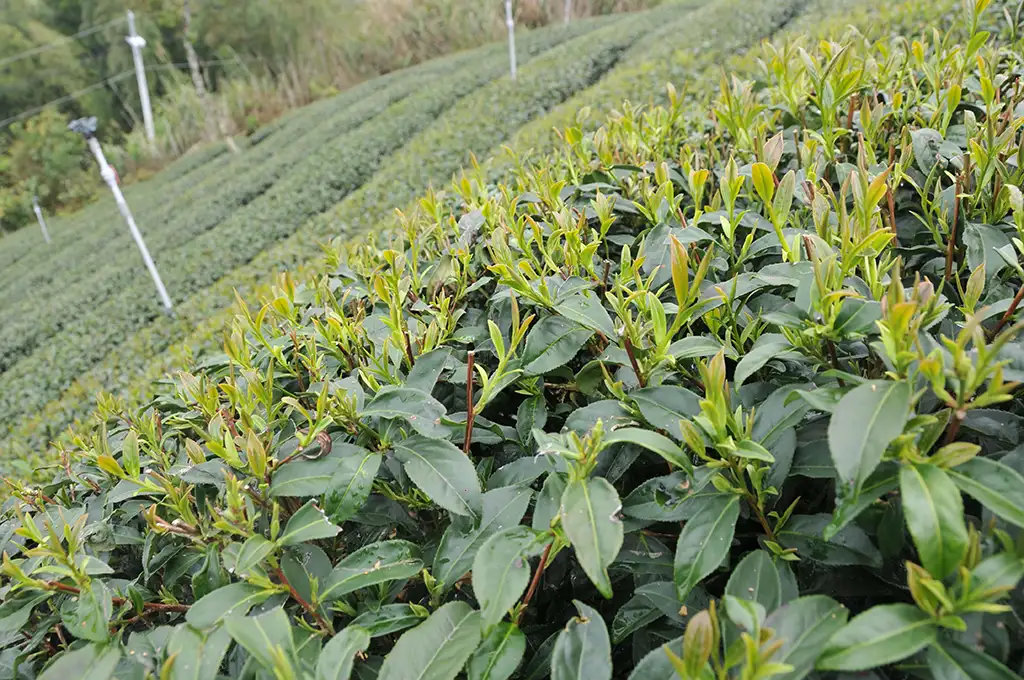
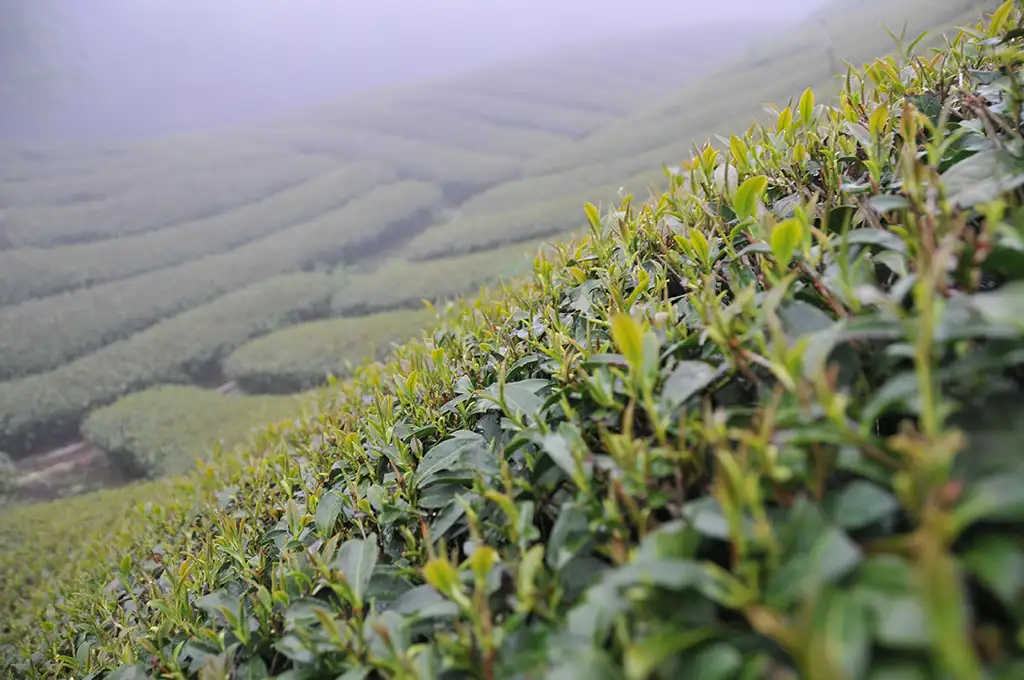
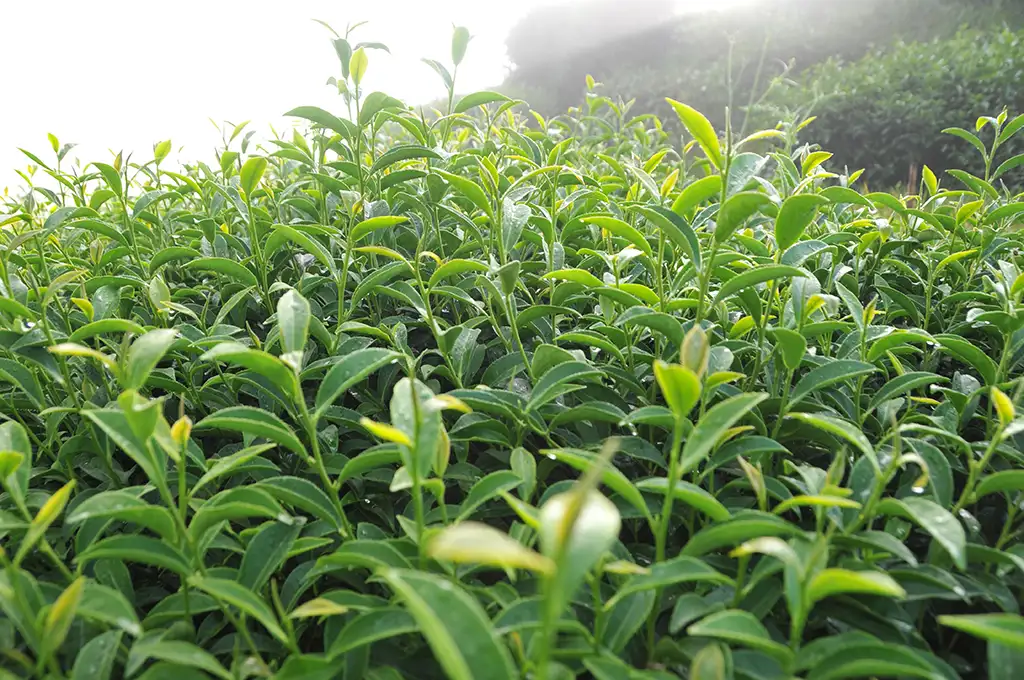
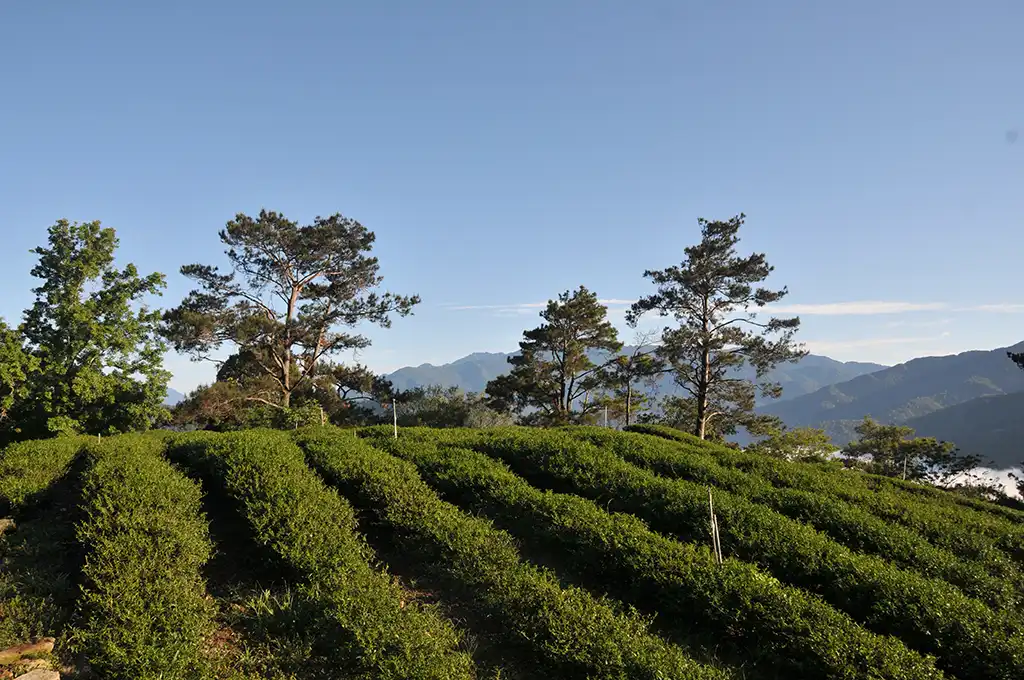
Taiwanese tea harvest seasons are generally divided into four distinct periods corresponding to the four seasons: spring, summer, autumn, and winter. These harvest periods are primarily determined by the traditional Twenty-Four Solar Terms. Historically, tea harvested in each period was named after the corresponding solar term. The timing of the harvest has a massive impact
Difference between high mountain winter tea and spring tea

Difference Between High Mountain Winter Tea and Spring Tea: Which Is Better?

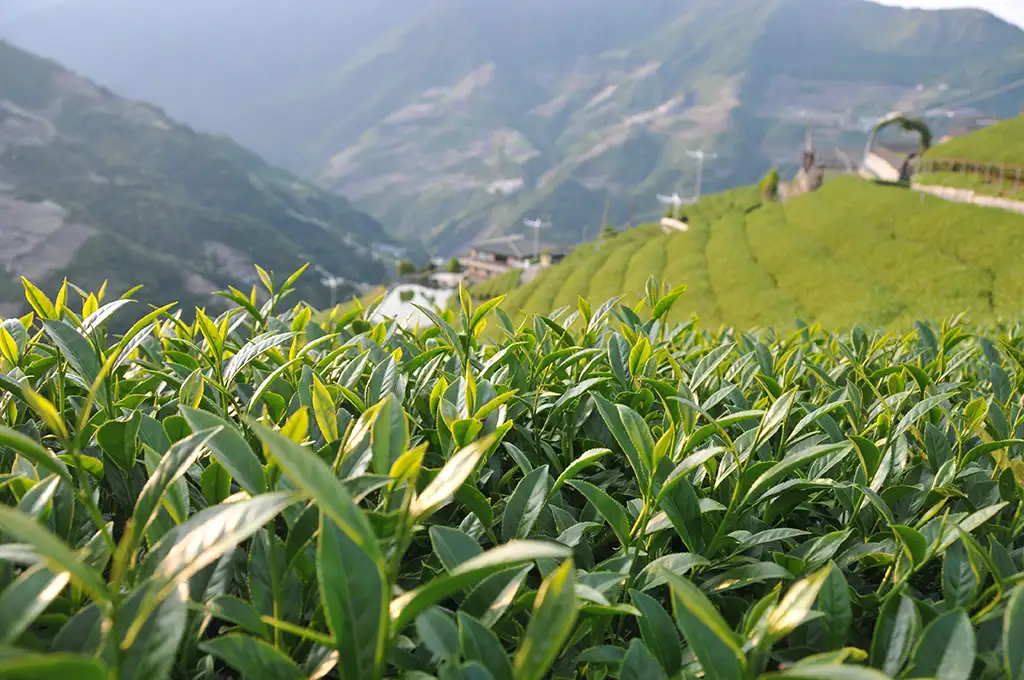
Winter tea and spring tea are the two seasons yielding the finest quality among Taiwan’s high mountain oolong teas. Due to variations in daylight hours, monsoons, temperature, and rainfall, these two seasons showcase distinct flavor profiles and qualities. So, what exactly is the difference between winter tea and spring tea? For tea lovers, is spring

Tea harvest seasons

Tea Seasons

Everything about tea seasons, including spring tea, summer tea, autumn tea, winter tea, Winter Sprout Oolong, and Bu-Zhi-Chun. Tea Seasons Difference Between High Mountain Winter Tea and Spring Tea For tea lovers, is winter tea or spring tea better? This article explores the differences between high mountain winter tea and spring tea. Winter Tea Release

Pre-Qingming Tea, Pre-Grain Rain Tea, and Grain Rain Tea

Spring Tea Explained: What’s the Difference Between Mingqian, Yuqian, and Guyu Tea?

Spring is widely regarded as the finest season for tea harvesting. Spring teas can be categorized into “Mingqian tea,” “Yuqian tea,” and “Guyu tea.” Each offers distinct harvesting periods, quality levels, and flavor profiles. So, what exactly sets them apart? Mingqian Tea: Rare, Highly Prized, and Limited Yield “Mingqian tea” (Pre-Qingming tea) refers to tea

What are White Dew tea and Cold Dew tea?

What Are Bailu Tea and Hanlu Tea? Characteristics & Features

Bailu tea and Hanlu tea are named after the traditional solar terms during which they are harvested—specifically around the Bailu solar term (White Dew, around September 8–9) and the Hanlu solar term (Cold Dew, around October 8–9). In China, both Bailu and Hanlu teas are generally classified as autumn teas. Here are their key characteristics:

Shopping Cart