
The tea harvest season in Taiwan is generally divided into four seasons: spring, summer, autumn, and winter. These harvest periods are primarily determined by the 24 solar terms, meaning that in the past, tea harvested during each period was named after the corresponding solar term. The timing of the harvest has a profound impact on tea quality and price, making it a critical consideration for every farmer. Below is the breakdown of the various tea harvest times and their corresponding solar terms.
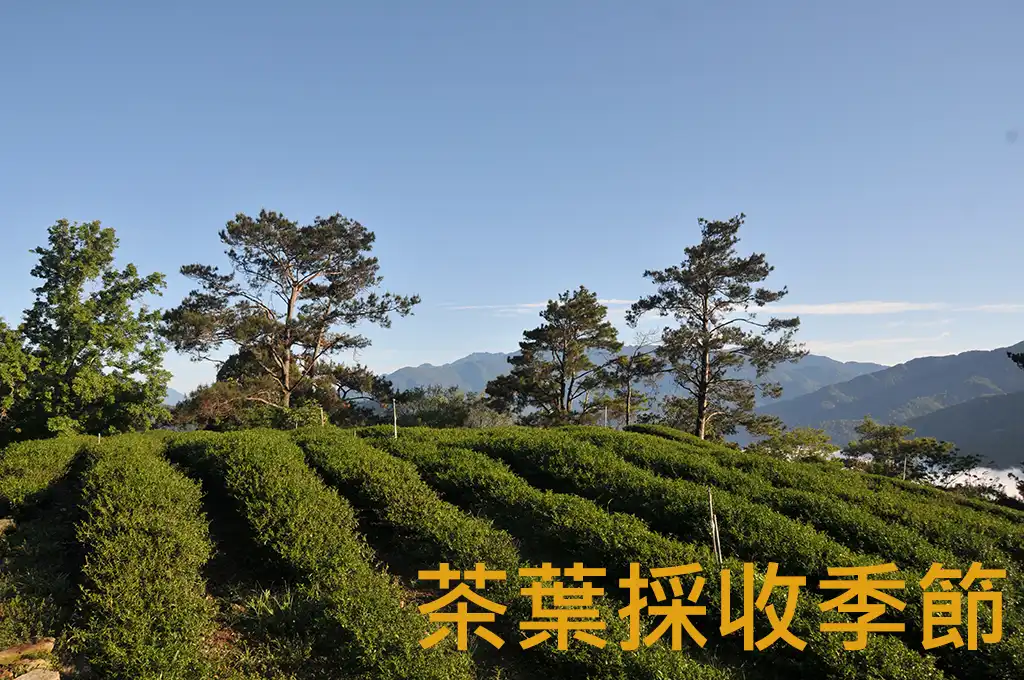
Tea Harvest Season
✅ Spring Tea: The spring tea harvest mainly takes place between Qingming and Grain Rain, roughly from April 4 to April 20 in the Gregorian calendar. Spring tea surpasses all other seasons in both yield and quality, making it the most important harvest of the year for farmers. Because Taiwan is located further south, some low-elevation spring teas are harvested even earlier, before Qingming. For Taiwanese high mountain tea, due to the high-elevation climate, the harvest is sometimes delayed until the start of Summer.
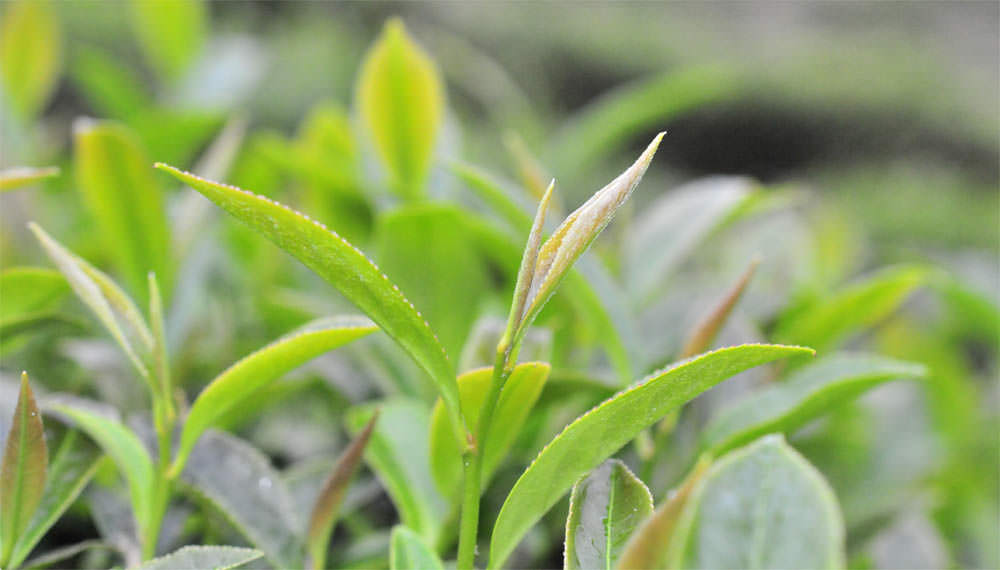
▲ Spring tea yields the highest volume and most stable quality of the year.
✅ Summer Tea: The summer tea harvest begins around the Start of Summer, which falls roughly around May 6 on the Gregorian calendar. Tea harvested before the Start of Summer can still be called spring tea, but tea harvested after it is considered summer tea. The Start of Summer period is the optimal time for harvesting Oriental Beauty tea. The second summer harvest occurs during Minor Heat and Major Heat, roughly from early July to mid-August. Tea leaves harvested during this period are of poor quality for making oolong tea, but they serve as premium raw materials for black tea.
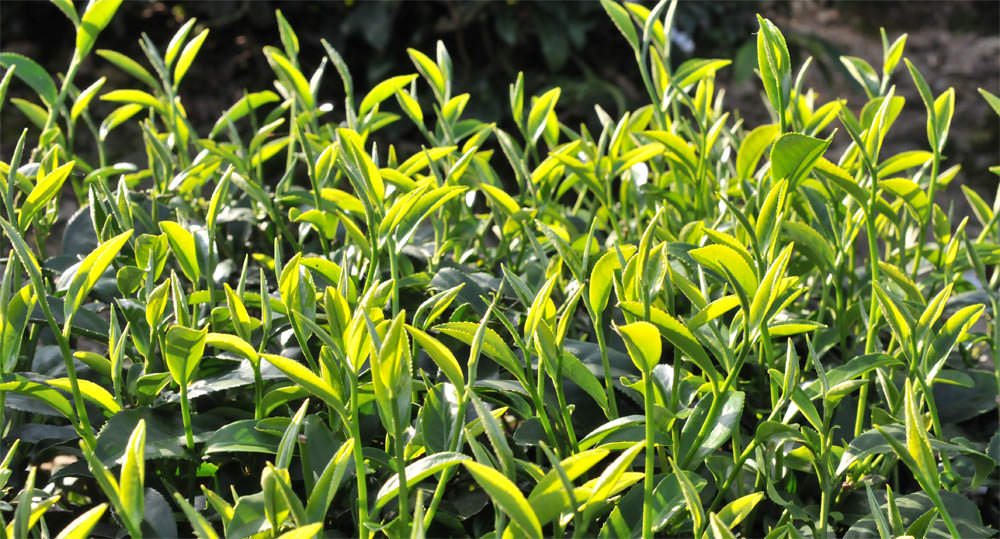
▲ Summer tea is ideal for making Oriental Beauty tea and black tea.
✅ Autumn Tea: Autumn tea can also be harvested twice. The first harvest occurs around the Start of Autumn, roughly from late August to mid-September. The second harvest takes place around White Dew, roughly from late September to late October. Tea harvested around the Start of Autumn still carries the characteristics of summer tea and is best used for making black tea. White Dew tea, on the other hand, gradually becomes suitable for making oolong tea, and when the weather permits, its quality can approach that of spring tea.
✅ Winter Tea: The winter tea harvest begins around the Start of Winter, which falls near November 7 on the Gregorian calendar. At this time, the weather turns cooler and the intense heat gradually fades, resulting in quality comparable to spring tea. Spring and winter are the ideal harvest seasons for making oolong tea. Generally, winter tea is harvested only once, but during particularly warm winters, low- to mid-elevation regions may yield a second harvest around the Winter Solstice, which is roughly around December 22.
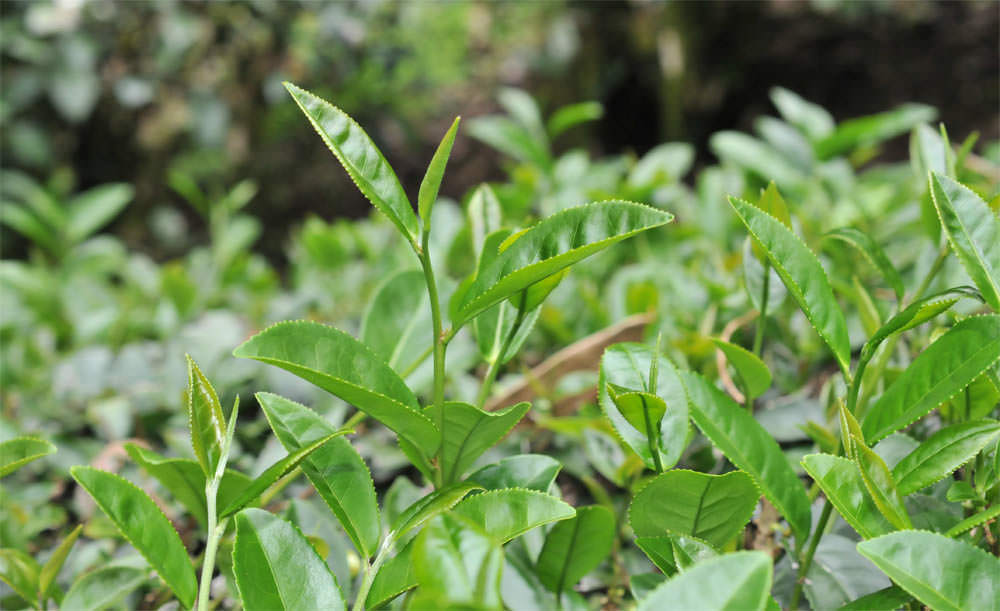
▲ Winter tea is of exceptional quality, though production is relatively low.
Traditionally, tea harvest seasons were divided primarily according to the 24 solar terms. Originating from mainland China—a vast territory where these divisions were tailored mainly to the central and northern regions—they differ somewhat from Taiwan’s climatic conditions. Consequently, the harvest periods for Taiwanese tea vary depending on the region and elevation. For example, in lowland tea districts such as Pinglin, Mingjian, and Lugu, spring tea harvesting begins as early as late March. However, in high-elevation tea regions like Dayuling and Lishan, harvesting may not begin until mid-June at the latest. Even though mid-June falls around Grain Buds and Summer Solstice, the Dayuling tea harvested at this time is still considered spring tea.