
In the world of Japanese tea, Gyokuro green tea is widely regarded as the most prestigious variety. Renowned for its silky texture, rich umami flavor, and meticulous production process, it is traditionally served to guests or saved for special occasions. Gyokuro tea gardens require specialized cultivation and shading techniques to produce tender young shoots packed with distinct, refined flavor.
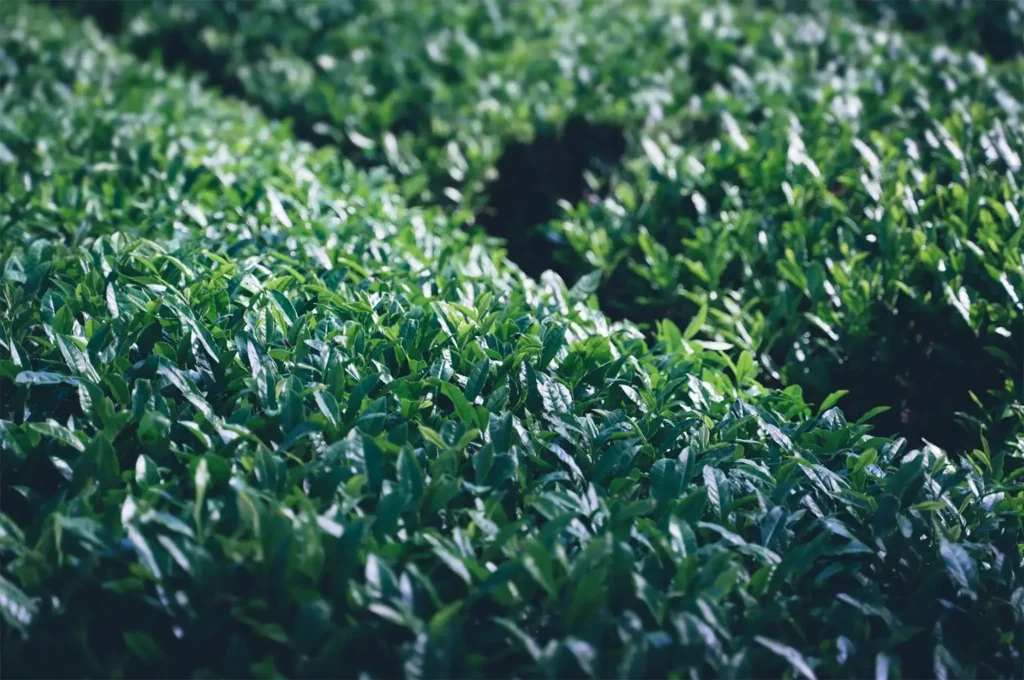
Gyokuro Green Tea — The Highest Grade of Japanese Tea
Gyokuro is considered the highest grade of Japanese green tea. Unlike standard green teas, its production is exceptionally delicate and complex. Once two to three young shoots appear, the tea bushes are shaded for about 20 days using straw mats or dark cloth mesh to block direct sunlight. This shade-growing technique boosts sweetness and aroma while significantly reducing astringency. Compared to Sencha, Gyokuro offers a smoother, sweeter profile with a deep, rich umami and a vibrant emerald liquor—making it the most luxurious tea in Japan.
Origins and Varieties of Gyokuro Tea
| Uji | Uji, located near Kyoto, is the quintessential origin of Gyokuro. Its ideal climate and rich soil yield tea leaves of exceptional quality. Uji Gyokuro is world-renowned among tea lovers. |
| Shizuoka | Shizuoka Gyokuro yields a clear brew with a pleasantly sweet flavor, highly prized by green tea enthusiasts everywhere. |
| Kagoshima | Kagoshima Gyokuro offers a richer, bolder flavor profile, perfect for those who enjoy a fuller tea experience. |
Production Process
| Shaded Cultivation | About three weeks before harvest, the tea bushes are shaded from direct sunlight. This allows the leaves to concentrate nutrients, boosting umami and natural sweetness while reducing bitterness. |
| Harvesting | Young buds are harvested as raw material, with spring tea leaves yielding the finest quality. |
| Steaming | Unlike pan-fired green teas from Taiwan and China, Gyokuro is steamed to preserve a brighter color and fresh flavor profile. |
| Rolling and Drying | After steaming, the leaves are gently rolled to evenly distribute natural juices, then dried at precise temperatures. |
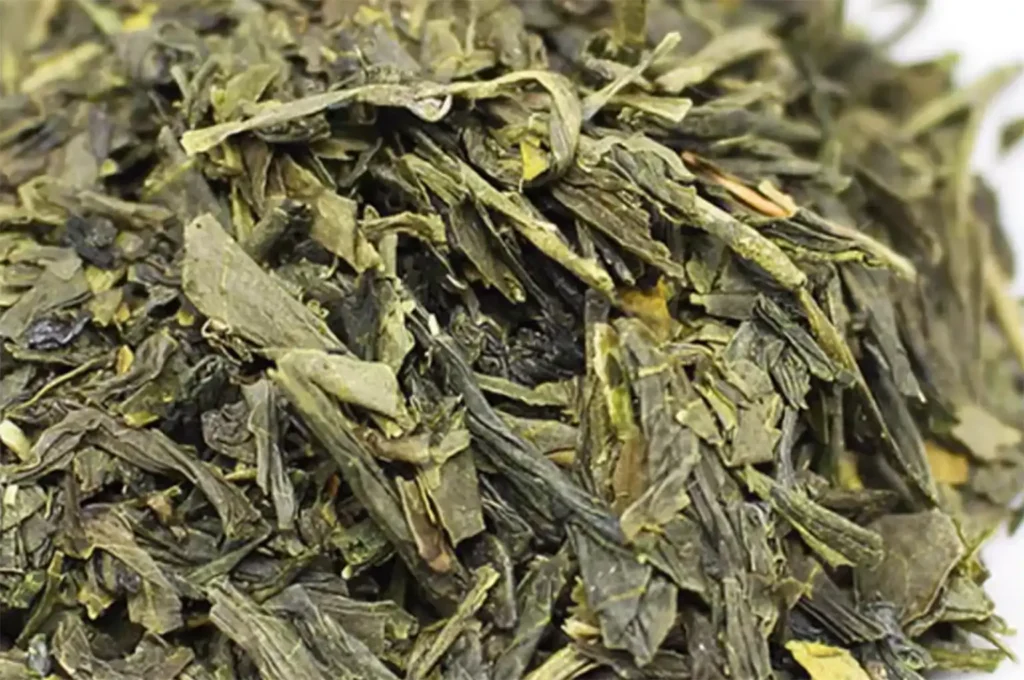
How to Brew Gyokuro Green Tea
Gyokuro is celebrated for its rich umami and delicate aroma. To preserve its unique character, it should be brewed at lower temperatures. Here are our recommendations for brewing Gyokuro tea:
| Water Temperature | 50°C–60°C is ideal. Water that is too hot will destroy its natural sweetness and bring out excessive bitterness. |
| Tea-to-Water Ratio | About 3g per person with roughly 100ml of water. |
| Steeping Time | Steep for about 60 seconds for the first infusion. You can re-steep two or three more times according to taste, adding 30–40 seconds to each subsequent steep. |
Health Benefits of Gyokuro Green Tea
| Antioxidant Support | Gyokuro is rich in polyphenols and catechins, powerful antioxidants that help protect cells and slow down aging. |
| Boosts Metabolism | The amino acids in Gyokuro help promote healthy metabolism, supporting digestion and weight management. |
| Relieves Stress and Tension | The rich umami and distinct aroma of Gyokuro offer a soothing effect, making it a perfect cup to unwind during a busy day. |
| Strengthens Immunity | Packed with Vitamin C, Gyokuro helps support a healthy immune system. |
Considerations and Precautions for Gyokuro Green Tea
While Gyokuro offers numerous health benefits, here are a few things to keep in mind:
| Caffeine Content | Although Gyokuro generally contains less caffeine than Sencha, excessive consumption may still affect sleep for caffeine-sensitive individuals. |
| May Affect Iron Absorption | Like other green and oolong teas, Gyokuro contains tannins that can interfere with iron absorption, so it is best not to drink it with iron-rich meals. |
| Higher Cost | Due to its high production costs and labor-intensive cultivation, Gyokuro tea usually comes at a premium price. |
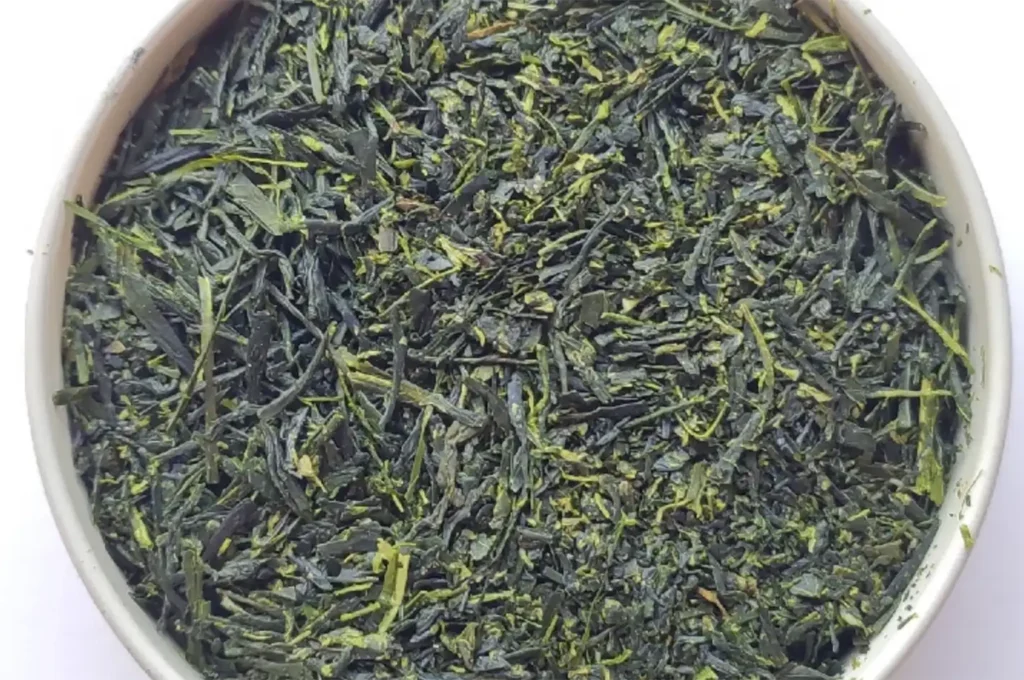
Gyokuro green tea is one of the highest-grade Japanese teas. Its unique shade-growing process and meticulous production methods yield exceptional quality. With an unforgettable delicate aroma and rich sweetness, it is truly considered a world-class tea.
Gyokuro Green Tea Q&A
Q. Does Gyokuro green tea contain caffeine?
Yes, Gyokuro green tea contains caffeine. However, compared to Sencha or other green teas, its caffeine content is relatively low, so drinking it in moderation shouldn’t be an issue for most people. That said, those sensitive to caffeine, as well as pregnant or breastfeeding women, should still limit their intake.
Q. What is the difference between Gyokuro and Sencha?
The main difference lies in how they are cultivated. Gyokuro is grown under shade before harvest to enhance the leaves’ savory umami flavor, whereas Sencha grows under direct sunlight for a brighter, more refreshing profile. Gyokuro offers a smoother, richer mouthfeel, while Sencha has a slightly stronger astringency.
Q. What is Matcha Gyokuro?
Matcha Gyokuro is made by grinding Gyokuro tea leaves into a fine powder similar to matcha, combining the best features of both green teas. It offers a rich, full-bodied taste with a truly unique flavor profile.
Q. What is Genmaicha Gyokuro?
Genmaicha Gyokuro is a blend of Gyokuro tea leaves and roasted brown rice. Put simply, it uses Gyokuro as the base green tea for Genmaicha, making it the highest grade of Genmaicha available. It combines the umami sweetness of Gyokuro with the toasted aroma of roasted rice for a uniquely satisfying flavor.