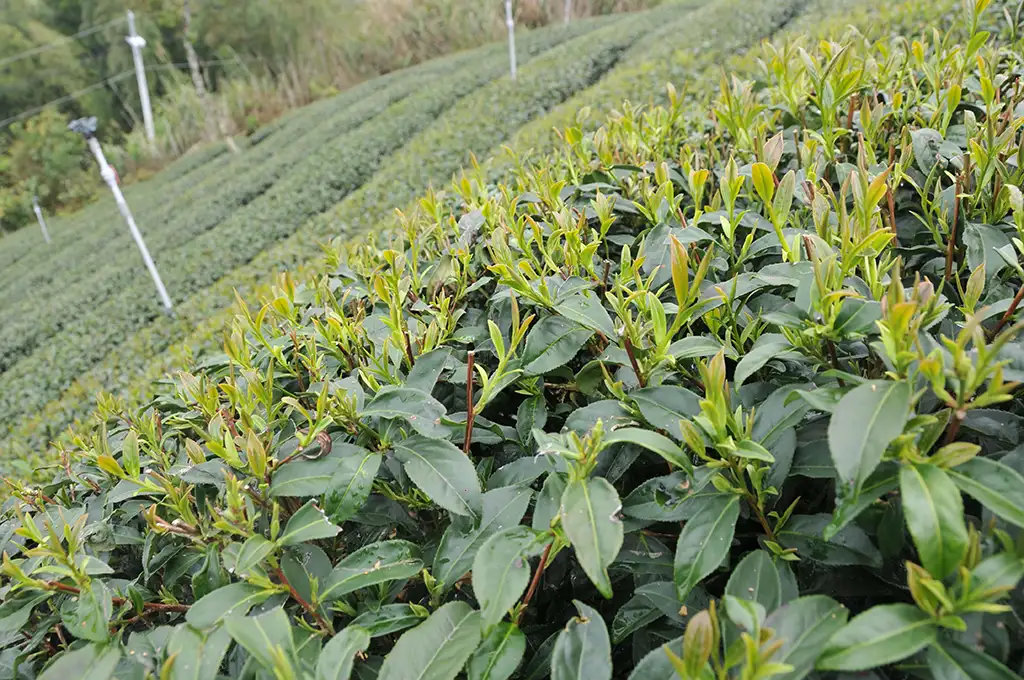
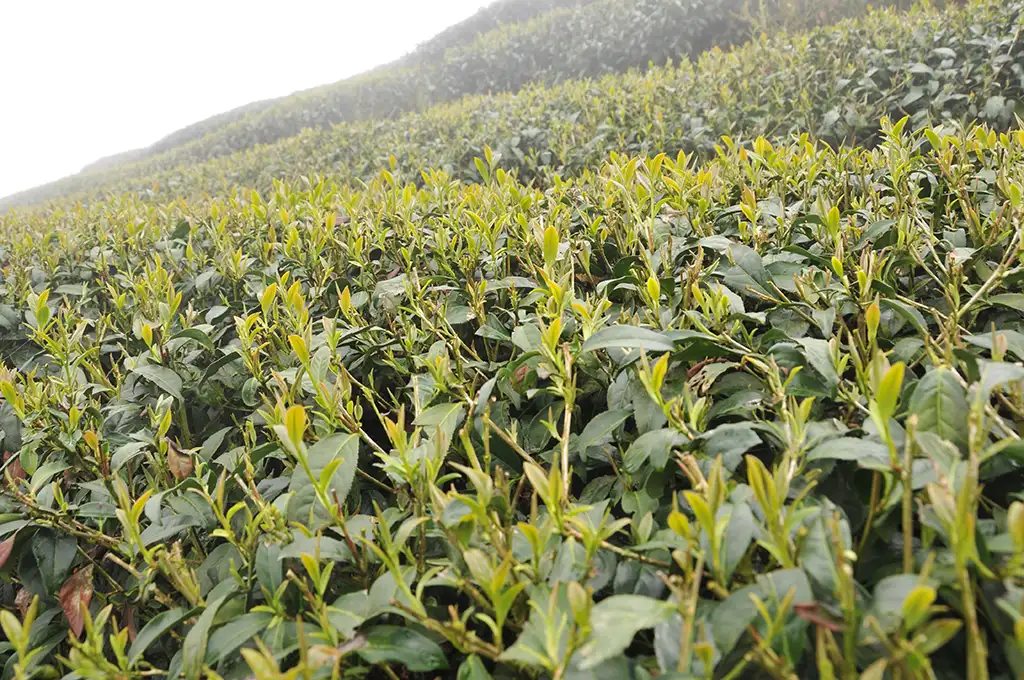
In Eastern tea culture, spring tea is celebrated as the highest quality harvest of the year. Among spring teas, “Mingqian tea” (pre-Qingming tea) is considered the absolute finest, often commanding prices several times higher than regular spring tea. But what exactly is Mingqian tea, and why is it so highly prized?
What Is Mingqian Tea and Why Is It So Expensive?
The name Mingqian tea is tied to the 24 solar terms of the traditional calendar. “Ming” refers to the Qingming Festival, and “Mingqian tea” literally means tea harvested before Qingming, which usually falls around April 5 on the Gregorian calendar.
Because temperatures are cooler before Qingming, tea bushes grow slowly, producing exceptionally tender leaves and buds. As the very first harvest after winter dormancy, these leaves absorb the rich nutrients accumulated over the winter. Production yields during this brief window are also quite low. Combined, these factors drive up the price—hence the saying, “Pre-Qingming tea is worth its weight in gold.”

Flavor Profile and Characteristics of Mingqian Tea
Mingqian tea is known for its tender buds, crystal-clear liquor, and fresh, naturally sweet flavor. The cooler spring temperatures boost the amino acid content in the leaves, giving the tea a unique umami richness and delicate sweetness.
Why Is Mingqian Tea Superior to Later Harvests?
As mentioned earlier, temperatures during the Mingqian period are lower, causing tea leaves to grow more slowly and yield tender fresh shoots. They are also richer in amino acids and polyphenols, resulting in a sweeter, fresher brew. Another advantage is that cooler weather means fewer pests and diseases, making it easier to maintain consistent tea quality.
Mingqian tea is common in green tea, so why isn't it emphasized in Taiwanese Oolong?
The concept of Mingqian tea mainly applies to green tea varieties, such as Mingqian Longjing and Mingqian Bi Luo Chun. This is because green tea highlights freshness and delicate crispness—qualities best captured by tender early-spring tea buds. That is why the “Mingqian” distinction is so prominent in green tea.
In contrast, Taiwanese Oolongs (such as High Mountain Oolong and Dong Ding Oolong) focus heavily on craftsmanship, such as fermentation and roasting techniques. While green tea values crisp freshness, Oolong emphasizes lingering aftertaste and flavor complexity. Therefore, Taiwanese Oolong producers rarely highlight the “Mingqian” concept.
Mingqian tea represents the pinnacle of spring teas—tender leaves, rich inner substances, and a naturally sweet, crisp taste make it a prized treasure for green tea lovers. Taiwan also produces Mingqian green tea. If you’d like to try it, take a trip to Sanxia District in New Taipei City during spring, home to the finest Mingqian green tea in Taiwan!
Mingqian Tea Q&A
Q. What solar term or festival does the "Ming" in Mingqian tea refer to?
“Ming” refers to the Qingming Festival, which usually falls around April 5 on the Gregorian calendar.
Q. Which is better: Mingqian tea or Yuqian tea?
A Yuqian tea harvested under ideal weather and terroir conditions can easily rival a Mingqian tea.
Q. When is the harvest season for Mingqian tea on the Gregorian calendar?
It generally spans from mid-to-late March to early April, varying slightly depending on the latitude of the growing region.
Q. Does Taiwan produce Mingqian tea?
Yes, Taiwanese Oolongs and High Mountain teas are also harvested before Qingming, but the “Mingqian” designation is not emphasized for Oolong. As for Taiwanese green teas, Sanxia Bi Luo Chun and Sanxia Longjing do observe the Mingqian concept, though it is not as widely marketed as it is for mainland Chinese green tea.