
When it comes to iconic Japanese green teas, matcha undoubtedly tops the list. This ultra-fine green tea powder is not only the heart of the traditional Japanese tea ceremony, but it has also captivated tea lovers worldwide with its vibrant green color and rich, distinctive flavor. From traditional tea rituals and daily beverages to baked goods and desserts, matcha seamlessly integrates into countless creations, transcending traditional tea to become a symbol of health and delicious flavor.
Matcha: The Rich and Fine King of Japanese Green Tea
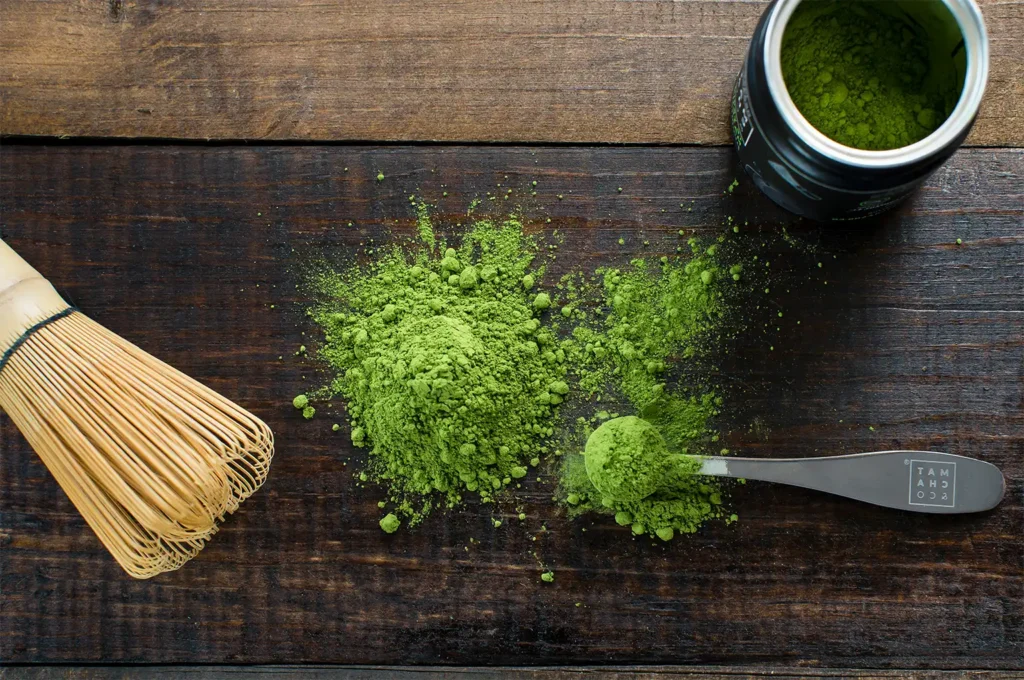
The defining feature of matcha is that whole tea leaves are ground into powder and consumed directly. Unlike regular steeped green tea, matcha retains all the nutrients of the whole leaf—including tea polyphenols, chlorophyll, and amino acids—and its powdered form makes these beneficial compounds much easier for the body to absorb.
Additionally, matcha uses the same shade-growing technique as Gyokuro. Tea bushes are covered with shade netting before harvest to block sunlight, boosting chlorophyll and reducing bitter tannins. This gives the tea leaves a vibrant emerald hue and a richer, sweeter flavor profile full of umami.
Origins and Regions of Matcha
The history of matcha traces back to China’s Tang Dynasty, when tea leaves were steamed and ground into powder for brewing. The practice was later introduced to Japan during the Kamakura period and popularized by the Japanese monk Eisai, eventually evolving into the centerpiece of the Japanese tea ceremony. The most renowned matcha-producing regions in Japan include:
| Uji, Kyoto | Japan’s most iconic matcha region with centuries of history, producing deeply flavorful matcha. Uji matcha is a must-try for visitors to Kyoto. |
| Shizuoka | Japan’s largest tea-producing region, offering matcha with a light, refreshing taste ideal for daily drinking. |
| Nishio, Aichi | Famous for its high-grade matcha, Nishio produces finely ground powder with a smooth, sweet flavor. |
| Yame, Fukuoka | With limited production, Yame matcha is known for its vivid color, rich sweetness, and umami, delivering a smooth, gentle palate. |
The Matcha Production Process
| Shade Cultivation (approx. 3-4 weeks before harvest) | Reduces sunlight exposure to boost sweetness, diminish bitterness, and increase chlorophyll content in the leaves. |
| Harvesting | Typically harvests tender, high-quality young leaves to ensure superior quality. |
| Steaming | Uses steam to heat the tea leaves, halting oxidation and locking in freshness. |
| Drying | Dries the leaves to produce “tencha,” which is destemmed and processed into small, flat leaf pieces. |
| Grinding | Uses traditional stone mills to slowly grind the leaves into an ultra-fine powder. |
Brewing Methods & Culinary Uses
| Usucha (Thin Tea) | 2g matcha powder, water temperature 75-85°C, 70-80ml water. Whisk with a chasen (bamboo whisk) until a fine foam forms before drinking. |
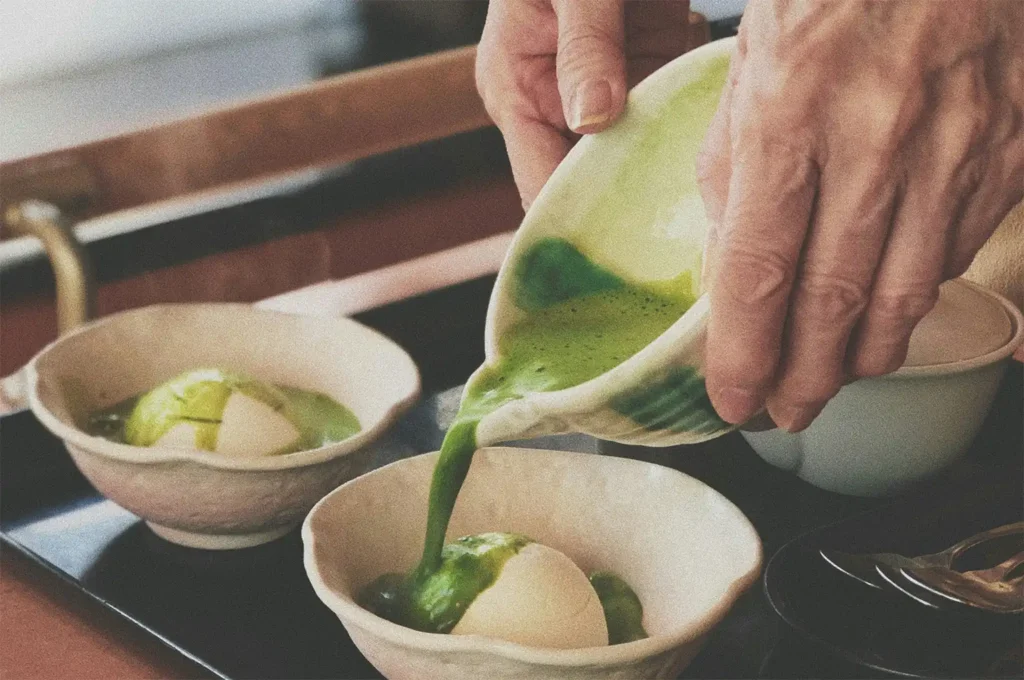
| Koicha (Thick Tea) | 4g matcha powder, water temperature 75-80°C, 30-40ml water. Slowly whisk/knead with a chasen until smooth and thick before drinking. |
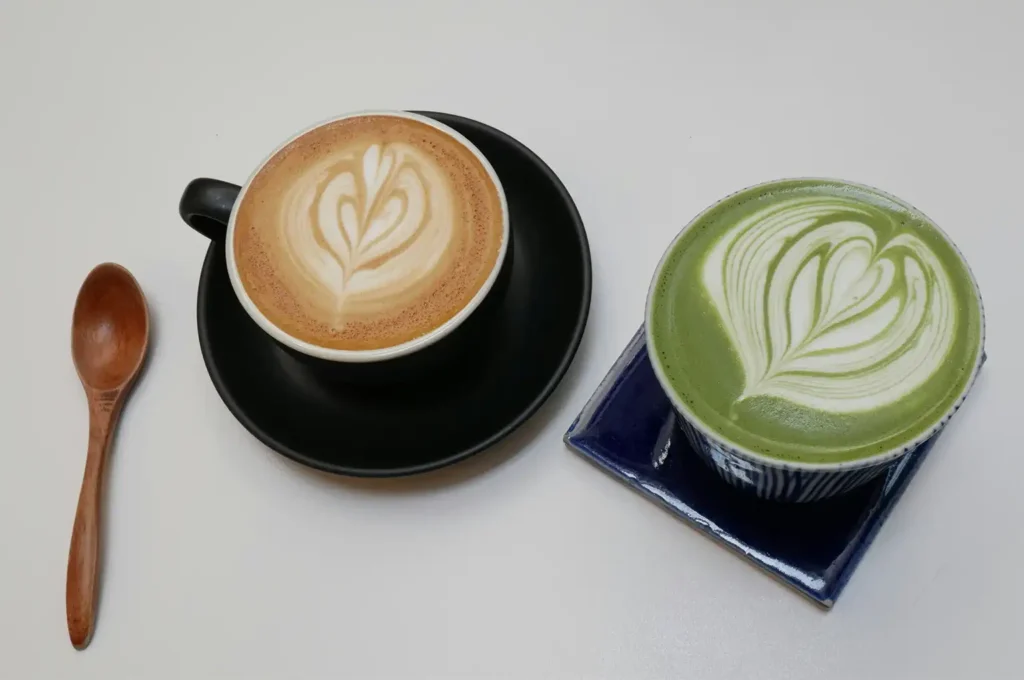
| Culinary Uses | Matcha can also be used in matcha lattes, ice cream, baked goods, and various culinary treats. |
Health Benefits of Matcha
| High Nutritional Value | Packed with polyphenols, chlorophyll, and vitamin C. Rich in antioxidants that help boost metabolism. |
| Boosts Alertness | Contains caffeine to help boost energy and mental focus. |
| Promotes Relaxation | Contains L-theanine, which helps promote relaxation and reduce stress. |
| Weight Management | Catechins and caffeine in matcha work synergistically: catechins promote fat burning and boost metabolism, while caffeine enhances workout performance, aiding in weight management. |
Matcha Side Effects & Precautions
| Contains Caffeine | Pregnant women and individuals sensitive to caffeine should consume in moderation. |
| Sensitive Stomach | Avoid drinking on an empty stomach to prevent stomach discomfort. |
| Excessive Caffeine | Overconsumption may affect sleep quality or cause insomnia. |
Matcha Q&A
Q. What is the difference between matcha and green tea?
Matcha is green tea in powdered form, where the whole tea leaf is finely ground and consumed. Regular green tea (such as Longjing) is brewed by steeping whole or loose leaves.
Q. Is matcha the same as green tea? Is matcha a green tea?
Matcha is a type of green tea, but its unique shade-growing process and fine grinding technique set it apart from standard green tea.
Q. What is matcha made from?
Matcha is made from shade-grown tea leaves that are steamed, dried, and slowly ground into a fine powder using stone mills.
Q. Can matcha help with weight loss?
Matcha contains catechins and caffeine, which help boost metabolism and promote fat burning, though it should still be paired with a healthy diet and regular exercise.
Q. Can you add milk to matcha?
Of course! Adding milk tempers any mild bitterness and creates a delicious matcha latte!
Q. Will drinking matcha cause insomnia?
Matcha contains caffeine, so it is best to avoid drinking it before bed to prevent it from affecting your sleep.
Q. Does drinking matcha cause diarrhea?
If you have a sensitive stomach, matcha may stimulate your digestive system and increase bowel movements.
Q. Can I still use matcha powder after the expiration date?
Although it may not spoil immediately after expiring, we recommend not using expired matcha powder for your health and safety.