What’s the Difference Between Oolong, Qingcha, and Green Tea? Learn in 3 Minutes

Are you also confused by “Qingcha, oolong tea, and green tea”? Their names sound a bit similar, yet somehow different! Don’t worry, today we’ll break it down simply so you can understand the differences between these three teas in just 3 minutes!

What is the difference between oolong, green, and light oolong tea

Qingcha vs. Oolong Tea

First of all, “Qingcha and oolong tea are essentially the exact same tea!” Yes, you read that right—Qingcha is simply another name for oolong tea. Among the world’s six major tea categories (green, white, yellow, oolong/teal, black, and dark), Qingcha is commonly referred to as oolong tea. So we don’t need to spend time figuring out how Qingcha differs from oolong tea, because they are one and the same.

What is the difference between oolong, green, and light oolong tea

Characteristics of Qingcha / Oolong Tea

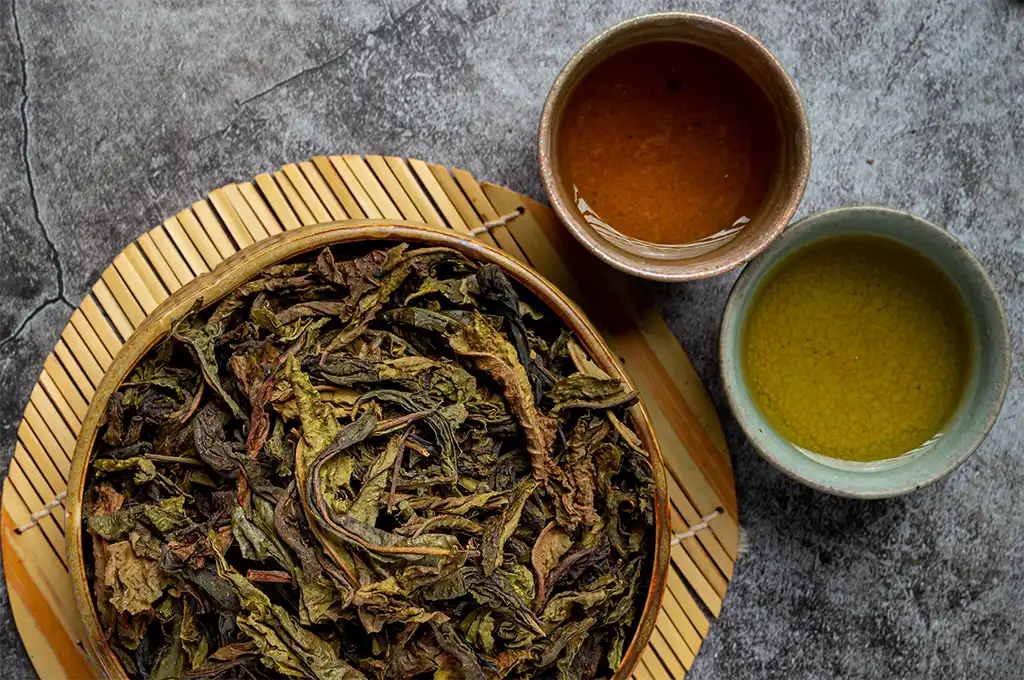
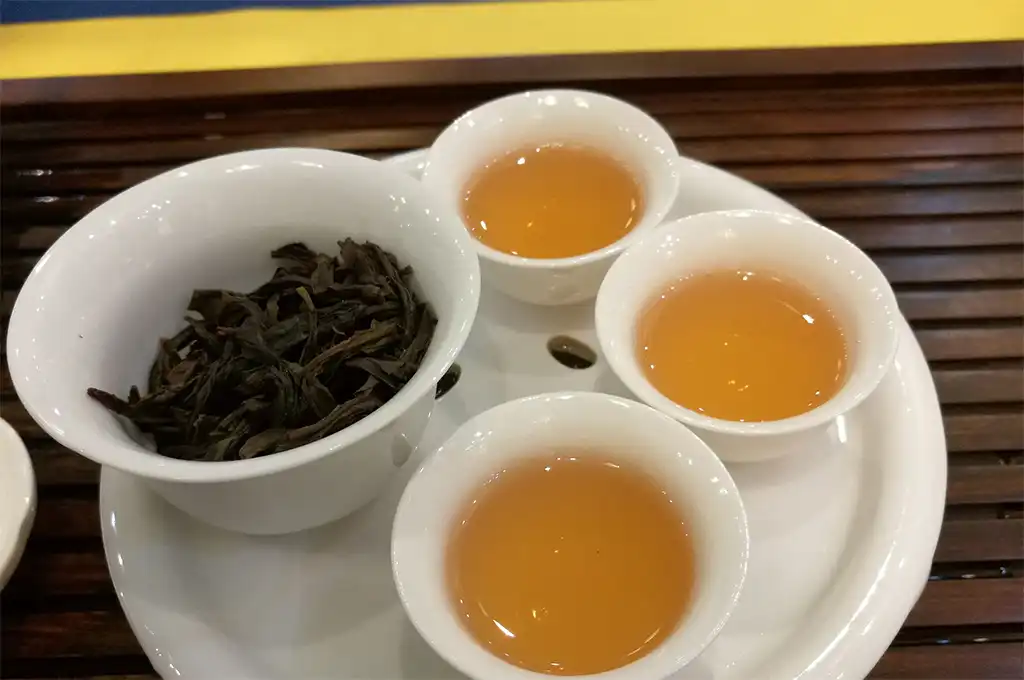
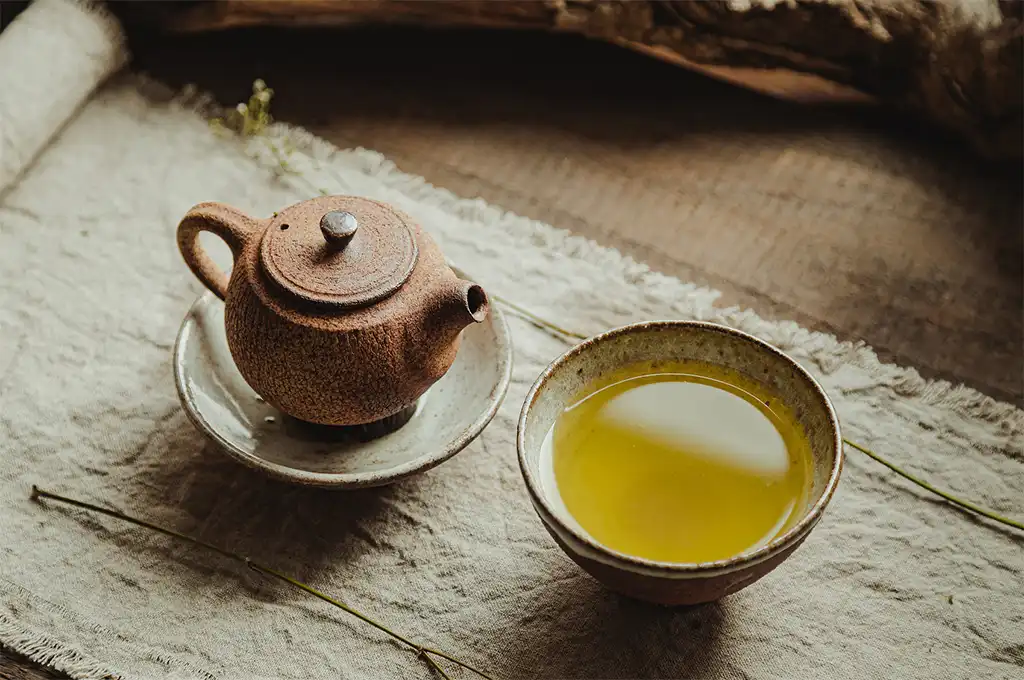
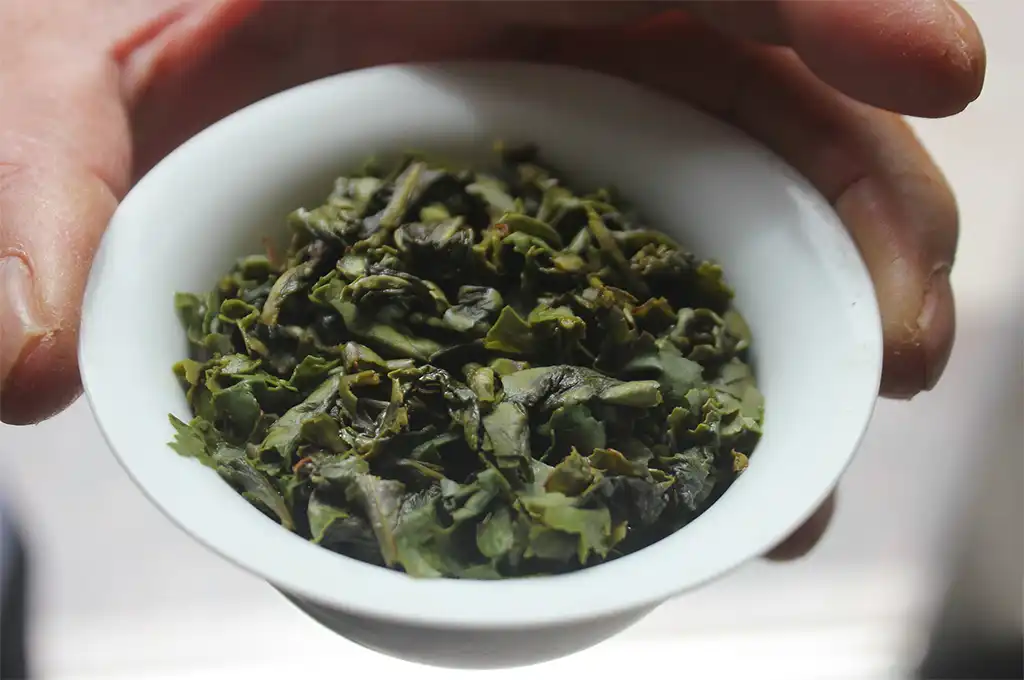
Qingcha (Oolong tea) is characterized as a partially fermented tea, with a fermentation level ranging between green tea and black tea, approximately 10% to 80%. Different fermentation levels create a rich variety of flavors and aromas, ranging from light and floral to deep and roasted. Representative teas include Tieguanyin, Wuyi Rock Tea, Phoenix Dancong, Dongding Oolong, Wenshan Baozhong, and High Mountain Oolong. (Both of the top 2 images show Qingcha/Oolong tea)

Characteristics of Green Tea

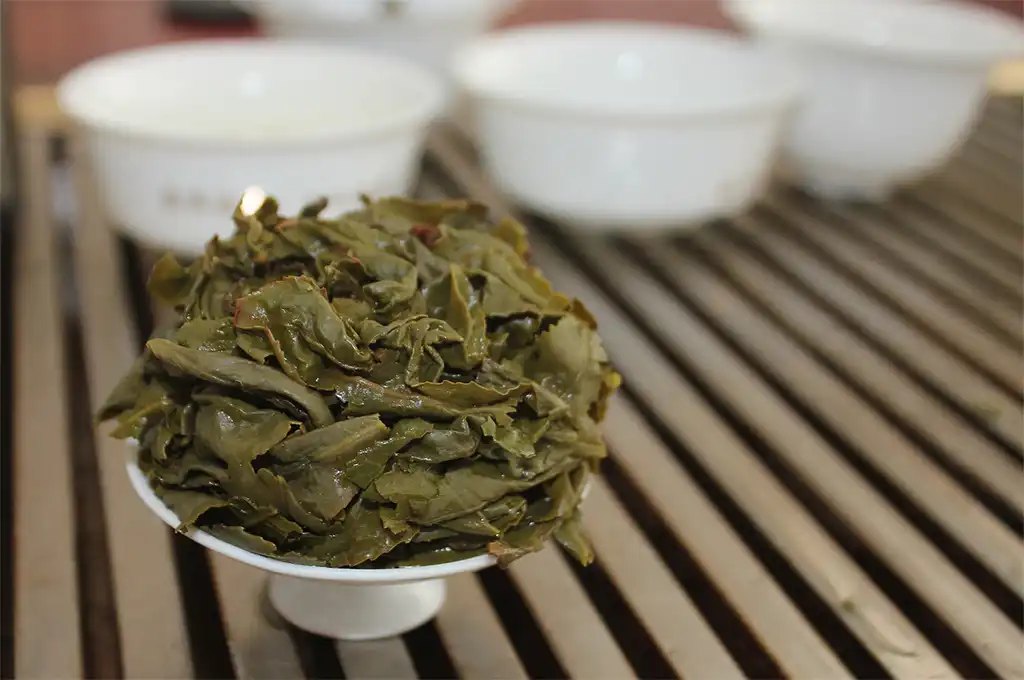
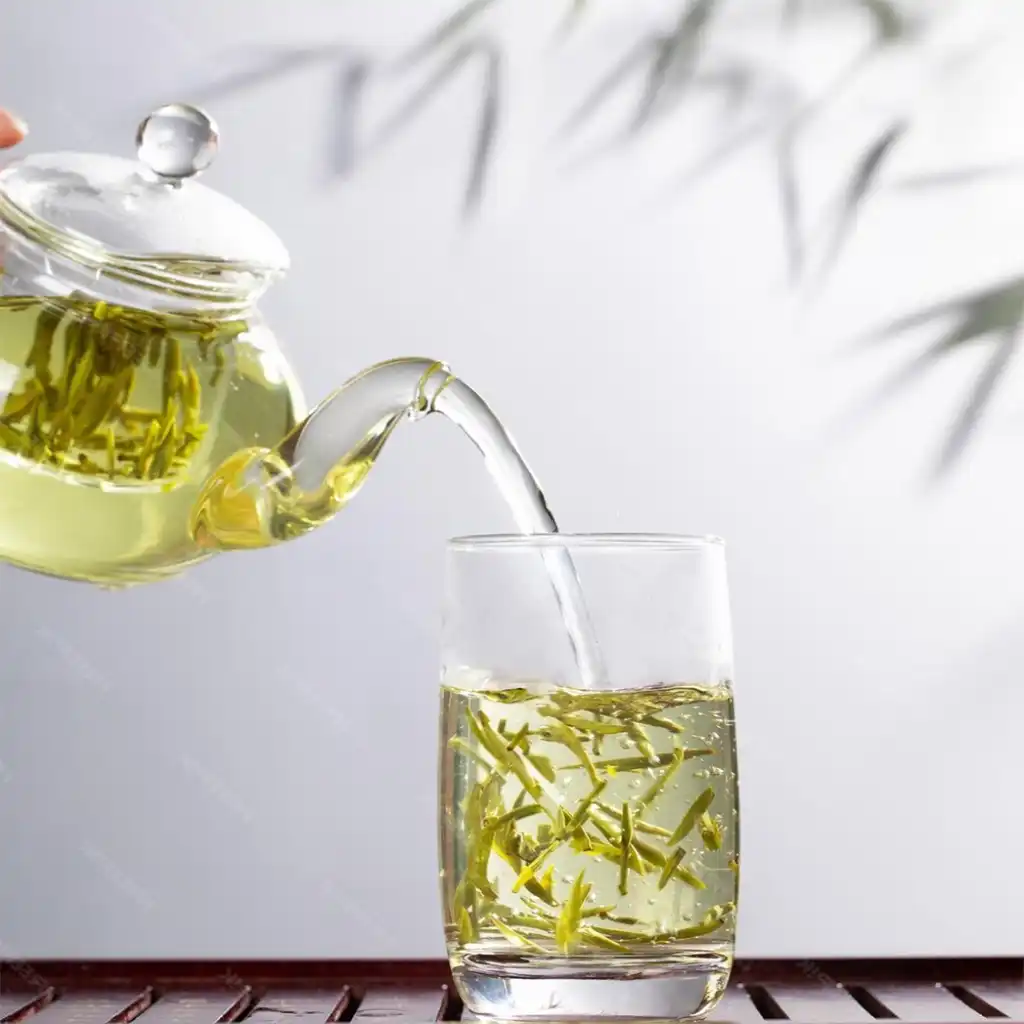
Green tea is an unfermented tea and the most “natural” of all teas, retaining the most of its fresh, original flavor. After harvesting, it is immediately pan-fired at high temperatures, so there is virtually no fermentation. The liquor is yellowish-green, and the taste is fresh and crisp. Representative teas include Xihu Longjing, Biluochun, Japanese Matcha, Sencha, and Gyokuro. (The bottom 2 images show green tea)

What is the difference between oolong, green, and light oolong tea

Qingcha / Oolong Tea vs. Green Tea

FeatureGreen TeaOolong Tea
Production MethodClassified as an “unfermented tea,” it is directly pan-fired or steamed at high temperatures to quickly deactivate enzymes, preserving the tea’s natural freshness and nutrients.Classified as a “partially fermented tea,” the production process is more complex, involving withering, tossing, fixing, rolling, and roasting, creating the characteristic “green leaves with red edges.”
Fermentation LevelVirtually unfermented, preserving its natural color and flavor.Semi-fermented, with fermentation levels ranging from 10% to 80%, resulting in richer and more diverse aromas and flavors.
Liquor & Flavor ProfileThe liquor is yellowish-green or tender green, with a fresh and crisp mouthfeel featuring natural grassy notes and a subtle sweetness.The liquor ranges from golden to amber-red with rich flavor layers. It can feature floral and fruity notes, or subtle roasted and honeyed aromas, offering a smooth finish and lingering sweetness.
Representative TeasXihu Longjing, Biluochun, Huangshan Maofeng, Matcha, Sencha, Gyokuro, etc.Tieguanyin, Wuyi Rock Tea (such as Da Hong Pao), Phoenix Dancong, Dongding Oolong, Wenshan Baozhong, and High Mountain Oolong.

10-Second Summary

1. Qingcha = Oolong tea, partially fermented, with rich and complex aromas. 2. Green tea is unfermented, offering a fresh and crisp taste. 3. If you like rich aromas, choose Oolong tea; if you prefer a refreshing taste, green tea is the way to go!

Shopping Cart