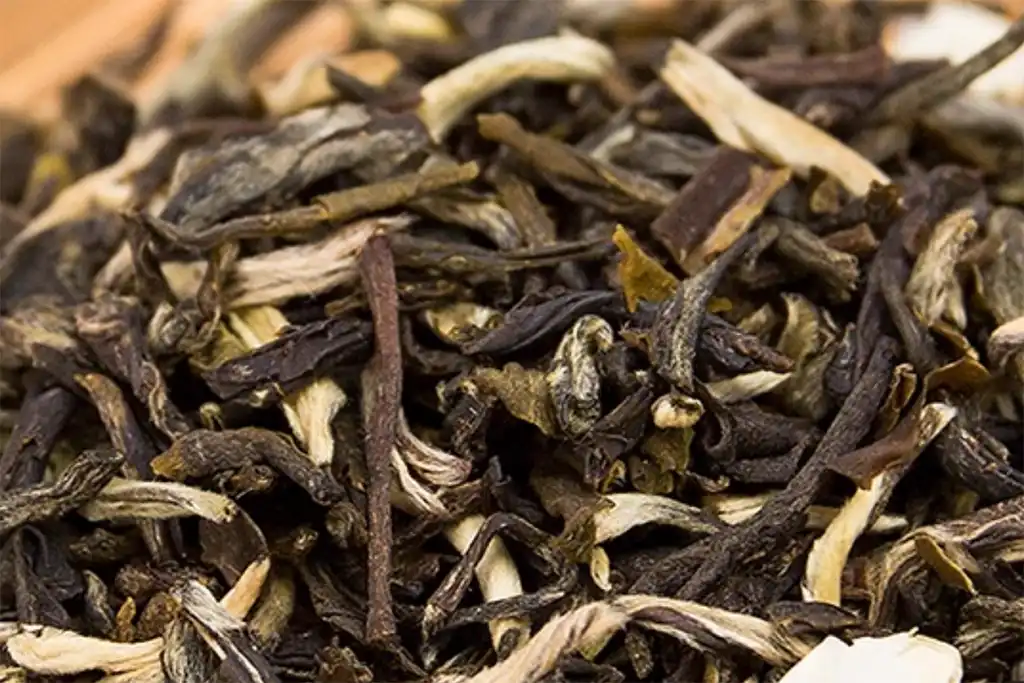
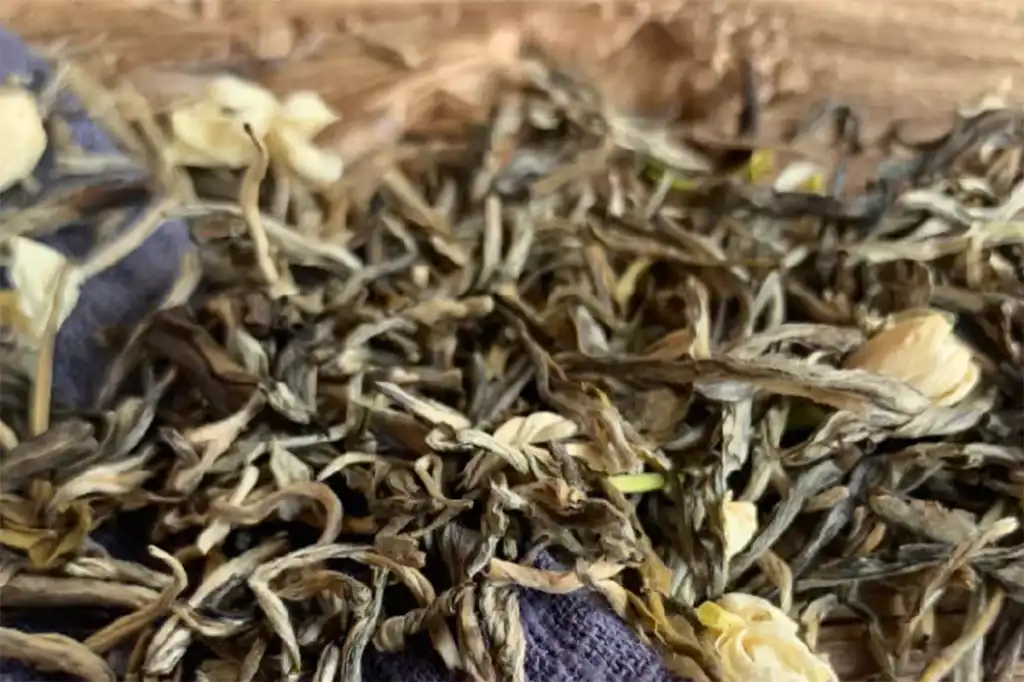
Heung Pien is a type of reprocessed tea, typically made with a green tea or oolong tea base that is scented with jasmine flowers. It combines the natural character of tea leaves with the refreshing aroma of jasmine, and is widely loved and popular around the world for its unique flavor profile.
What is Heung Pien Tea? Its Origins and Characteristics
Heung Pien originated in Fujian, China, initially using a green tea base scented with jasmine flowers to give the leaves a dual characteristic of sweetness and refreshing fragrance. With the evolution of tea-making techniques, the base for Heung Pien has become more diverse; alongside green tea, oolong and even black teas are now used. In addition to jasmine, other flowers such as osmanthus, gardenia, pomelo blossoms, white champaca, and Taiwan bayberry are also common pairings.

How Heung Pien is Made
Heung Pien is made using a traditional scenting process. The base tea is laid flat and covered with a layer of jasmine flowers. Through precise temperature and humidity control, the tea leaves fully absorb the jasmine fragrance. High-quality Heung Pien typically requires multiple rounds of scenting, sometimes up to five to seven times. Once fully absorbed, the jasmine flowers are removed, leaving behind the scented tea leaves known as Heung Pien.
How Does Heung Pien Differ from Regular Scented or Flower Teas?
The main difference between Heung Pien and regular flower teas lies in whether the flowers are retained in the final product:
- Heung Pien: Crafted using traditional methods where flowers are used solely for the scenting process and are sifted out afterwards, leaving only the tea leaves.
- Regular Flower Tea: Typically retains the flowers alongside the tea leaves, resulting in a visible mix of blossoms and tea in the finished product.
It is worth noting that in recent years, the standards for scented tea have become more relaxed, and some scented teas may now contain a small amount of residual flower petals.
Scented Tea Today
In addition to its place of origin in Fujian, China, Taiwan is also a major producer of scented tea. It is cultivated in regions such as Pinglin District in New Taipei City and various tea-growing areas in Nantou, using not only jasmine but also other flowers. Common varieties include osmanthus, gardenia, pomelo blossom, white champaca, and Sarcandra glabra, often paired with tea bases like Pouchong and Oolong tea. Well-known examples include Pinglin Osmanthus Pouchong scented tea and Nantou Gardenia Oolong.
Read More:
- What is Scented Tea? How is it Different from Regular Herbal Tea?
- Is Scented Tea Green Tea?
- What are the Benefits of Scented Tea? A Complete Guide
- Does Scented Tea Contain Caffeine?
- Is Scented Tea the Same as Green Tea? What’s the Difference?
- What is the Difference Between Scented Tea and Jasmine Tea? Are They the Same?
- What is Osmanthus Pouchong Tea?
- What is Osmanthus Oolong Tea?