What is the Difference Between Xiangpian and Jasmine Tea? Are They the Same?

Xiangpian and jasmine tea are not entirely the same, but jasmine tea can be said to be the origin of Xiangpian. Let’s explore their differences and relationship together!

What is the difference between jasmine scented tea and jasmine green tea

The Origin of Xiangpian

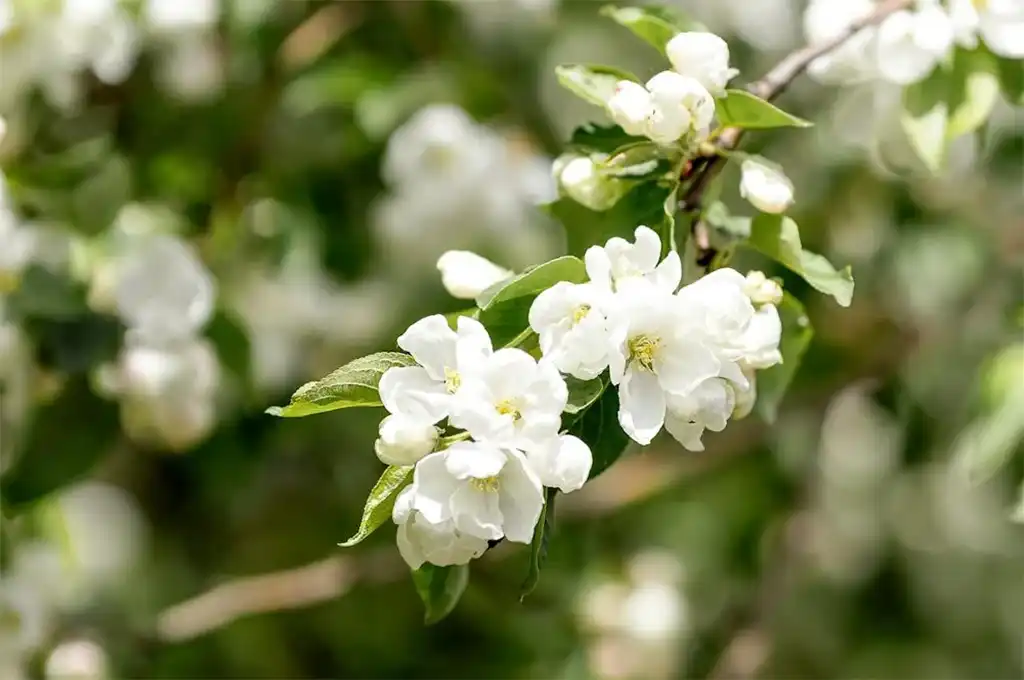
The earliest Xiangpian actually referred specifically to jasmine tea. This type of tea is made by taking advantage of tea leaves’ natural ability to absorb the aroma of jasmine flowers—a traditional scenting technique that fuses tea notes with jasmine fragrance to create a unique jasmine tea. With technological improvements and innovations, people later discovered that other flowers, such as osmanthus, gardenia, and magnolia, could also be used to make scented teas, so the scope of Xiangpian gradually expanded. Today, Xiangpian is no longer limited to jasmine tea, but is a general term for any tea infused with floral aromas. (Pictured above is Xiangpian tea made with osmanthus)

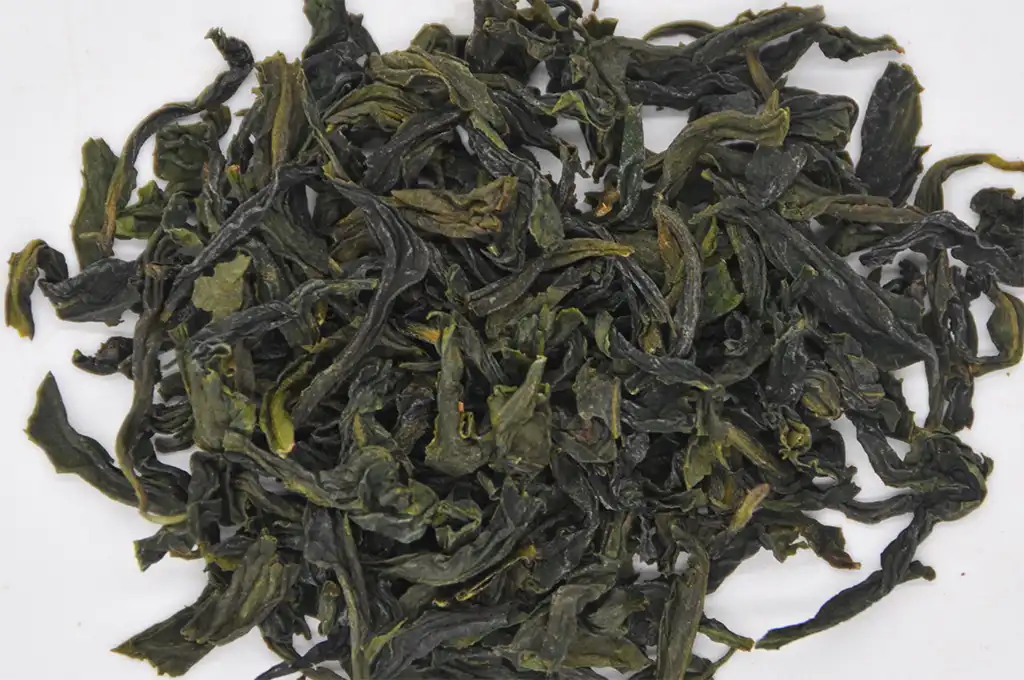
Jasmine tea remains the most iconic and popular variety of Xiangpian today. It uses tea leaves (mostly green tea) as a base and is scented together with jasmine flowers. The jasmine flowers “infuse” their fragrance into the tea leaves, and the flowers themselves are usually sifted out, so you won’t typically see flowers in your cup of jasmine tea (or only a few), but the aroma is exceptionally fresh and crisp. (Pictured below is the raw ingredient, jasmine)

What is the difference between jasmine scented tea and jasmine green tea

Differences Between Xiangpian and Jasmine Tea

Simply put, jasmine tea is the origin of Xiangpian, but the term Xiangpian now covers a broader range. Next time you see “Xiangpian” at a teahouse or supermarket, it is most likely still jasmine tea, but it could also be another floral-scented tea, so feel free to ask before you order!

Shopping Cart