
High Mountain Tieguanyin Tea is an oolong tea grown at altitudes above 1,000 meters and crafted with light fermentation and no roasting. Unlike the roasted tea from Muzha, High Mountain Tieguanyin Tea combines the soft, ethereal notes of high mountain tea with the unique “Guanyin rhyme” of the Tieguanyin cultivar.
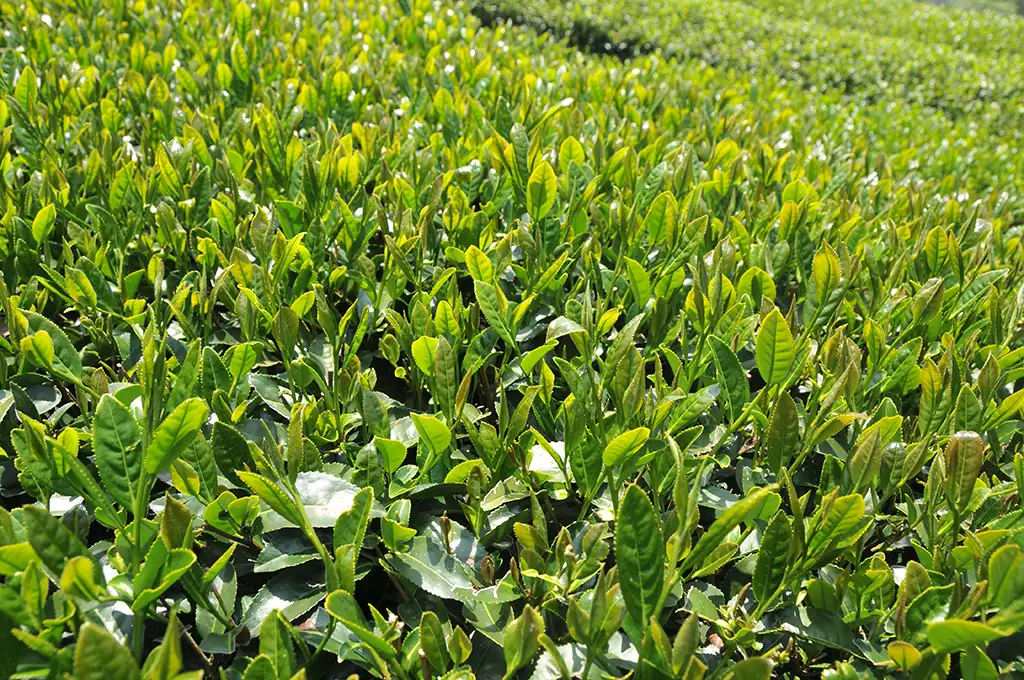
High Mountain Tieguanyin Tea, Commonly Known as "GaoTie"
Currently, high mountain tea varieties are predominantly Qingxin Oolong, which holds an absolute advantage of over 95%, especially in the premium tea market. However, Tieguanyin tea has seen a growing trend in recent years.
Traditional Tieguanyin is mostly medium-fermented and medium-to-heavily roasted, offering a full-bodied, sweet, and smooth roasted flavor profile. High Mountain Tieguanyin adopts a lightly fermented, unroasted floral-aroma approach. Along with the cultivar’s signature Guanyin rhyme, it features the gentle aroma and “high mountain vibrancy” typical of high mountain teas, with a body that is richer and heavier than Qingxin Oolong.
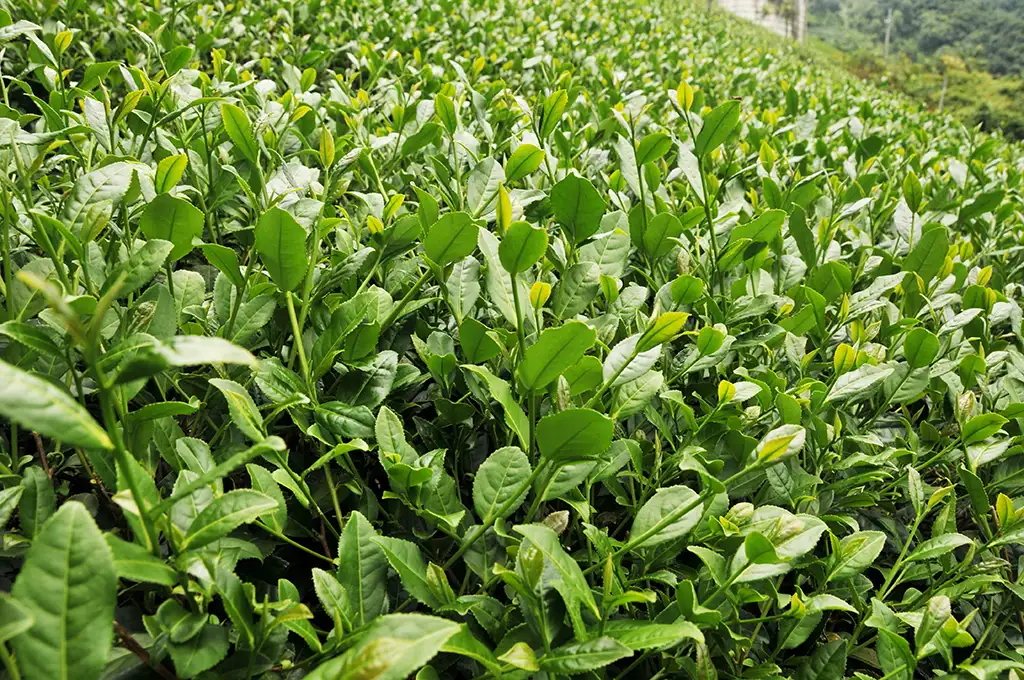
Origin and Pricing of High Mountain Tieguanyin Tea
ShanLinXi, Alishan, Lishan, and major tea regions in Ren’ai Township all have small-scale cultivation. Currently, the tea gardens with relatively higher production volumes include Lishan, Malieba, Yangzaiwan, Fanzitian, and Meishan. The higher the altitude, the higher the price. Spring and winter teas from the Lishan tea region can reach NT$5,000 or more per 600 g, while Lishan Tieguanyin autumn tea costs around NT$2,500 per 600 g. Overall, it is about 20% to 30% more expensive than Qingxin Oolong.
If you love the distinctive “Guanyin rhyme” (also known as the Tieguanyin note) of Tieguanyin but prefer to avoid heavy roasting flavors, you should definitely give High Mountain Tieguanyin Tea a try. With its robust body and lingering aroma, “GaoTie” has become an increasingly popular high mountain tea in recent years.