
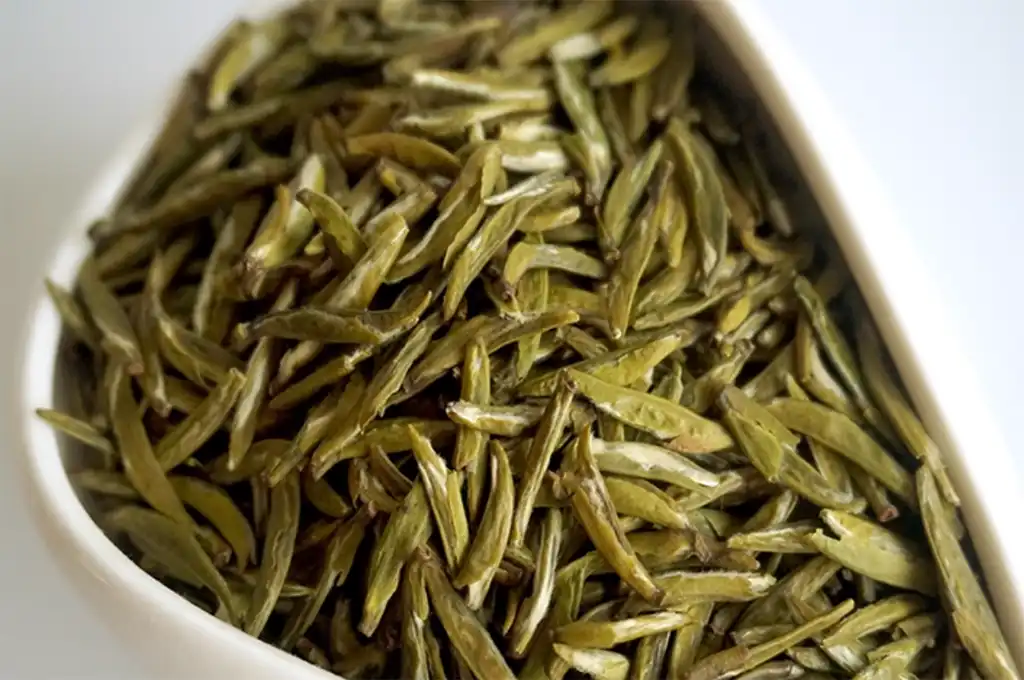
The production process of yellow tea is similar to that of green tea, with the addition of a crucial step called “heaping and yellowing” (men dui wo huang). As a result, yellow tea is classified as a lightly fermented tea. Its fermentation level generally ranges between 10% and 20%, depending on the environment and duration of the heaping and yellowing process.
Yellow Tea Fermentation Level
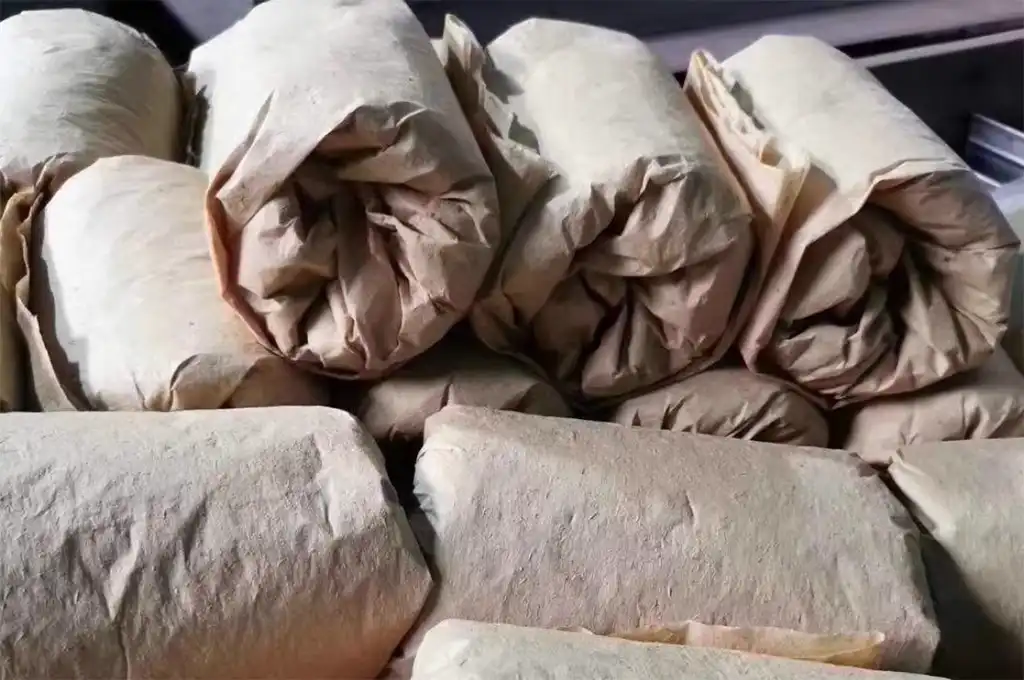
Yellow tea belongs to lightly fermented teas, with oxidation typically ranging from 10% to 20%. Unlike oolong and black teas, yellow tea skips the withering step. After harvesting, the leaves go straight to the fixation (pan-firing) stage, followed immediately by the “heaping and yellowing” process. This method involves wrapping the tea leaves in paper or cloth and piling them together. By maintaining warmth and then gradually lowering the temperature in a hot and humid environment, the leaves undergo a period of partial fermentation. This oxidizes the polyphenols and chlorophyll within the tea leaves, turning them yellow.
What is the Difference Between Yellow Tea and Green Tea?
The key distinction lies in the fact that yellow tea undergoes the “heaping and yellowing” process. The green tea production steps are harvesting, fixation, rolling, and drying. For yellow tea, the steps are harvesting, fixation, heaping and yellowing/rolling, and drying. These different methods create distinct differences between yellow tea and green tea.
Visually, green tea has a vibrant green appearance, while yellow tea is yellowish-green. In terms of taste, because yellow tea is lightly fermented, its flavor profile is smoother and rounder than green tea, featuring a subtle, sweet aroma and a softer liquor. Green tea, on the other hand, yields a bright liquor with a fresh, crisp, and brisk taste that carries a slight astringency.
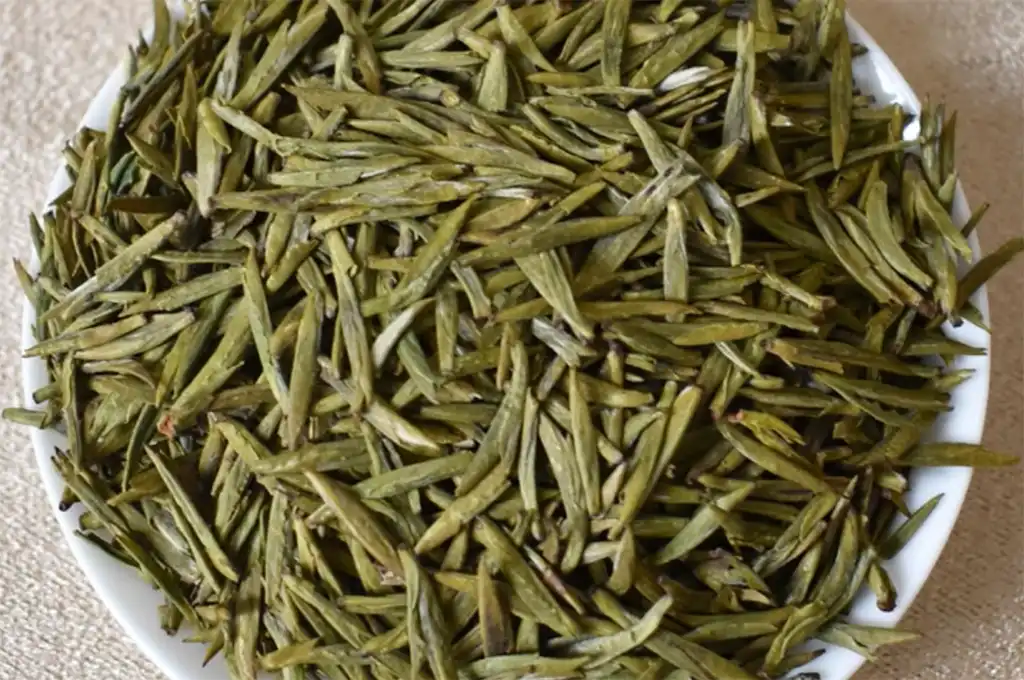
Due to the fermentation brought on by the “heaping and yellowing” process, yellow tea sits somewhere between green tea and oolong tea in terms of flavor and mouthfeel. It offers a sweet, mellow quality from light fermentation, whereas green tea remains completely unfermented, preserving the natural freshness of the tea leaves.