
Yashi Xiang (Duck Shit Fragrance)—doesn’t that sound a bit bizarre? But actually, Yashi Xiang is a tea tree variety originating from Chaozhou, Guangdong. When made into oolong tea, it boasts a unique aroma and flavor, soaring in popularity in 2018 to become a top choice for many beverage brands.
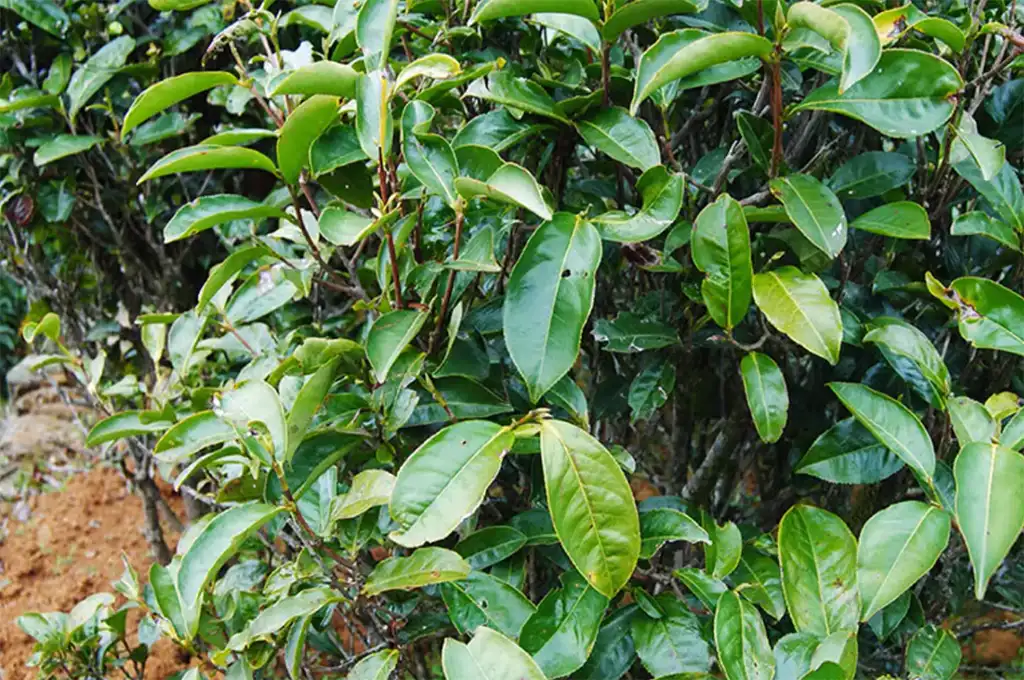
What is Yashi Xiang... Is Yashi Xiang a tea drink!?
The origin of the name Yashi Xiang is quite unique. It is closely tied to the soil in which the tea trees grow. In Kengtou Village, Fengxiping, Fenghuang Town, there is a type of soil locals call “duck shit soil,” which is a mineral-rich yellow loam. Tea grown in this soil is exceptionally aromatic. Legend has it that to protect the tea from being stolen, local tea farmers gave it the odd name—“Yashi Xiang” (Duck Shit Fragrance). Surprisingly, rather than driving people away, the name gradually caught on within tea circles. Some experts disliked how it sounded and officially renamed it “Yinhua Xiang Dancong” in 2014. However, because “Yashi Xiang” is so distinctive, people still prefer using the old name.
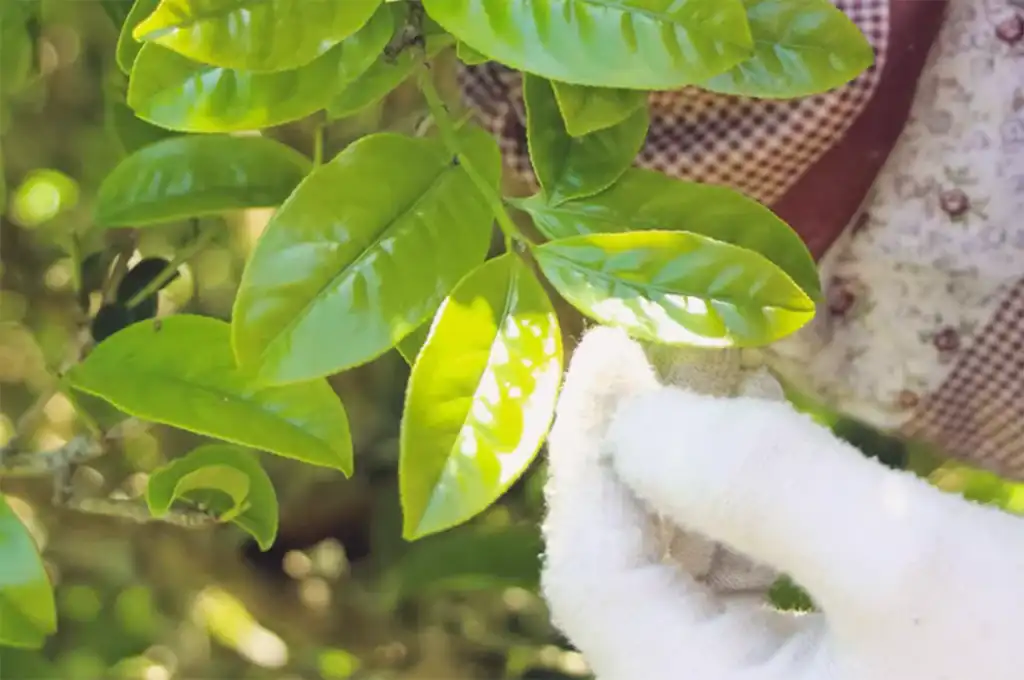
However, Ya Shi Xiang (“Duck Shit Fragrance”) became a massive hit largely due to a Guangzhou tea shop that launched “Ya Shi Xiang Lemon Tea” using Ya Shi Xiang as the tea base in 2018. It became an instant sensation upon release, and the craze quickly swept the entire market. “Ya Shi Xiang” not only became the new darling of the beverage industry but also expanded further into bottled teas, tea bags, and even baked goods and snacks. Not only did the bizarre name fail to scare customers away, but its unique aroma and charmingly ironic name made it immensely popular in the hand-shaken beverage scene, further boosting the popularity of the Ya Shi Xiang tea cultivar.
Is Ya Shi Xiang Lemon Tea sold in Taiwan?
In recent years, some businesses in Taiwan have introduced and offered Ya Shi Xiang Lemon Tea. However, Ya Shi Xiang Dancong tea is a oolong tea, and due to Taiwan’s import regulations, Chinese oolong teas generally cannot be imported. Therefore, the Ya Shi Xiang found in Taiwan is likely not sourced from Chaozhou, Guangdong, China. It is likely substituted with a medium-fermented, medium-roasted tea from another origin.
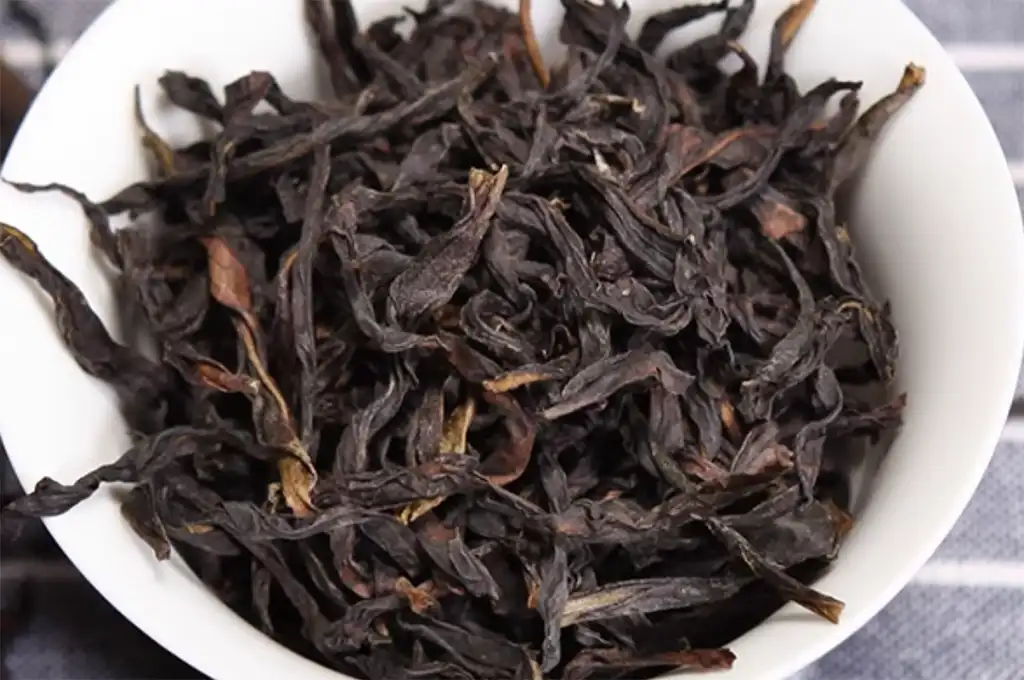
So the next time you hear the name “Ya Shi Xiang,” don’t be startled—instead, give this intriguing and delicious tea a try!