When comparing high mountain teas, why do some boast a rich, captivating aroma while others end up bitter and astringent? More often than not, it comes down to the quality differences driven by fertilizers! Let’s take a look at how premium tea is fertilized ~
How is premium tea made? A look at how tea trees are fertilized
Once the winter tea season wraps up, there’s still one crucial job left in the tea garden: winter fertilization. Fertilizing in the winter doesn’t just help the tea trees get through the cold months; it also builds up their energy reserve in preparation for the spring harvest. As the tea trees slowly absorb these nutrients, the spring tea will be able to display an incredible burst of vitality.
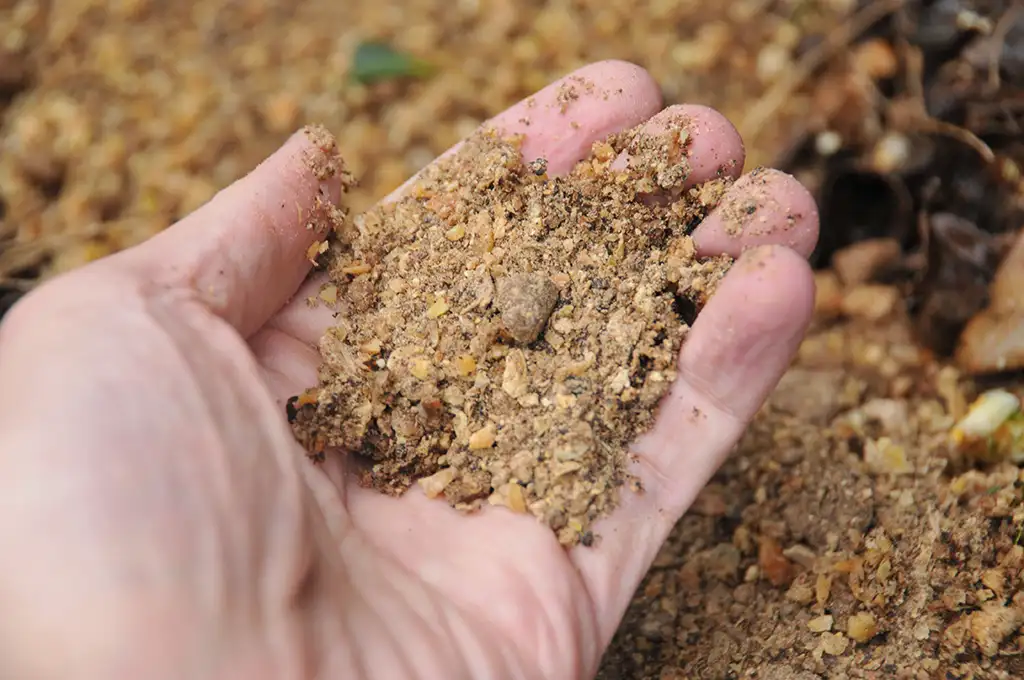
Top-tier high mountain tea plantations exclusively use soybean meal fertilizer. Needless to say, tea grown with soybean meal fertilizer is “significantly better” in quality than tea grown with chemical fertilizers. Soybean meal fertilizer yields tea with a finer texture, richer mouthfeel, and superior aroma, along with lower bitterness and astringency. Anyone who has tried our high mountain tea can instantly taste the difference. Simply put, tea produced using these two different types of fertilizer is “in completely different leagues altogether“.

The downside to soybean meal fertilizer is that it’s quite expensive, costing NT$700 per bag—more than double the cost of chemical fertilizers—and it also results in a lower tea yield compared to chemical fertilizers. That’s why quite a few high mountain tea farmers prefer chemical fertilizers: lower costs, larger yields, easier management, and ultimately, higher profits.
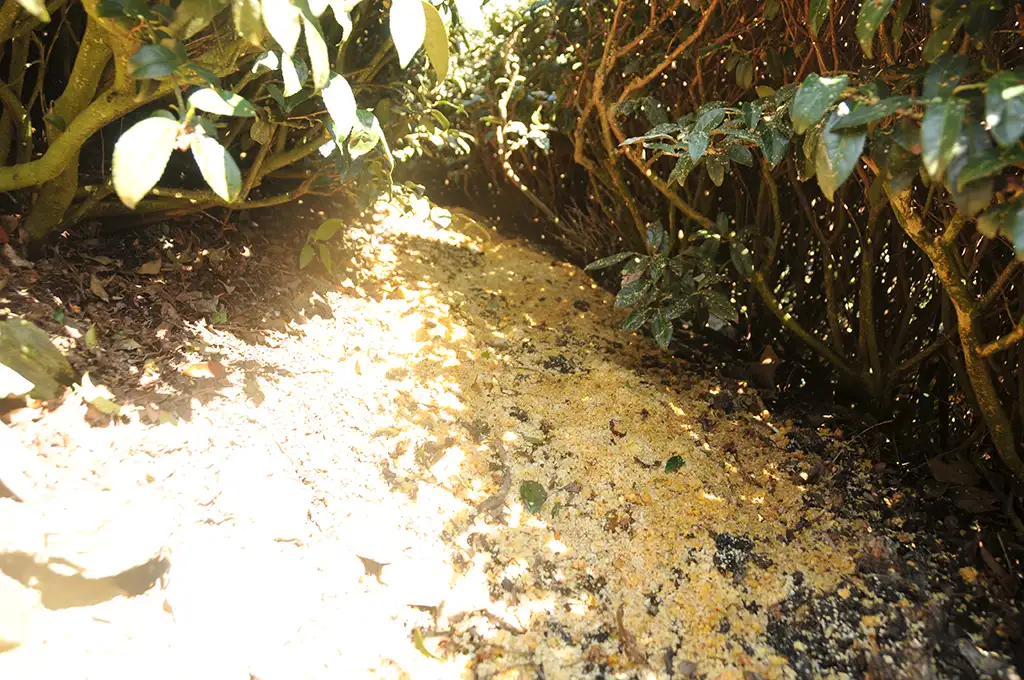
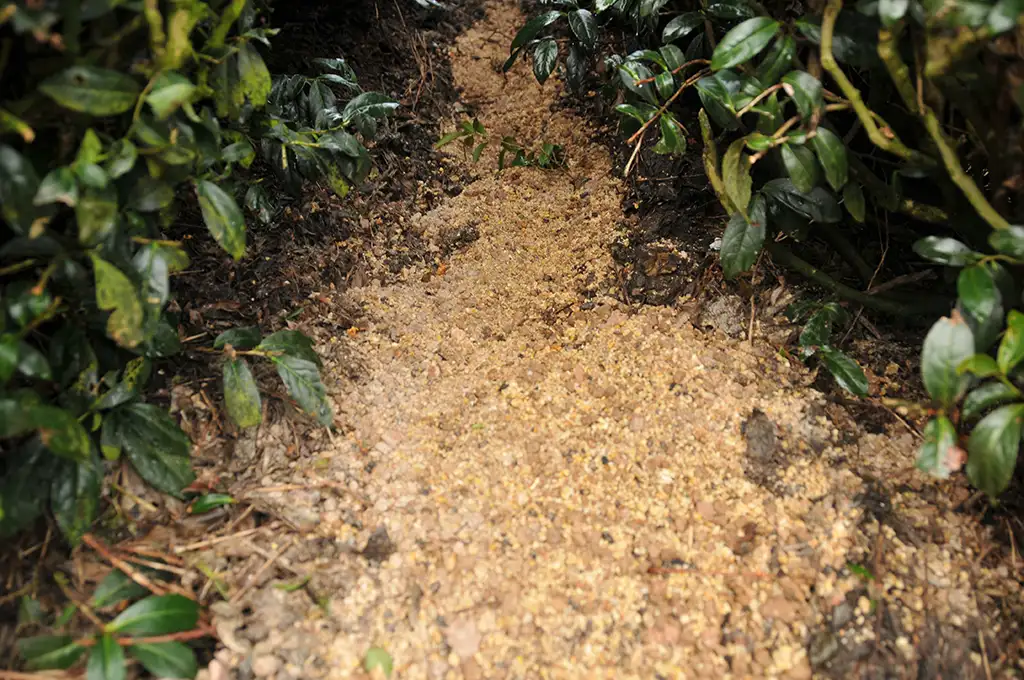
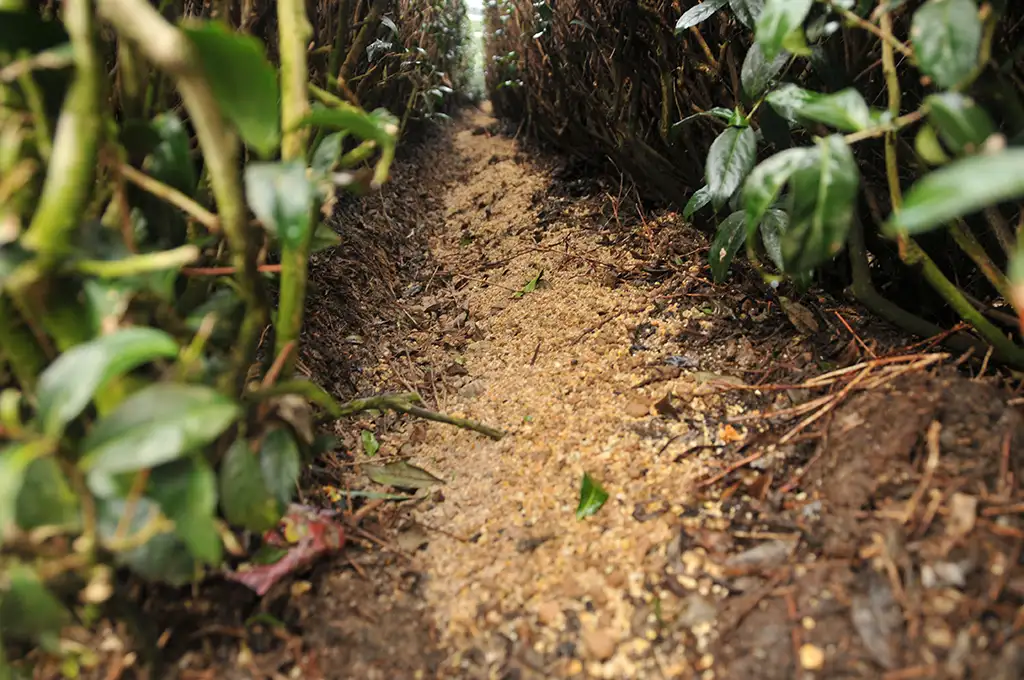
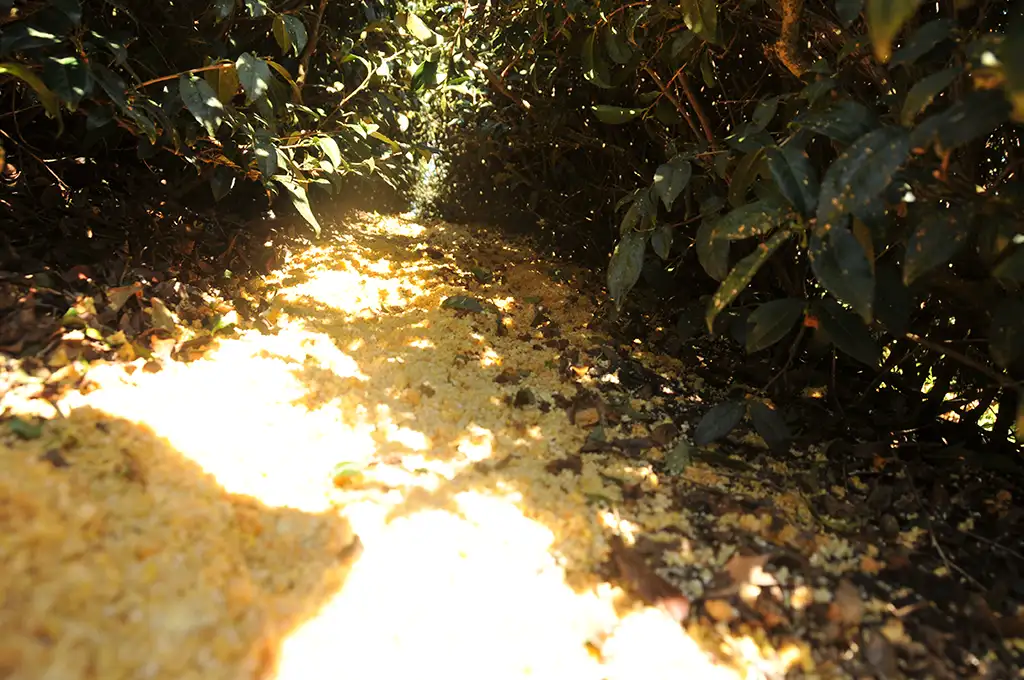
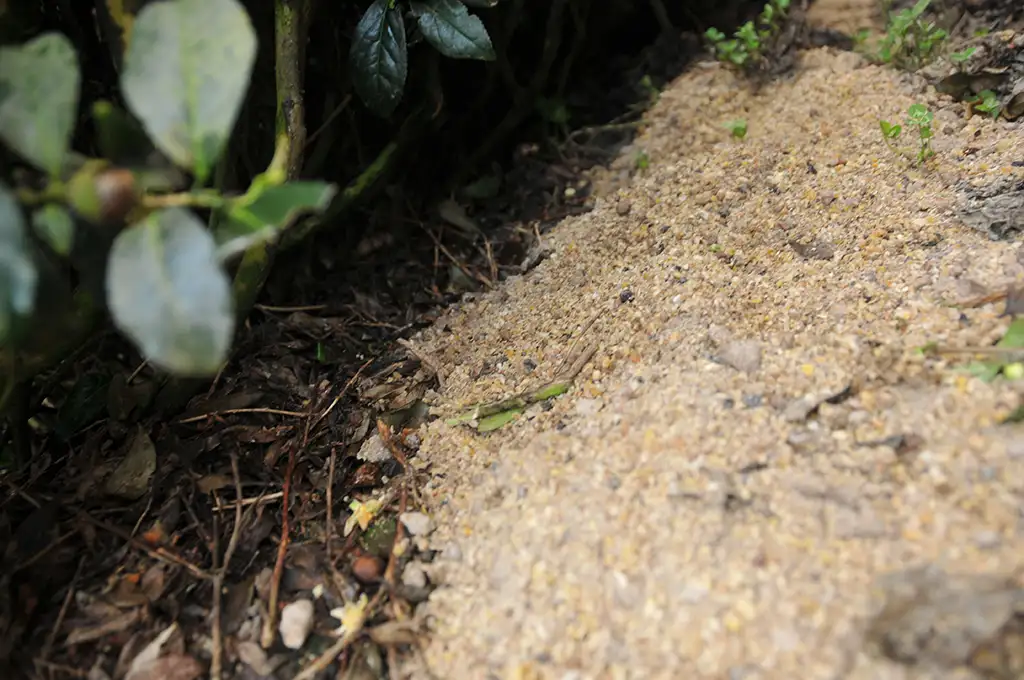
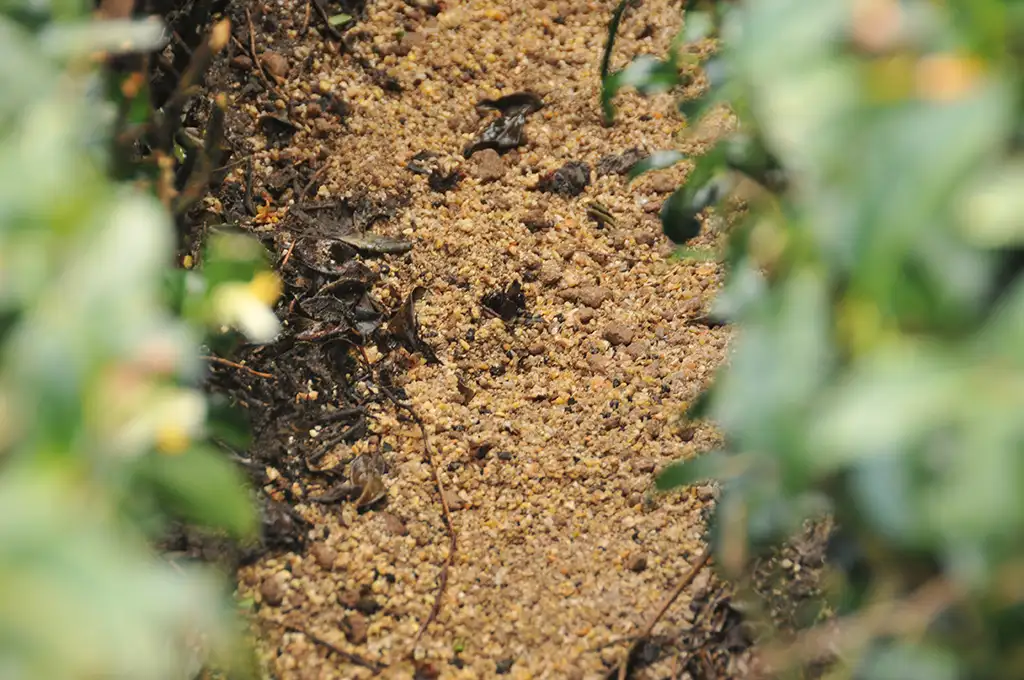
With about three to four months to go before the 2025 spring tea harvest, let’s take a look at how top-tier high mountain tea plantations handle fertilization. Just look at how thick that layer of fertilizer is. To borrow a saying from local tea farmers, “lay it on thick and do it right” and “never skimp on fertilizer costs“—that’s how you realize why, despite all high mountain teas looking the same on paper, certain plantations simply produce much better quality.