Qingxin Oolong vs. Sijichun Tea: Differences and Characteristics

Qingxin Oolong and SiJiChun are among the top 3 tea varietals in Taiwan by production volume, and both are very popular in the tea world. But what are the differences between them? If you’re wondering which tea to buy, this article will help you understand the characteristics and differences of these two tea varietals.

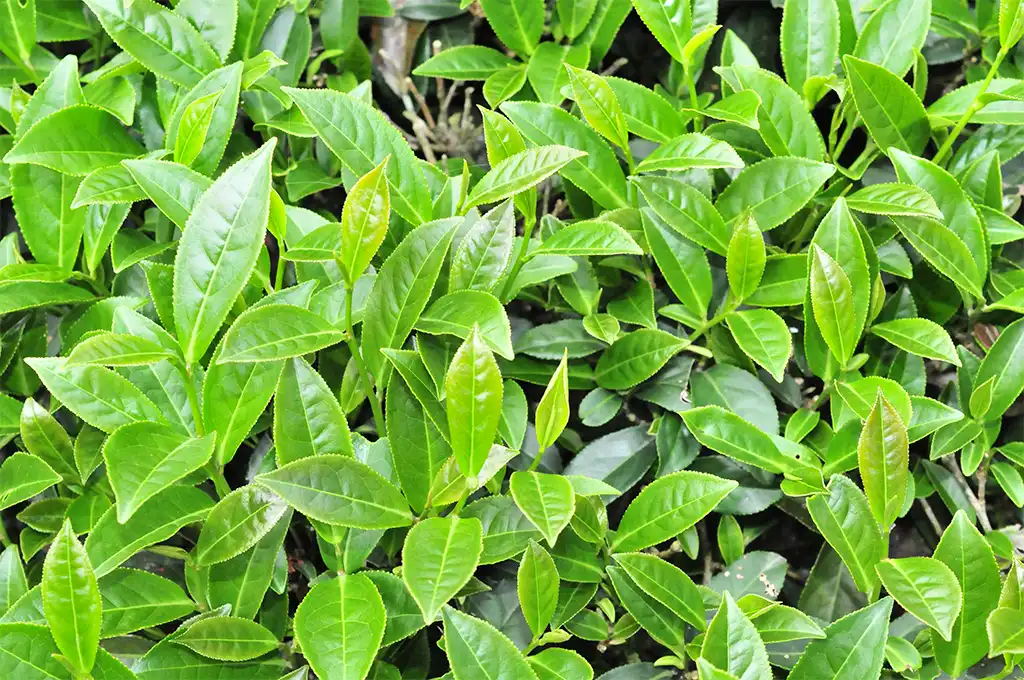
A Qingxin Oolong tea plantation

Differences and Characteristics of Qingxin Oolong and SiJiChun

CategoryQingxin OolongSiJiChun
OriginAnxi, Fujian, ChinaMuzha, Taipei City, Taiwan
Suitable TeasBaozhong, Dong Ding Oolong, High Mountain Oolong, Lightly Fermented OolongLightly Fermented Oolong Tea
YieldLow, harvested 2-4 times a yearHigh, harvested 6-7 times a year
Leaf TypeSmall-leaf varietalSmall-leaf varietal
Early/Late SproutingLate-sprouting varietalEarly-sprouting varietal
Main Producing RegionsLowlands to tea regions at 2,500 meters altitudeLow-to-medium altitude tea regions below 500 meters
Flavor ProfileOrchid aroma / fruity notes, delicate textureGentle taste, gardenia / white ginger lily aroma
Price RangeHigherMid to low range
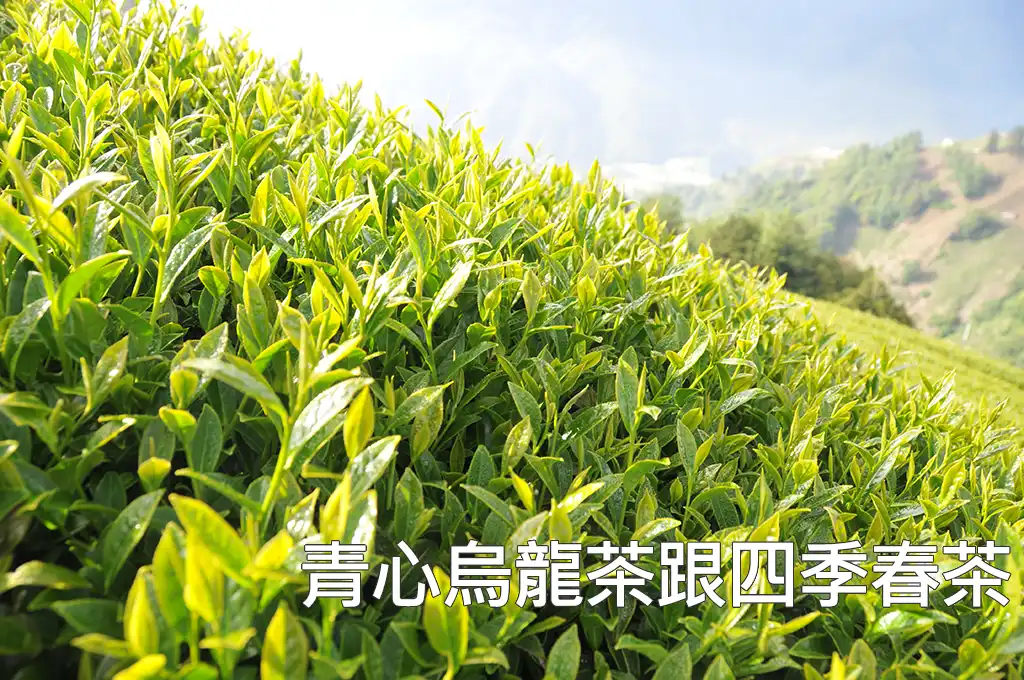
Sijichun tea plantation

Due to its affordable price, SiJiChun is also commonly used as a base tea for bubble tea and shaken beverages. However, a low price doesn’t mean poor quality; it’s mainly due to its higher yield. In contrast, Qingxin Oolong has a lower yield, but it shares the characteristic of higher altitude equalling better quality. Therefore, high-altitude Qingxin Oolong accounts for over 90% of production in those regions, and the higher the altitude, the greater the share.

Both of these tea cultivars are exceptional in terms of yield and quality. Easily found in tea shops and bubble tea stores, be sure not to miss out on these two fine Taiwanese teas.

Shopping Cart