The Advantages of Qingxin Oolong: Why It’s the Most Popular Tea Cultivar

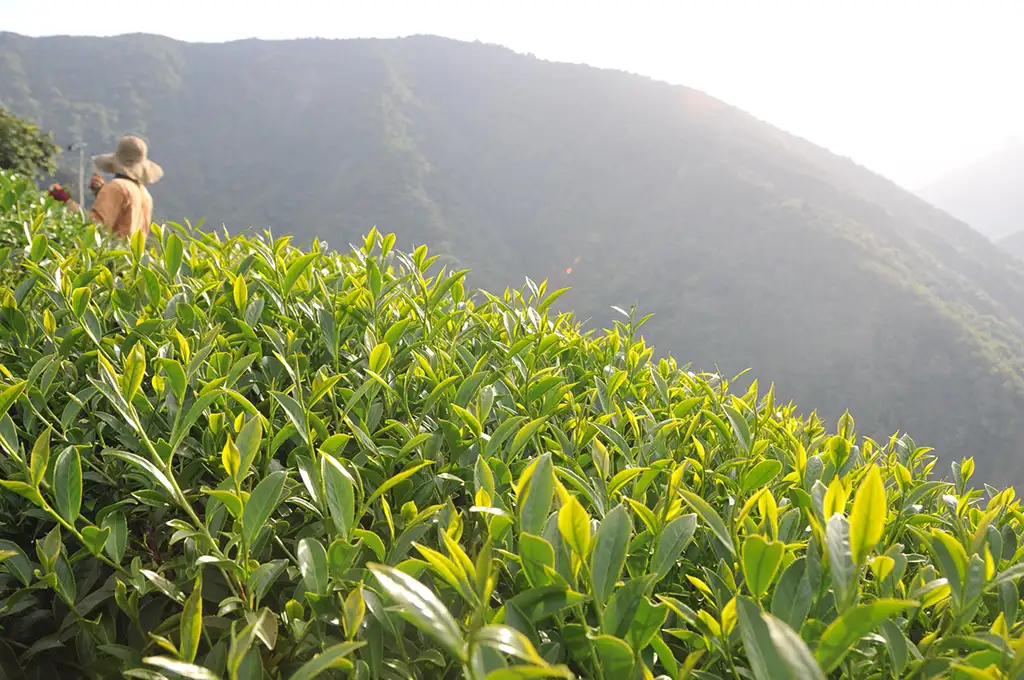
Despite its weaker growth and lower yield, Qingxin Oolong remains Taiwan’s most economically valuable tea plant. This is due to its delicate tea character and rich aroma, which produce exceptional oolong tea and make it widely cultivated from the plains all the way up to high mountain regions.

Advantages of the Qingxin Oolong variety

Characteristics of High-Altitude Qingxin Oolong

Another distinct feature of Qingxin Oolong is how differently it grows at high versus low altitudes. When planted in high mountains above 1,000 meters, its vigor and yields improve significantly, approaching the production levels of TTES No. 12. Furthermore, as the altitude increases, Qingxin Oolong develops thicker leaf flesh to withstand cold winds, which further enhances its aroma and tea quality.

Because its quality and yields improve in high-altitude areas, over 95% of Taiwan’s High Mountain Tea grown above 1,000 meters consists of Qingxin Oolong, with the proportion increasing at even higher elevations.

Advantages of the Qingxin Oolong variety

Current Cultivation Status of Qingxin Oolong

In mid- to low-altitude tea regions, Qingxin Oolong still accounts for more than half of all cultivation, though the gap with newer cultivars like JinXuan and Sijichun is narrowing. At elevations above 1,000 meters, roughly 95% or more is Qingxin Oolong. Above 1,500 meters, that figure exceeds 97%. Aside from small amounts of Tieguanyin, Yingxiang, and JinXuan, ultra-high-altitude tea gardens are almost exclusively planted with Qingxin Oolong.

Shopping Cart