Winter Fertilization Journal: How is Great Tea Made?

How is the finest high-mountain tea grown? Why is it that two high-mountain teas can have such wildly different qualities? Let’s take a look at how fertilizer types, application amounts, and fertilization methods influence the aroma and texture of tea leaves~

Winter fertilization log - How great tea is made

What are the good types of fertilizers?

There are many types of fertilizers used for high-mountain tea, commonly including soybean meal, peanut meal, sesame meal, chemical fertilizers, and manure.

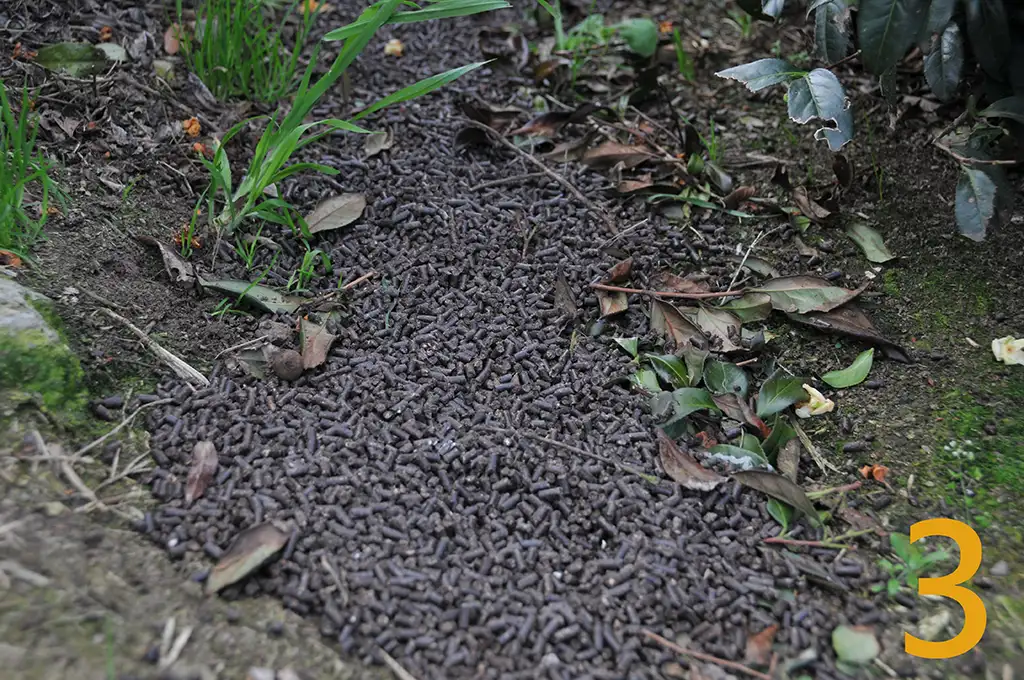
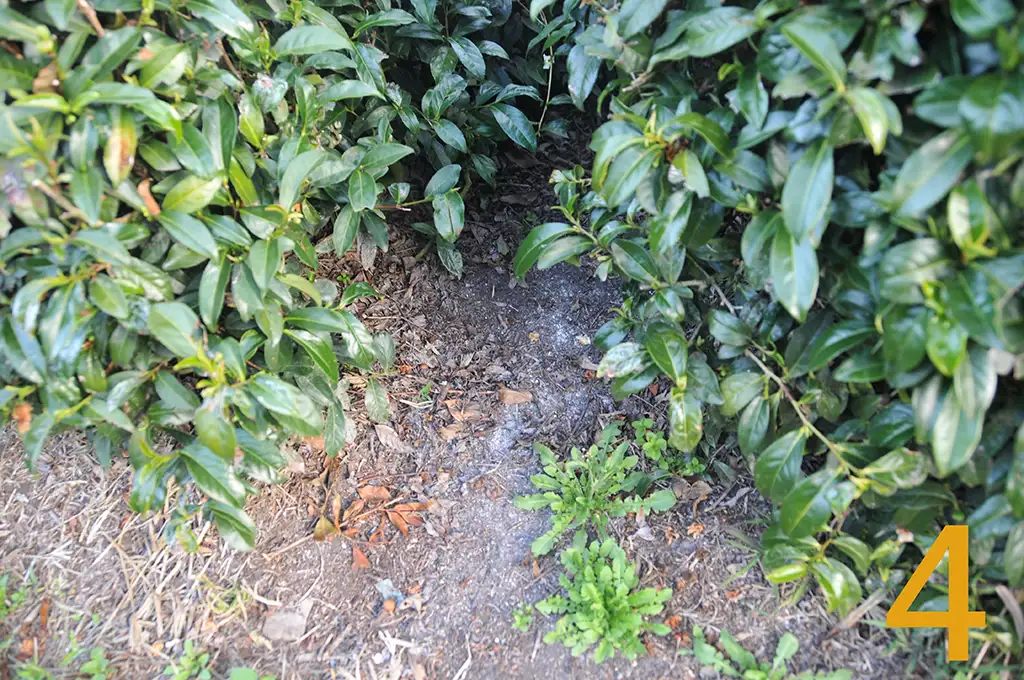
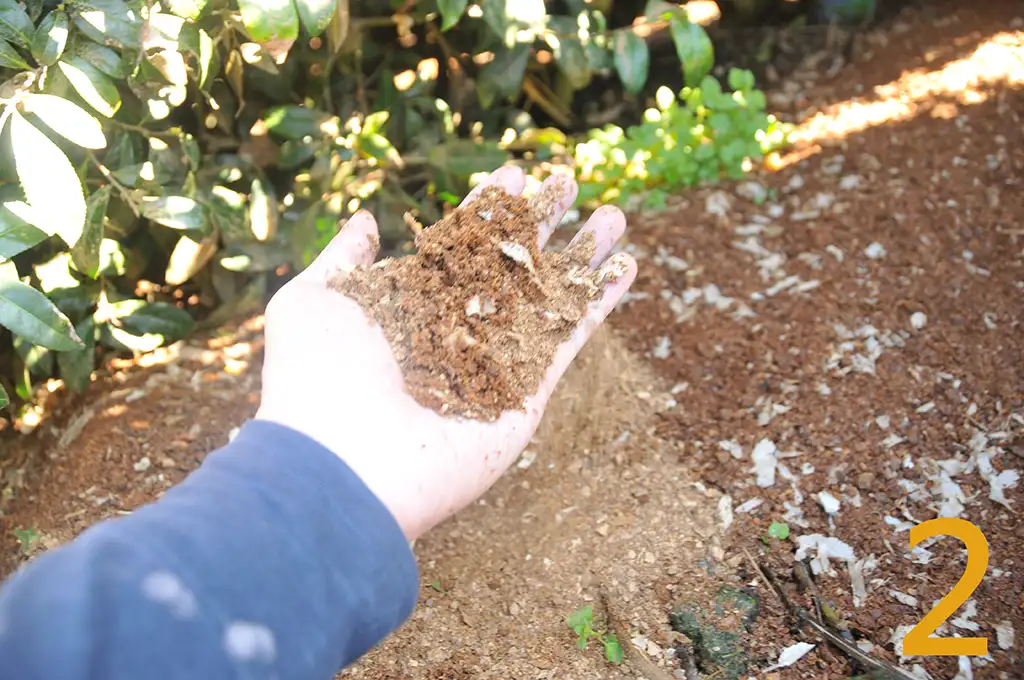
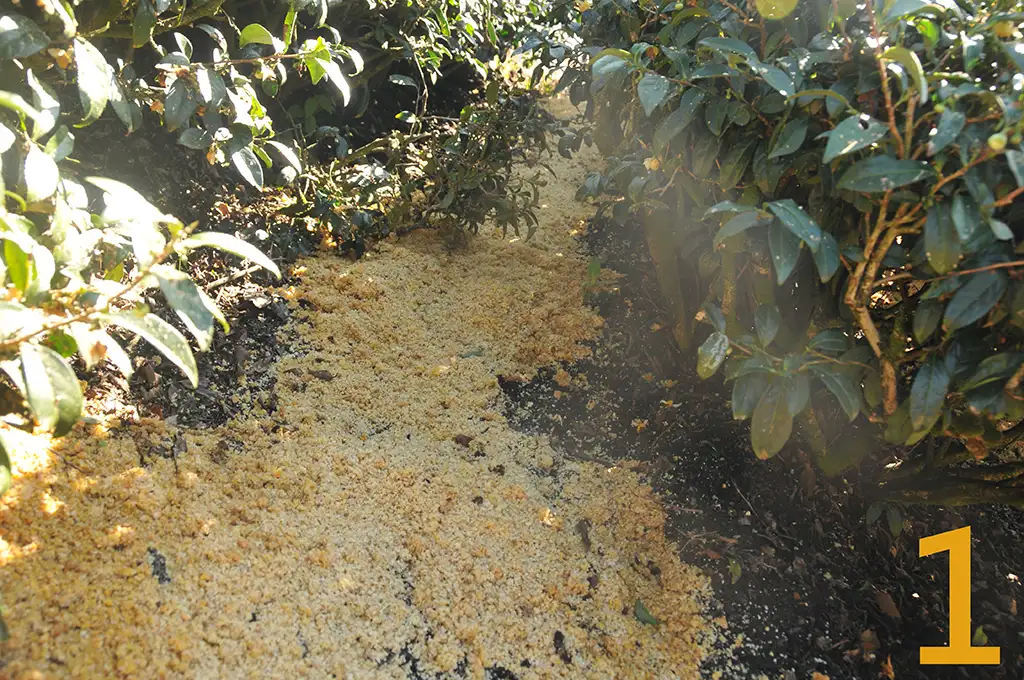
The best fertilizers are meal-based ones like soybean meal and peanut meal (Photos 1 and 2). They offer excellent nutrient absorption rates and are great for the health of both the tea trees and the soil, with the only drawback being their high cost. Manure and chemical fertilizers are also common (Photo 4); their advantages are strong fertility, high yields, and low prices, but their downsides are weaker tea aroma and less refined texture.

Winter fertilization log: how great tea is made

The difference in fertilizer application amounts

Because meal-based fertilizers are expensive, tea farmers have to watch every penny when fertilizing. With the pandemic and inflation in recent years, a bag of soybean meal fertilizer has risen to nearly NT$700, leading some tea farmers to cut back on usage, which ultimately results in a drop in quality. However, other tea farmers insist on applying “generous amounts,” and the tea they produce is rich, full-bodied, and delicious. As seen in Photos 1 and 2, a thick layer of soybean meal fertilizer like this is essentially a guarantee of great tea.

Winter fertilization log: how great tea is made

The impact of fertilization methods

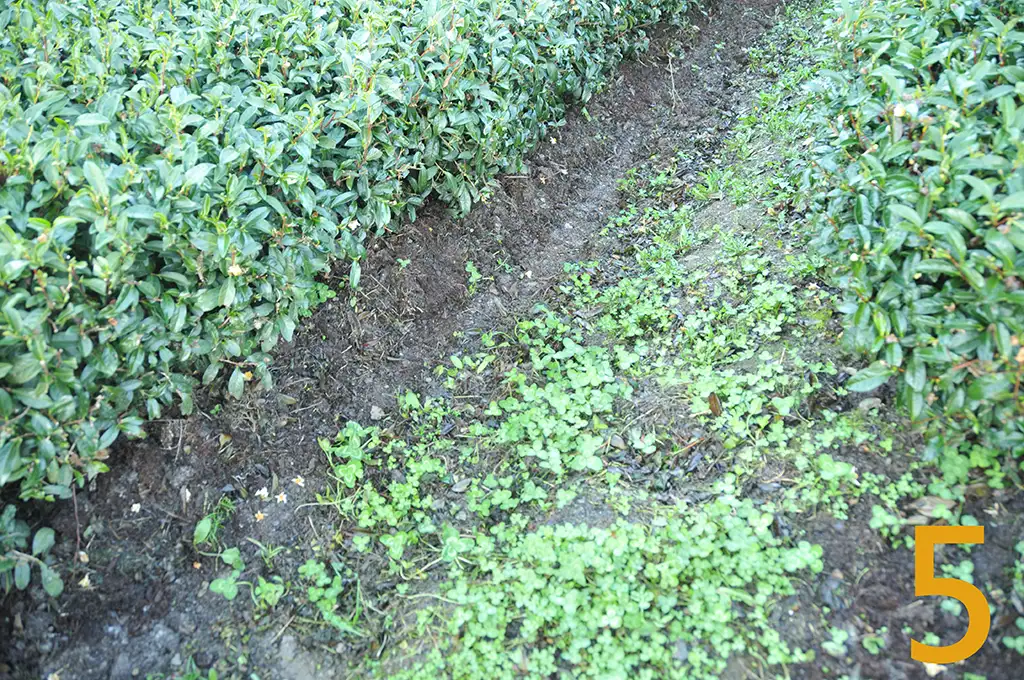
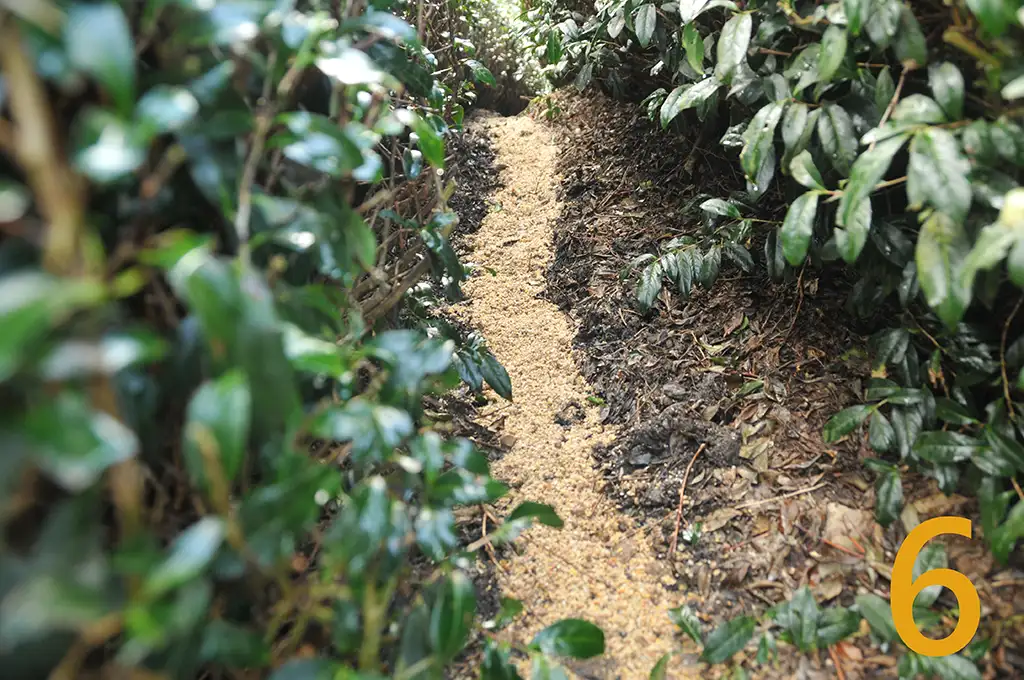
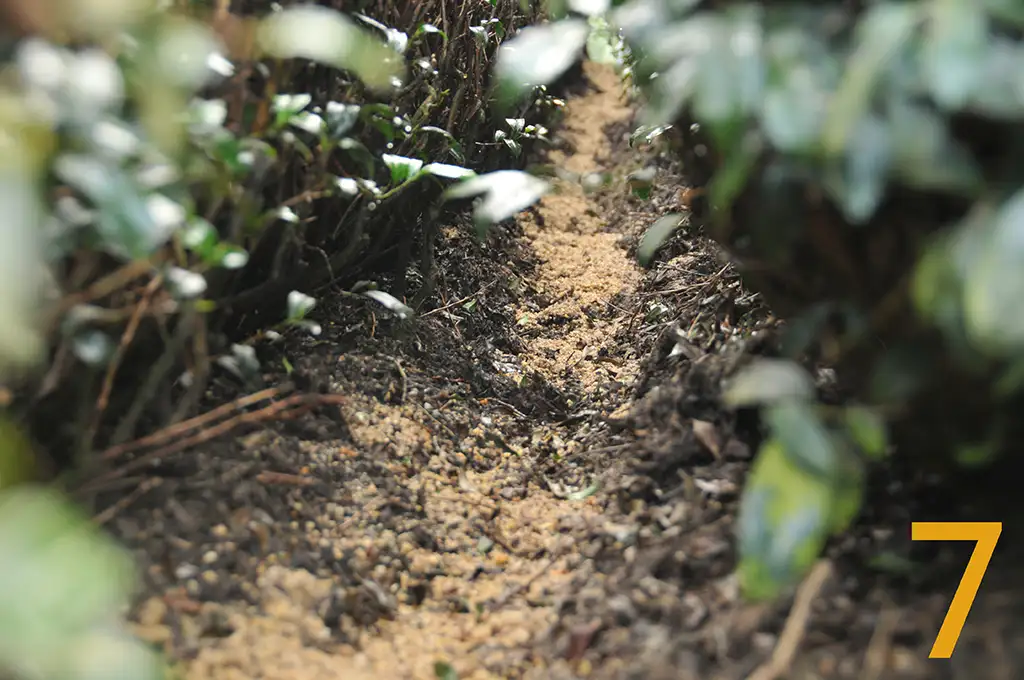
The method of fertilizer application is also crucial. Well-managed tea plantations will first dig trenches (Figure 5) then apply fertilizer (Figure 6), and till the fertilizer into the soil (Figure 7). Aside from reducing fertilizer runoff and increasing absorption efficiency, turning the soil also improves its aeration. Healthy soil keeps the tea trees from getting sick easily, ultimately taking the finished tea to the next level!

Winter fertilization log: how great tea is made

Crucial to the quality of spring tea, I’ve made several trips to the tea-growing regions over the past few days to observe how tea farmers fertilize their fields. Don’t assume that all high-mountain tea plantations use top-tier fertilizers; in reality, the differences between farms in this regard are quite significant. Even in high-priced regions like Lishan, many tea gardens are quite casual with their fertilizer choices, which is precisely why the quality of high-mountain tea varies so dramatically.

This time, I’ve discovered quite a few premium tea gardens that are exceptionally generous with their fertilization, ensuring the spring tea quality will be outstanding. Stay tuned!

Shopping Cart