
Taiwan high mountain teas are known for their rich aroma and distinct mountain character. Lishan tea, Alishan tea, ShanLinXi tea, and Dayuling tea are the most renowned origins, each with its own traits and distinct qualities. Let’s take a closer look at these four special Taiwanese high mountain teas:
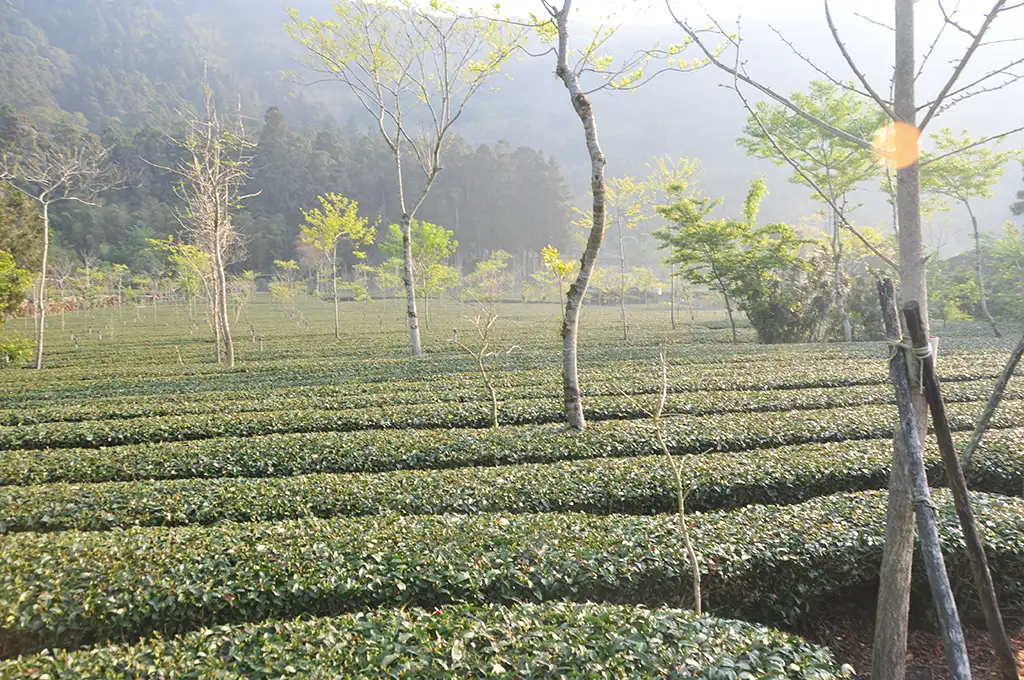
Characteristics of Lishan Tea / Alishan Tea / ShanLinXi Tea / Dayuling Tea
| Origin Environment | |
|---|---|
| Lishan Tea | Located in the Lishan area of Taichung City, at an altitude of 1,450 to 2,490 meters, it is the highest average altitude tea-producing region in Taiwan. Lishan features wide temperature fluctuations between day and night, slow tea tree growth, and low humidity. |
| Alishan Tea | Located across Zhuqi Township, Meishan Township, Alishan Township, and Fanlu Township in Chiayi County, at an altitude of 1,000 to 1,600 meters. The climate is mild and stable. |
| ShanLinXi Tea | Mainly located in Zhushan Township, Nantou County, with parts in Lugu Township and Gukeng Township, Yunlong, at an altitude of approximately 1,000 to 1,950 meters. The climate is cool with frequent mists. |
| Dayuling Tea | The production area is located along the Central Cross-Island Highway between 100 km and 105 km in Nantou County. It was historically Taiwan’s highest tea-producing region, reaching up to 2,650 meters, but due to soil and water conservation efforts in 2015 resulting in the removal of many tea gardens, the altitude now ranges from 2,000 to 2,400 meters, with only three tea gardens remaining. Extremely high altitude, extreme temperature swings, and a very distinct mountain energy. |
| Tea-Making Environment | |
|---|---|
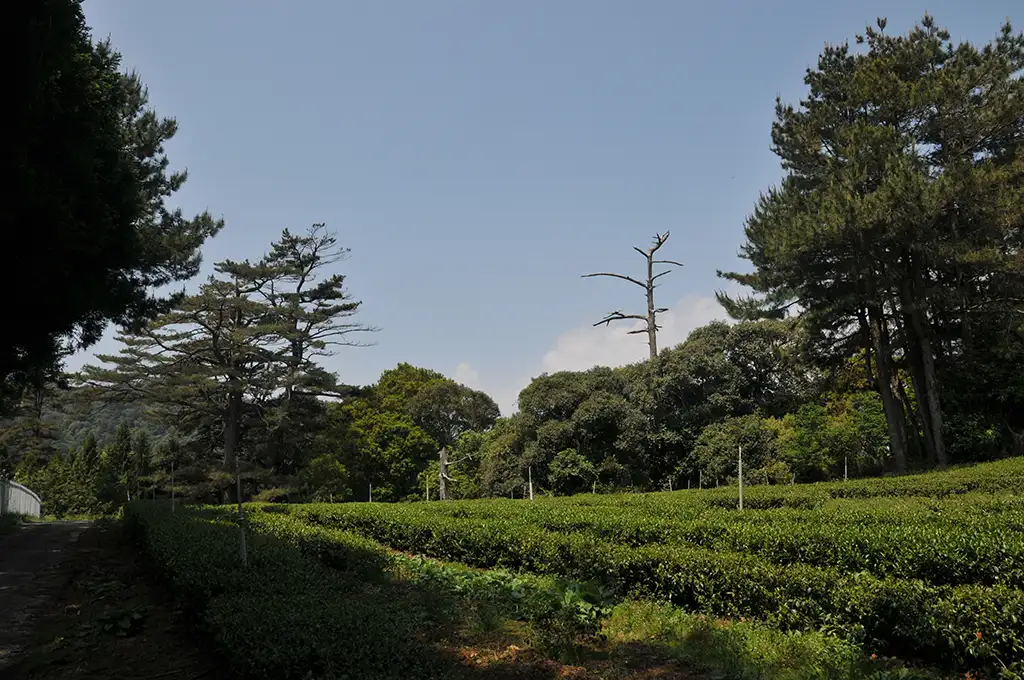
| Lishan Tea | The northernmost and highest-altitude region among the four major tea areas. This region experiences extreme day-to-night temperature variations, low humidity, and abundant sunshine, offering arguably the finest tea-making environment in Taiwan. |
| Alishan Tea | Spanning townships such as Zhuqi, Meishan, Alishan, and Fanlu, it boasts the largest production volume and the widest variety of tea cultivars. As the southernmost of the four major tea regions, its tea production is highly consistent. |
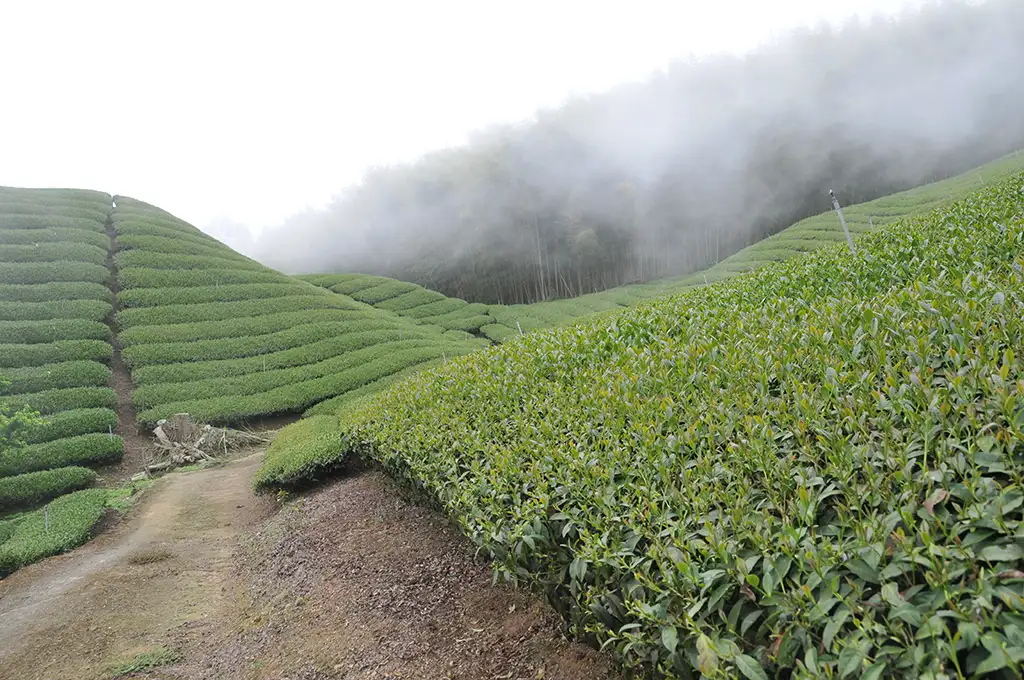
| ShanLinXi Tea | Mainly situated in Zhushan Township, the area is enveloped in clouds and mist with high humidity, causing the tea leaves to grow slowly and develop a unique aroma. Production is substantial, though consistency can be lower than other regions; under favorable weather conditions, it has the potential to rival Lishan in quality. |
| Dayuling Tea | The tea gardens formerly reached an altitude of 2,650 meters, yielding leaves with an exceptional high mountain character. Although the altitude has now dropped to 2,400 meters, its flavor profile remains the finest among high mountain teas, representing the absolute ceiling of tea-making quality. |
| Tea Prices | |
|---|---|
| Lishan Tea | Spring & Winter harvest: NT$3,200–NT$8,000 per 600 g. Autumn harvest: NT$2,200–NT$3,600 per 600 g. |
| Alishan Tea | Qingxin Oolong (Spring & Winter): NT$1,600–NT$2,600 per 600 g. Autumn harvest: NT$1,000–NT$1,600 per 600 g. JinXuan Tea: NT$800–NT$1,600 per 600 g. |
| ShanLinXi Tea | Spring & Winter harvest: NT$1,600–NT$3,000 per 600 g. Autumn harvest: NT$1,000–NT$1,800 per 600 g. |
| Dayuling Tea | Spring & Winter harvest: NT$9,000–NT$12,000 per 600 g. Autumn harvest: NT$4,000–NT$6,000 per 600 g. |
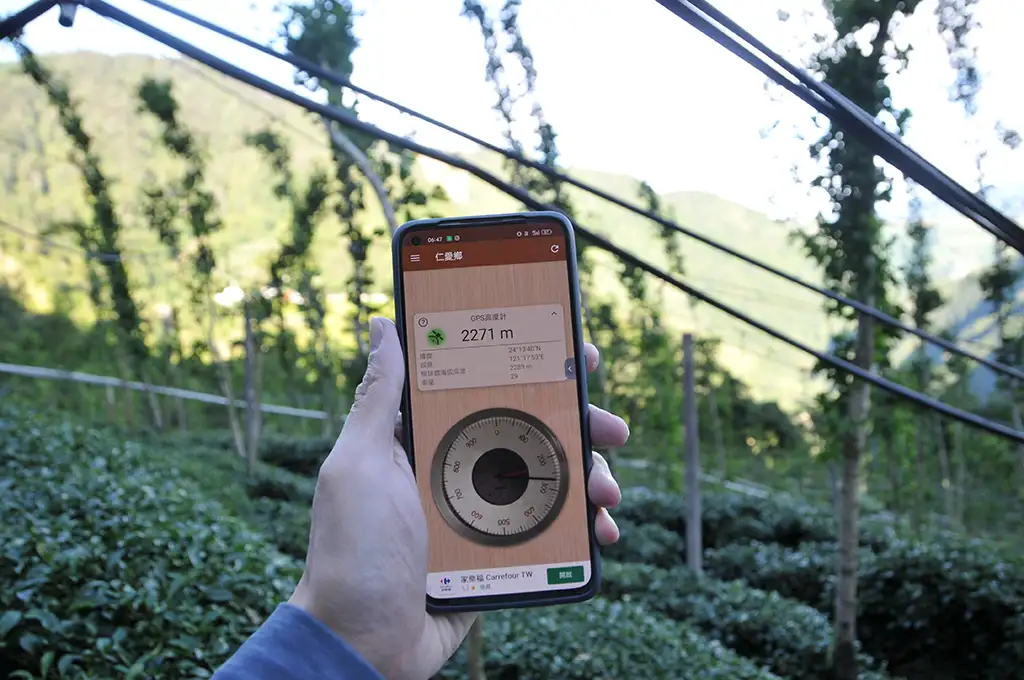
Lishan Tea, Alishan Tea, ShanLinXi Tea, and Dayuling Tea each possess their own unique character and positioning. Lishan Tea falls into the premium price tier, while Alishan Tea is comparatively accessible. ShanLinXi bridges the gap between the two, and Dayuling, with its limited yield, commands the highest price point and top-tier quality. (Images in order: Alishan Dinghu, ShanLinXi Fanzitian, Lishan Fushou Mountain Farm, Dayuling)