
Is Shuixian tea green tea? Shuixian is a “tea plant variety name.” Theoretically, it can be made into black tea, green tea, oolong, white tea, or even Pu-erh tea. However, due to the adaptability of the variety, the vast majority of it is processed into oolong tea, such as the most common Wuyi Shuixian tea, which is an oolong tea.
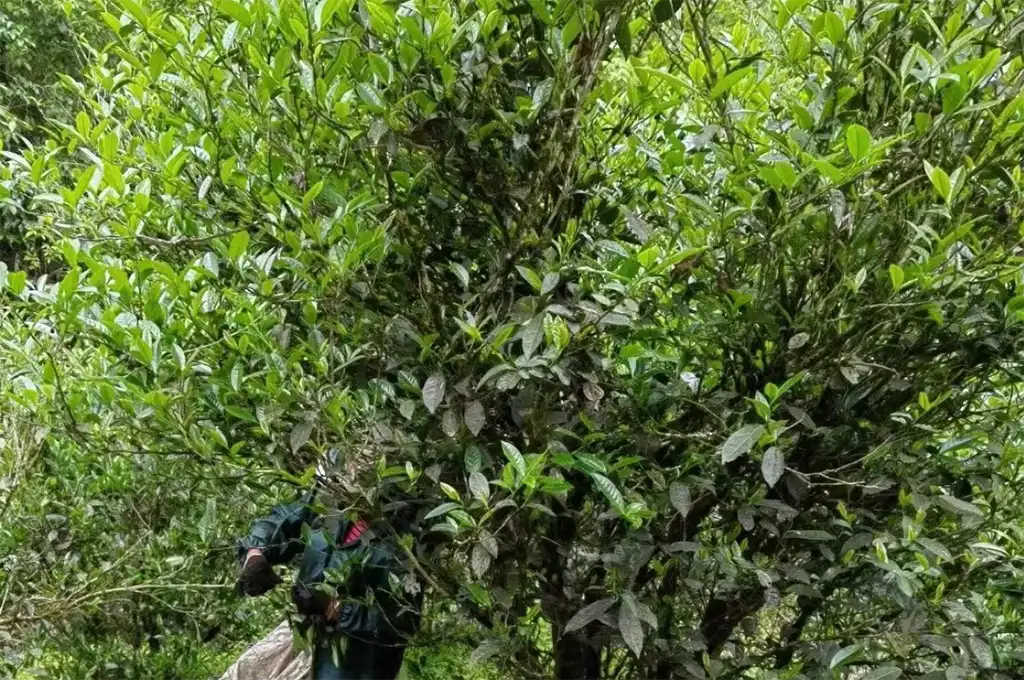
Is Shuixian tea green tea? What is Shuixian tea?
Shuixian tea is a tea plant variety native to northern Fujian. Records of this variety already existed more than a thousand years ago in Jianyang and Jian’ou, and artificial cultivation began during the Kangxi reign of the Qing Dynasty over 300 years ago. Modern Shuixian tea is mainly produced in four regions in Fujian, China: Jian’ou, Jianyang, Wuyishan, and Zhangping. In addition, Shuixian tea is also cultivated in Taiwan.
Shuixian is not green tea, black tea, or oolong tea; “it is a tea plant variety name.” It can be made into any type of tea, but its aroma and mellow flavor are so exceptional that making it into oolong tea best highlights its advantages. Therefore, it is mostly used to produce oolong tea, such as the most common Wuyi Shuixian tea or Taiwan Shuixian Pouchong tea. Shuixian tea can also be made into green tea and black tea, though these are less common.
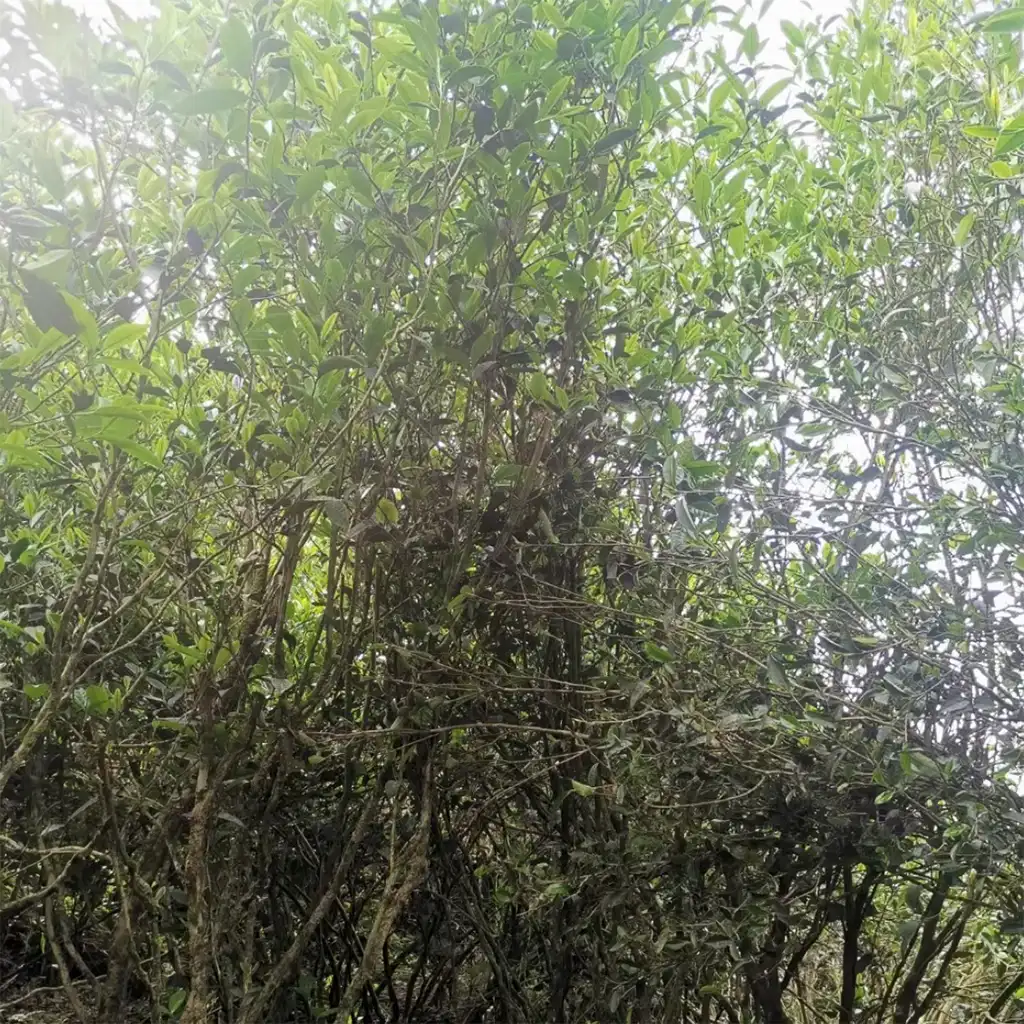
How to Tell if Shuixian Tea is Green, Black, or Oolong Tea
If the steps after harvesting Shuixian tea begin with fixation (kill-green), then it is made into green tea. If it undergoes withering followed by fixation after harvesting, it is oolong tea. If it is not subjected to fixation after harvesting, it is black tea. Other teas like white tea, dark tea, and yellow tea will not be elaborated on here, as they are also very rare in reality.
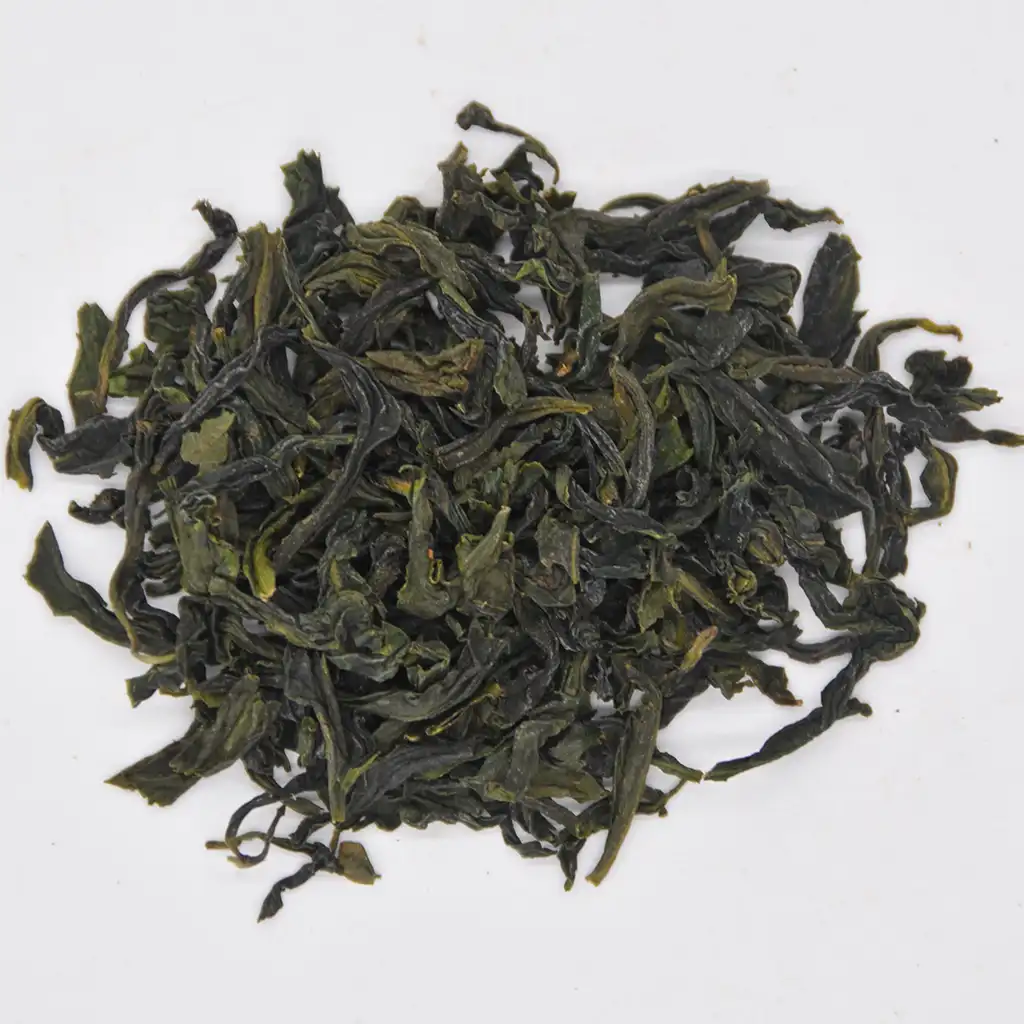
Characteristics and Current Production Status of Shuixian Tea
The tea leaves are plump and sturdy, with a greenish-brown, oily luster, a distinctive “orchid fragrance,” a rich and mellow taste, and a prominent throat finish. The tea stems are thick with long internodes, a high moisture content, and moisture that does not easily dissipate. In Taiwan, it is commonly used to make light-aroma Oolong tea. Because of its heavier leaf texture, it is more difficult to process, but the finished product boasts a soaring aroma and a full-bodied flavor (the image above shows Taiwan’s light-aroma Shuixian Oolong). Additionally, Zhangping Shuixian is a rare pressed tea style among Oolongs, compressed into a small square block, somewhat resembling Pu-erh tea, yet it still belongs to Oolong tea.
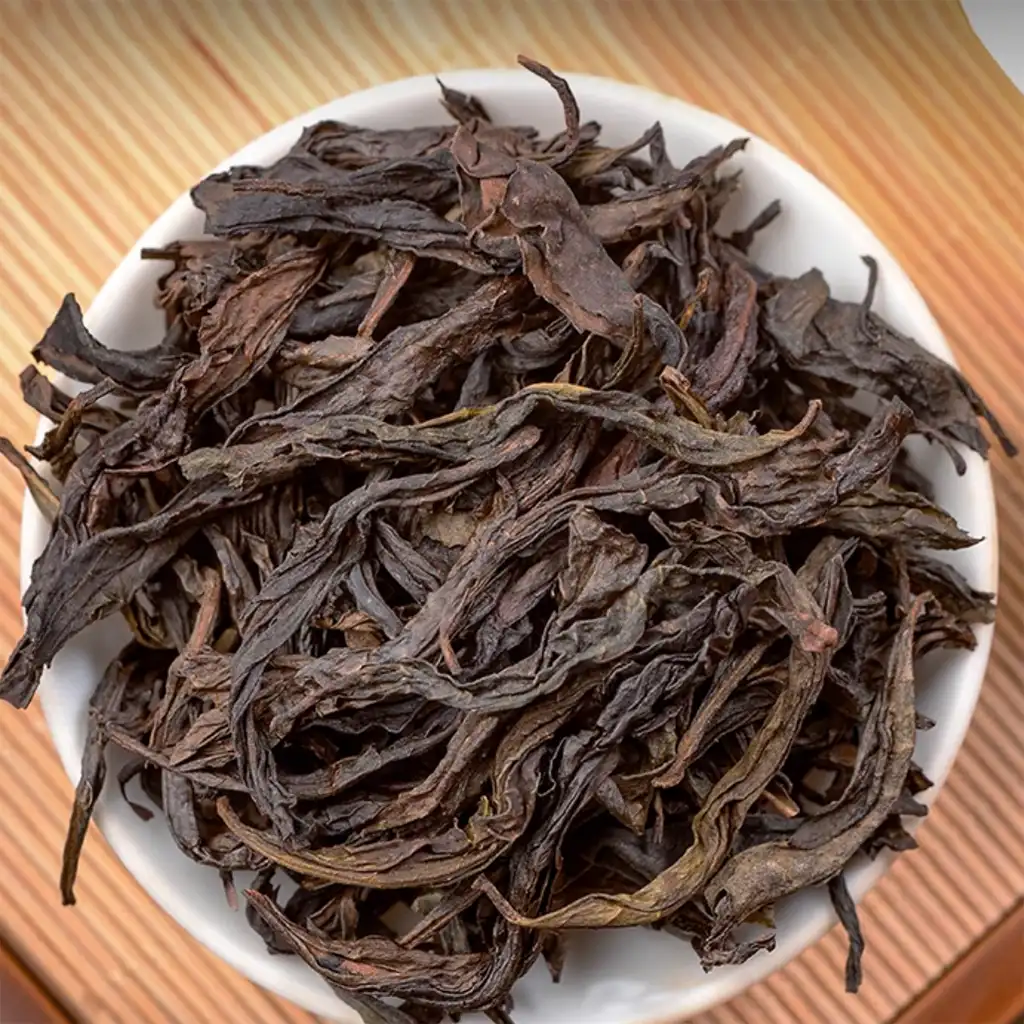
Wuyi Shuixian Rock Tea (the image above shows Shuixian Rock Tea) has a saying: “Nothing beats Rougui for fragrance, and nothing beats Shuixian for mellowness,” which highlights its deeply rich flavor. It is said that places like Huiyuankeng in Wuyishan feature “old-bush Shuixian” aged 80 to over 100 years. When crafted into rock tea, its mellow fragrance is said to be intensely captivating, attracting many collectors.
Read More:
- How to Brew Wuyi Rougui Tea: What Are the Key Tips?
- Is Shuixian Tea Green Tea? What Kind of Tea Is Shuixian?
- What Is the Difference Between Shuixian, Rougui, and Da Hong Pao in Wuyi Rock Teas?
- What Type of Tea Is Da Hong Pao? Is It Black, Green, or Oolong Tea?
- Where to Buy Da Hong Pao Tea? Is Da Hong Pao Produced in Taiwan?
- What Category of Tea Does Wuyi Rock Tea Belong To? Is It Puerh Tea?