
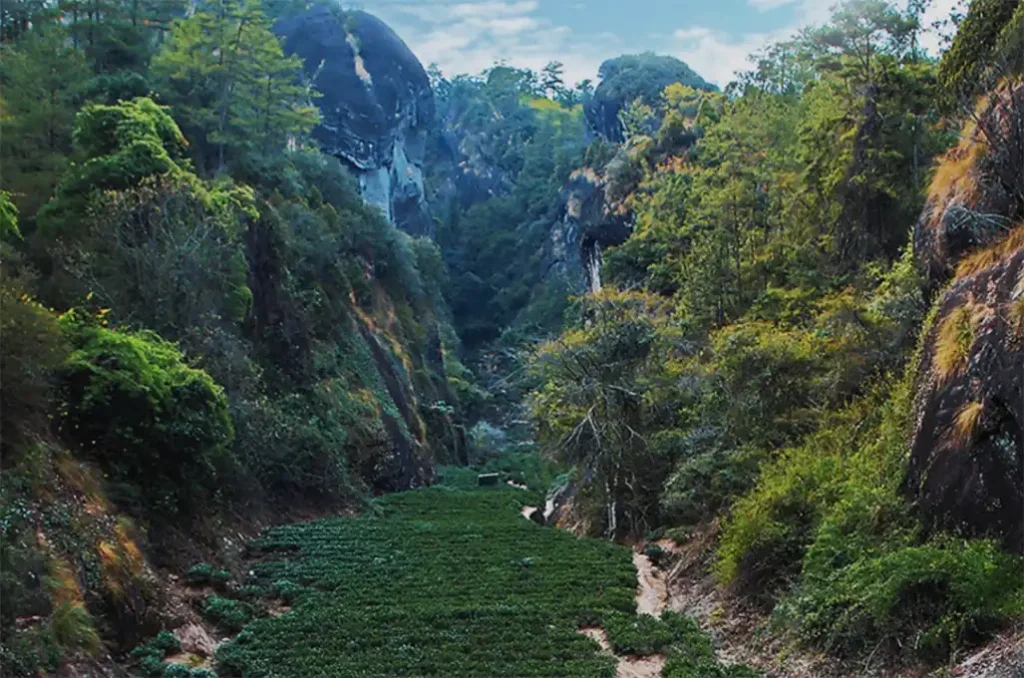
Huiyuankeng is located within the Wuyishan Scenic Area and is one of the region’s famous attractions, featuring sites such as Huiyuan Temple, Zhangtang Ravine, and Eagle Beak Rock. It is also one of the core production areas for Wuyi Yancha, renowned alongside Niulankeng, Daoshuikeng, Wuyuanjian, and Liuxiangjian, collectively known as the “Three Pits and Two Ravines.” Among these, Huiyuankeng Shuixian tea is particularly celebrated.
Huiyuankeng Shuixian Tea: Origin History and Characteristics
Huiyuankeng was originally named Huiwan. During the Tang Dynasty, it was renamed in honor of a famous master named Huiyuan who practiced meditation here. The local Fahua Temple was also renamed Huiyuan Temple because of him. Located on the northern side of Niulankeng, Huiyuankeng is the largest area among the “Three Pits and Two Ravines” and serves as an important production zone for Wuyi Yancha. It is home to rare and famous tea varieties such as Tie Luohan, Bai Jiguan, Bai Mudan, Zui Haitang, Bai Ruixiang, Zheng Taiyin, Zheng Taiyang, and Bujiantian, earning it the reputation of a ” botanical garden of famous cultivars.” Today, the tea trees in Huiyuankeng are predominantly Rougui and Shuixian, with old-bush Shuixian tea being the most widely recognized in the market.
Climate and Topography Characteristics
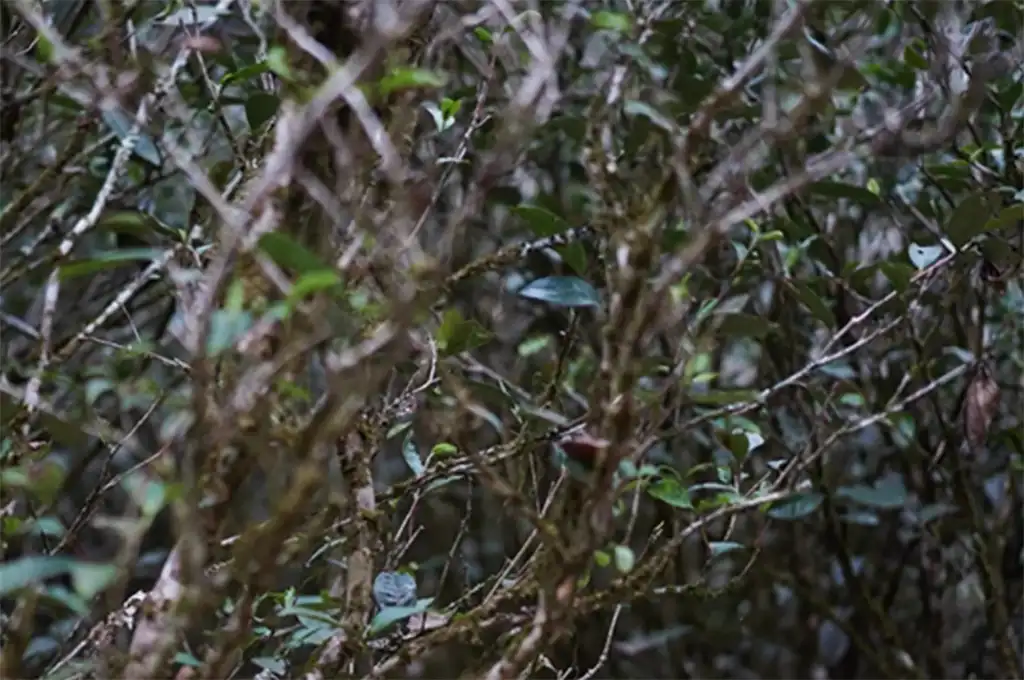
Wuyishan features a diverse tea terroir, with each area boasting its own unique microclimate. Huiyuankeng is the core zone of the Wuyi Yancha production area, blessed with excellent soil, a favorable ecological environment, and a natural microclimate that imparts a distinctive flavor to Huiyuankeng Shuixian tea.
Topographically, Huiyuankeng features a unique basin-like climate. The bottom of the basin is rich in water and soil, with a thick geological layer where weathered and eroded rocks have deposited an abundance of minerals. The soil is rich in gravel, loose, well-aerated, and nutrient-dense. This sunken topography retains a large amount of moisture, resulting in high air humidity, short sunshine hours, and heavy fog year-round. Winters are neither cold nor dry, but rather warm and humid with rare frost, providing an ideal overwintering environment for moisture- and warmth-loving tea trees.
Huiyuankeng Old-Bush Shuixian Tea
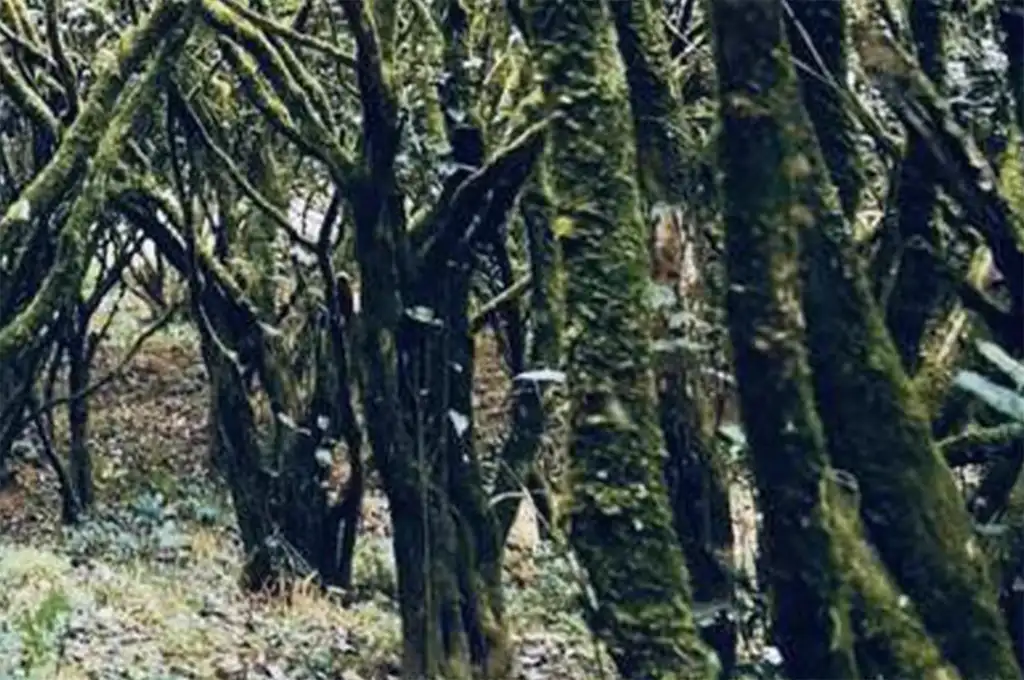
Huiyuankeng is most famous for its old-bush Shuixian tea. Most of the Shuixian tea trees here are aged high-bush plants of over 30 years, with quite a few exceeding 50 years. Huiyuankeng old-bush Shuixian is characterized by a pure mossy note and a mellow woody aroma. The tea liquor is rich, offering a stimulation to the palate that rivals Rougui tea.
These old-bush Shuixian tea trees sink their roots deep into the rich soil of Huiyuankeng, absorbing abundant minerals and nutrients. They are distinguished by a pronounced bush flavor blended with orchid-like floral aromas, yielding a thick, smooth, sweet, and delicious liquor. Huiyuankeng is also home to centenarian old-bush Shuixian trees; thanks to their deep root systems, these precious trees can extract even more nutrients from the soil, elevating the tea quality to exceptional heights.
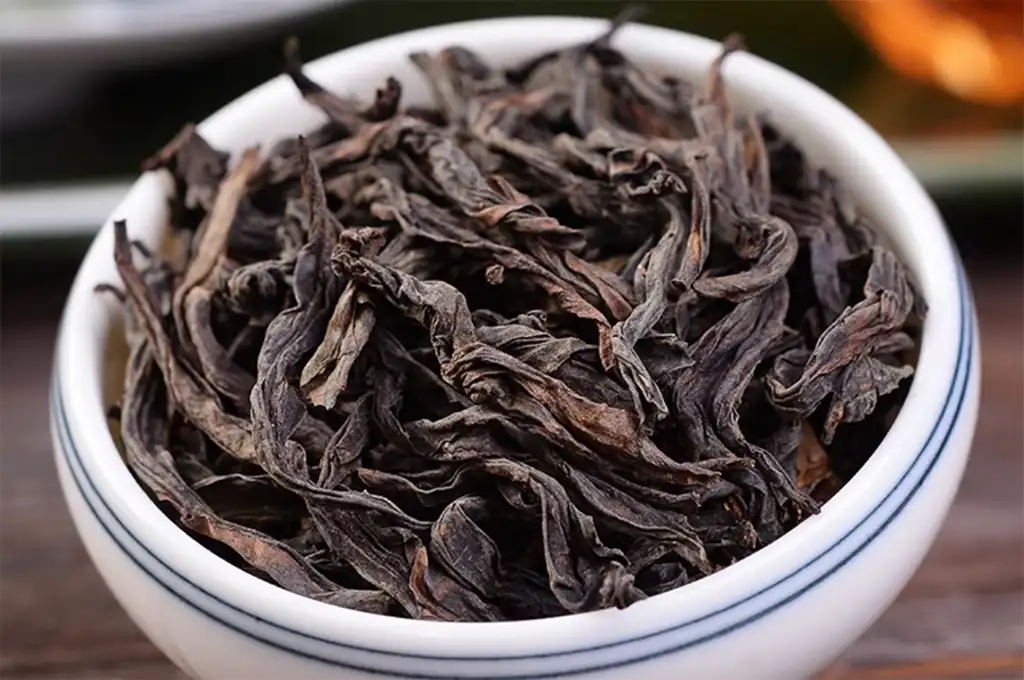
Wuyishan Huiyuankeng Shuixian tea has become a top-tier Wuyi Yancha due to its unique old-bush tea trees, exceptional climatic and topographical conditions, and outstanding quality. Old-bush Shuixian tea is extremely popular on the market, fetching thousands of RMB per 500 g, making it a premium selection among Wuyi teas.
Read more:
- How to Brew Wuyi Rougui Tea: What You Need to Know
- Is Shuixian Tea Green Tea? What Kind of Tea Is It?
- What Is the Difference Between Shuixian, Rougui, and Da Hong Pao in Wuyi Yancha?
- What Kind of Tea Is Da Hong Pao? Is It Black, Green, or Oolong Tea?
- Where to Buy Da Hong Pao Tea: Is It Produced in Taiwan?
- What Tea Category Does Wuyi Yancha Belong To? Is It Puerh Tea?