
Anji White Tea and Fuding White Tea are both famous Chinese teas, but they each have unique characteristics and significant differences in origin, production methods, appearance, and taste. Here is a breakdown of the differences between Anji White Tea and Fuding White Tea:
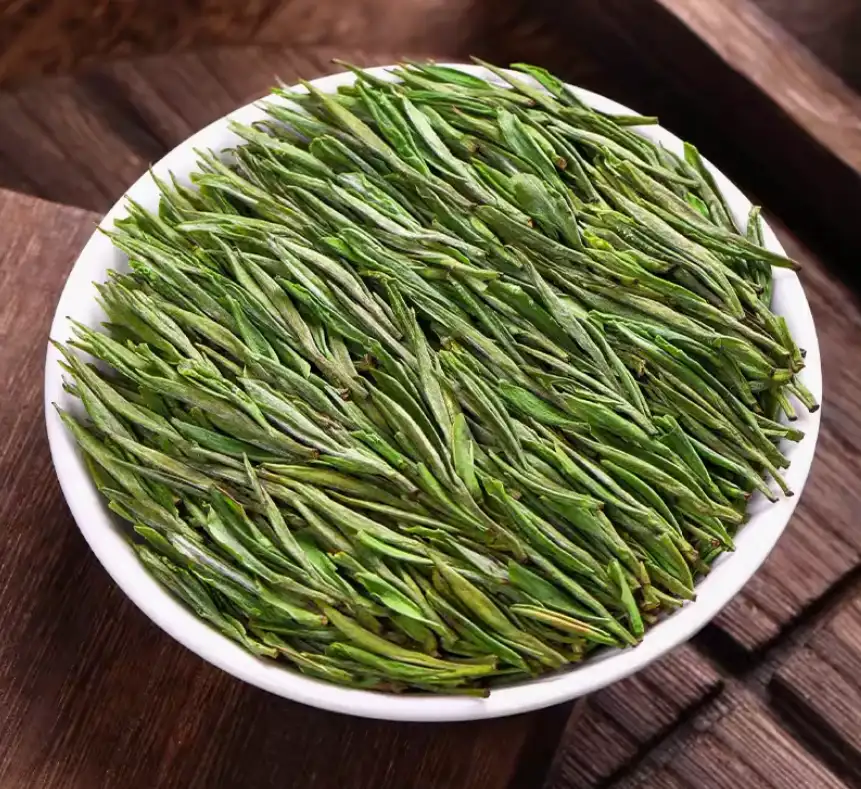
Differences Between Anji White Tea and Fuding White Tea
- Different Origins: Anji White Tea is mainly produced in Anji County, Huzhou City, Zhejiang Province, China. With a favorable climate and soil conditions, this area is exceptionally well-suited for tea plant growth. Fuding White Tea is produced in Fuding City, Fujian Province. Its natural environment provides superior growing conditions for tea plants, making it one of China’s primary production regions for white tea.
- Different Raw Materials: Anji White Tea is actually a specific variety of tea plant characterized by noticeably white leaves. The new leaves of this tea plant are white when they first sprout in spring and gradually turn green as temperatures rise. Its varietal traits make it exceptionally well-suited for making green tea. Fuding White Tea, on the other hand, is made from the young buds and leaves of Da Bai, Da Hao, and Narcissus (Shuixian) tea plants. The buds and leaves of these varieties are covered with a layer of white down (pekoe), which is also how Fuding White Tea got its name. Its varietal traits make it ideal for producing white tea. (The image above shows Anji White Tea)
- Different Production Methods: The production process of Anji White Tea primarily involves harvesting, withering (spreading), fixation (shaqing), rolling, and drying. Its craftsmanship falls under the category of green tea, yet its unique tea plant variety imparts a distinct flavor to the finished tea. Fuding White Tea has a relatively simple production process, mainly consisting of harvesting, withering, and drying, without undergoing rolling or fixation. This allows the tea leaves to retain more of their natural components and original flavor.
- Difference in Appearance and Taste: Anji White Tea features a tender green appearance, clear tea liquor, fresh aroma, and a refreshing, sweet taste with a distinct returning sweetness. Fuding White Tea has prominent white hairs (pekoe) on its leaves, a pale yellow or golden liquor, a subtle and elegant aroma with a unique pekoe scent, and a smooth, naturally sweet flavor. Because it undergoes no pan-firing or rolling, Fuding White Tea offers an even more natural and pure infusion. (The image below shows Fuding White Tea’s Silver Needle / Baihao Yinzhen)
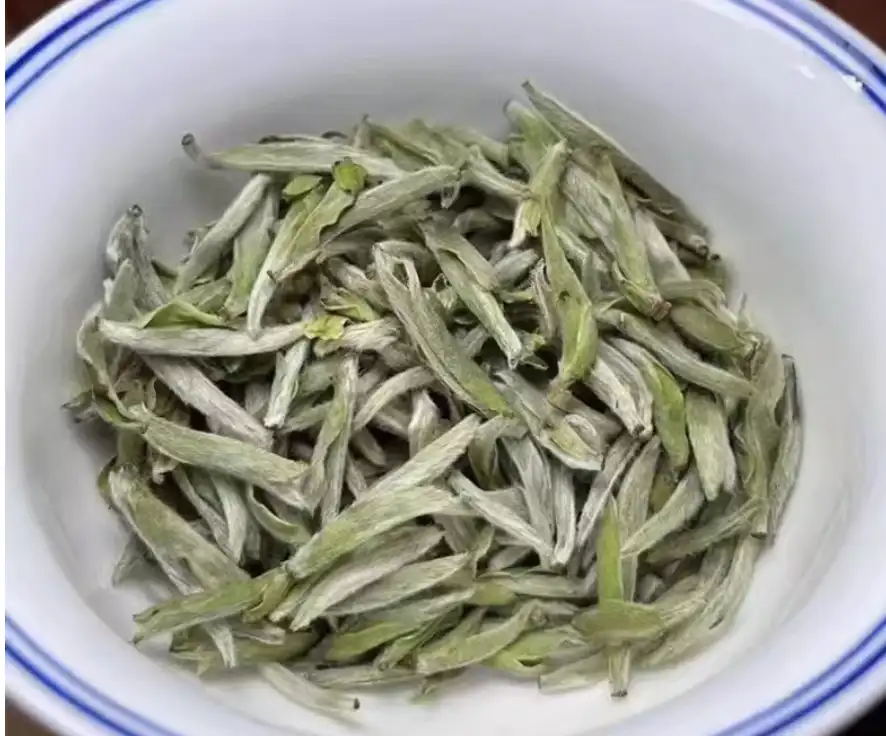
Which is better: Anji White Tea or Fuding White Tea?
Although they have similar names, Anji White Tea and Fuding White Tea differ significantly in origin, raw materials, production methods, and taste. Anji White Tea is actually a green tea, known for its fresh and crisp flavor profile; Fuding White Tea is a true white tea, widely loved for its natural and delicate characteristics. Neither is objectively better than the other—it simply comes down to choosing the right tea for your personal preference.