A tea friend from overseas asked: What exactly is Dayuling tea? I’ve heard it’s Taiwan’s most famous and most expensive tea—what makes it so special, and why does everyone seem to be selling it?
What is Dayuling Tea?
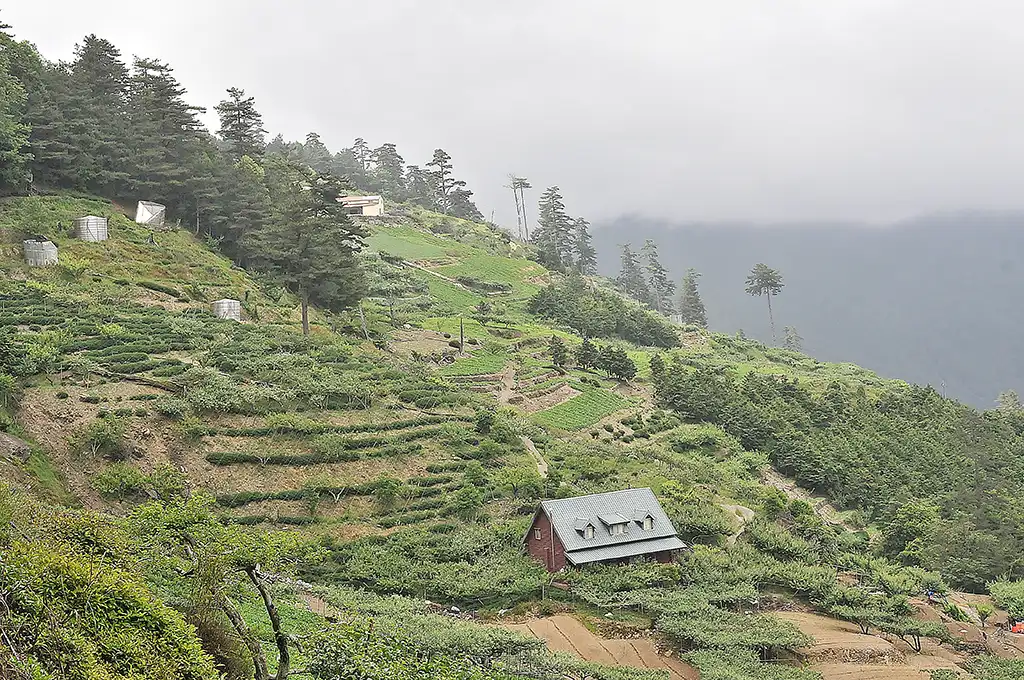
Literally speaking, people assume that “Dayuling tea” refers to tea leaves produced in Dayuling. In reality, that’s not quite accurate. The “Dayuling tea region” located between the 100km and 105km markers of the Central Cross-Island Highway is actually an area called “Songquangang,” while the actual Dayuling is located 5 kilometers away. Calling it the Dayuling tea region is simply a long-standing convention within the tea industry.
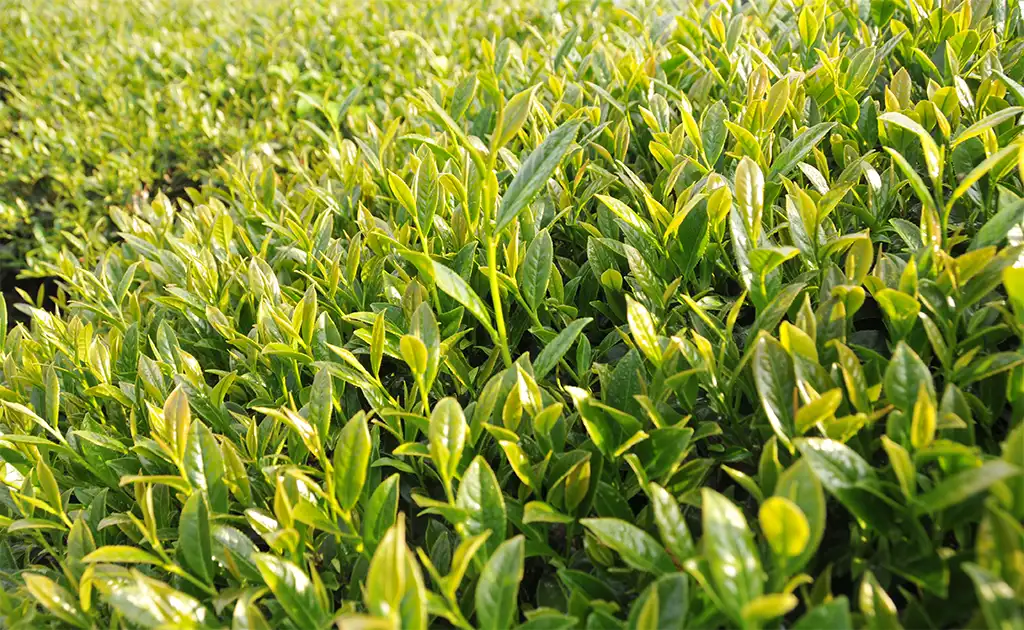
As for what kind of tea Dayuling tea is: theoretically, the leaves can be made into oolong, green, or black tea. In practice, however, all the tea produced locally is used to make lightly fermented ball-shaped oolong tea, commonly known as high mountain oolong tea.
What are its characteristics? And why is everyone selling it?
Dayuling tea gained its fame because it was historically “the highest oolong tea production area in the world,” reaching altitudes of up to 2,650 meters. The high altitude brings exceptional quality and a wonderful aroma, making it widely renowned and the most expensive high mountain tea origin in Taiwan. However, tea gardens in this area have long faced issues with occupying state-owned land and illegal development. Beginning in 2014, the Taiwanese government started reclaiming the land, and most of the tea gardens were subsequently cleared. As of 2024, only 3 tea gardens remain in production, with a seasonal output of under 3,000 kg.

Given such a tiny yield, why is it for sale everywhere?
The reason comes down to its scarce production and high price. Attracted by the lucrative profit margins, many people sell tea from other origins as Dayuling tea. The seasonal yield of Dayuling tea is about 2,000 kg; even if you include the summer and autumn harvests, the annual production is still under 5,000 kg, a large portion of which is exported overseas. Therefore, 99% of the Dayuling tea on the market is fake.