TTES No. 25 Ziyun Tea: A Visually Stunning and Delicious Deep Purple Tea Variety

“TTES No. 25” is a new variety bred by the Yuchih Branch of the Tea Research and Extension Station (TRES). Its maternal parent is a Burma large-leaf variety, and its paternal parent is TTES No. 13. Marketed under the name “Ziyun” (meaning “Purple Rhyme”), it is the first purple-bud tea variety bred in Taiwan. Its standout features are its deep purple leaves and the unique characteristic of its green tea turning pink when mixed with lemon juice.

TTES No. 25 Ziyun Tea

TTES No. 25 Ziyun Tea: A Visually Stunning and Delicious Deep Purple Tea Variety

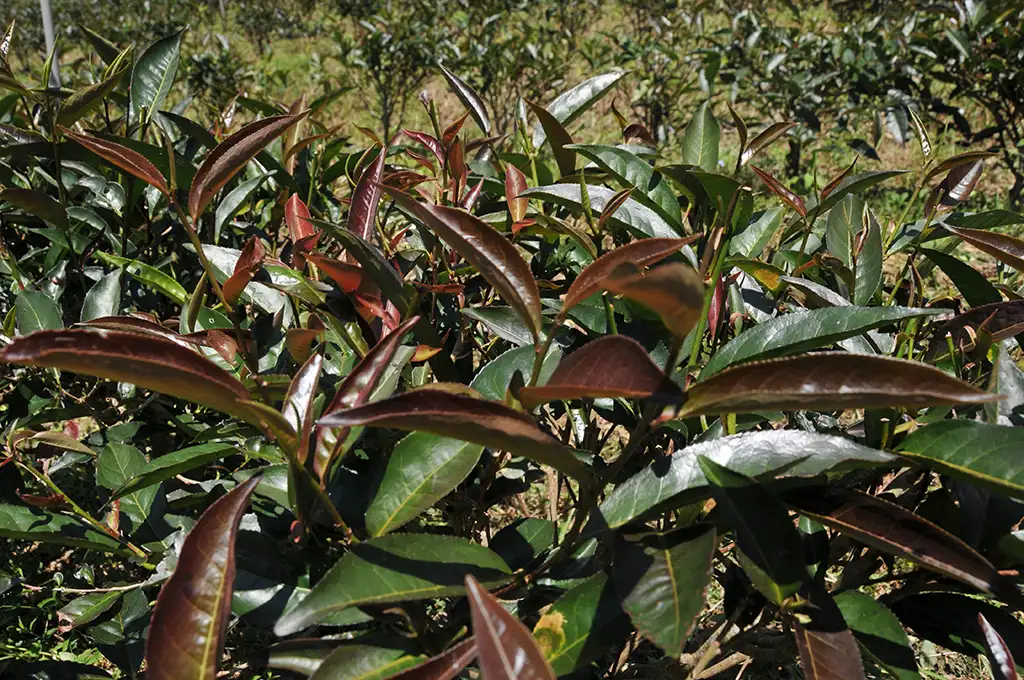
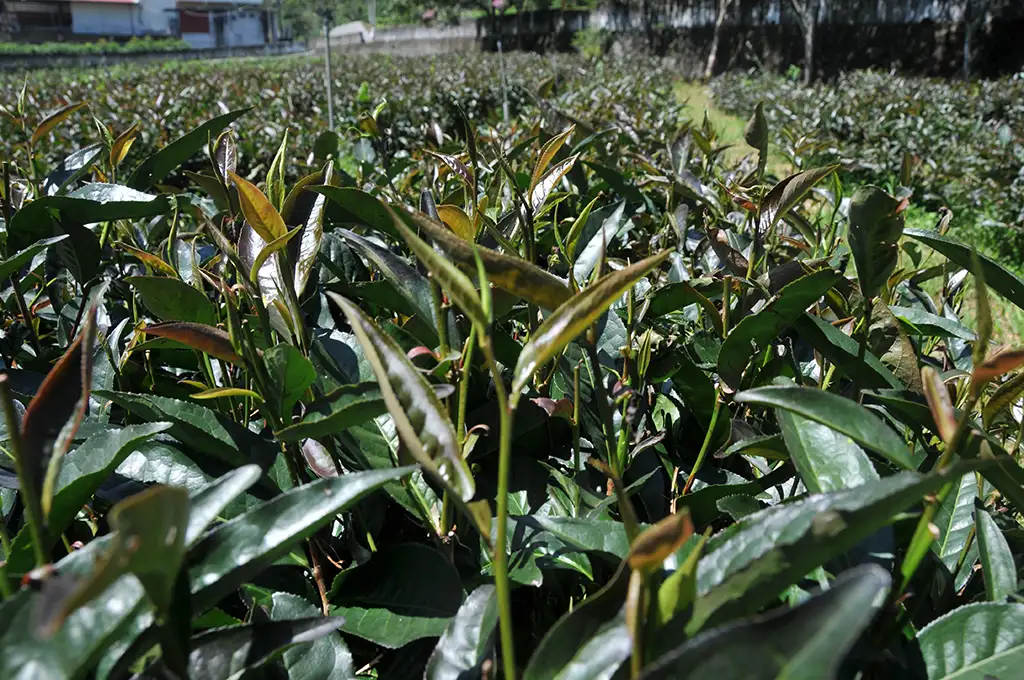
What makes Tsi-Yun Tea most eye-catching is its appearance. Unlike typical green tea leaves, the young shoots up to the fourth leaf of Tsi-Yun Tea present a deep purple color in spring, gradually turning green only after the fifth leaf. In summer, these leaves show shades from light purple to pink. The anthocyanin content in the young leaves of TTES No. 25 is 0.50 mg/g, which is 50 times higher than that of TTES No. 18. When made into green tea, the tea liquor of Tsi-Yun Tea displays a pale purple hue. If lemon or preserved plum juice is added, the liquor even turns pink, making it both visually appealing and unique.

TTES No. 25 Ziyun Tea

Versatile Tsi-Yun Tea

Tsi-Yun Tea is not only suited for making green tea and black tea, but also white tea. The green tea crafted from its tender purple-red buds and leaves yields a clean, sweet aroma with low caffeine and minimal bitterness. When processed into black tea, the liquor offers a fresh, vibrant aroma with a sweet, mellow, lively taste and low bitterness. In addition, the purple-bud white tea is sweet, smooth, and free of bitterness and astringency, which has already attracted tea masters in Zhushan and Yuchi townships, Nantou County, to invest in its production and R&D. In the future, Tsi-Yun Tea is expected to help elevate Taiwanese white tea to new heights.

Beyond Delicious: Other Uses for the Stunning Purple Tea Leaves

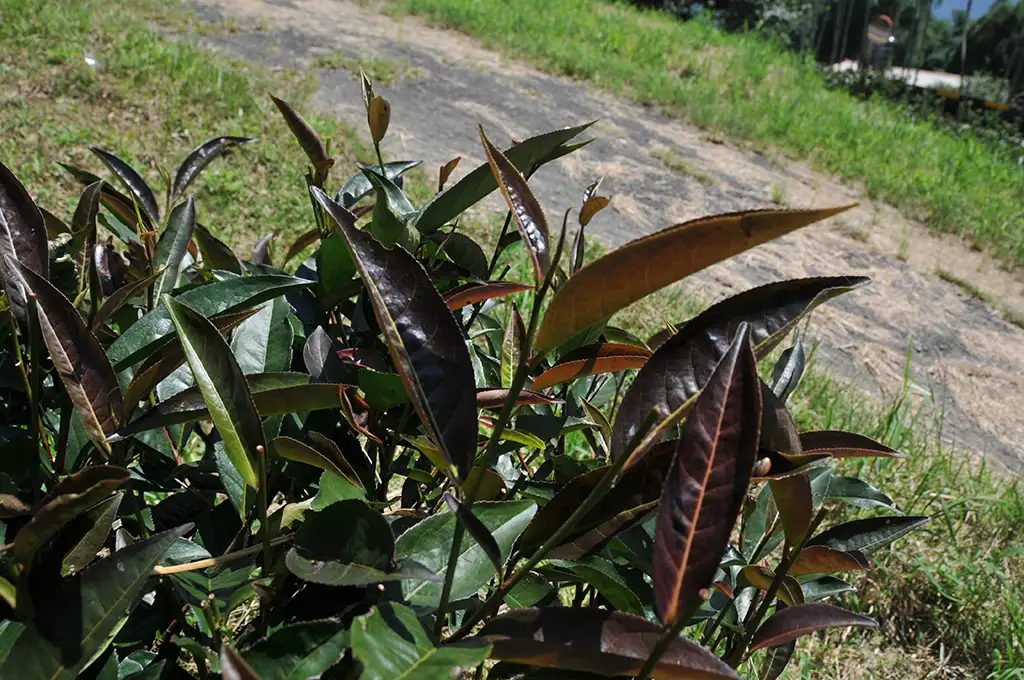
Apart from being brewed as a beverage, the purple tea leaves also hold ornamental value. TTES No. 25 Tsi-Yun Tea can also be used as a horticultural landscape plant. I once visited a tea farmer who, in addition to cultivating a 0.1-hectare plot of Tsi-Yun Tea, also planted one in front of his house as a landscape plant, and it looked quite aesthetic. I hear quite a few people use TTES No. 25 as a decorative plant.

TTES No. 25 Ziyun Tea

Reviews on TTES No. 25 Tsi-Yun Tea

TTES No. 25 was officially named and released only in 2021, so its current cultivation volume is still limited. In recent tastings, the Tsi-Yun green tea felt slightly ordinary, and the Tsi-Yun black tea had a noticeable raw grassy note. However, much like how varieties such as JinXuan, Ruby, and Yingxiang experienced unstable processing quality in the first few years after their release, as tea masters deepen their mastery of this variety’s characteristics, I believe the quality of Tsi-Yun Tea will continuously improve.

Shopping Cart