
Grown in Meishan, Zhuqi, Alishan, and Fanlu townships in Taiwan, Alishan tea is one of Taiwan’s three major high mountain tea regions. It comes in a wide variety of types, primarily including lightly fermented oolong tea, heavily fermented tea, black tea, green tea, and white tea. Among these, the lightly fermented oolong tea is exceptionally famous and warmly welcomed by the Chinese mainland market.
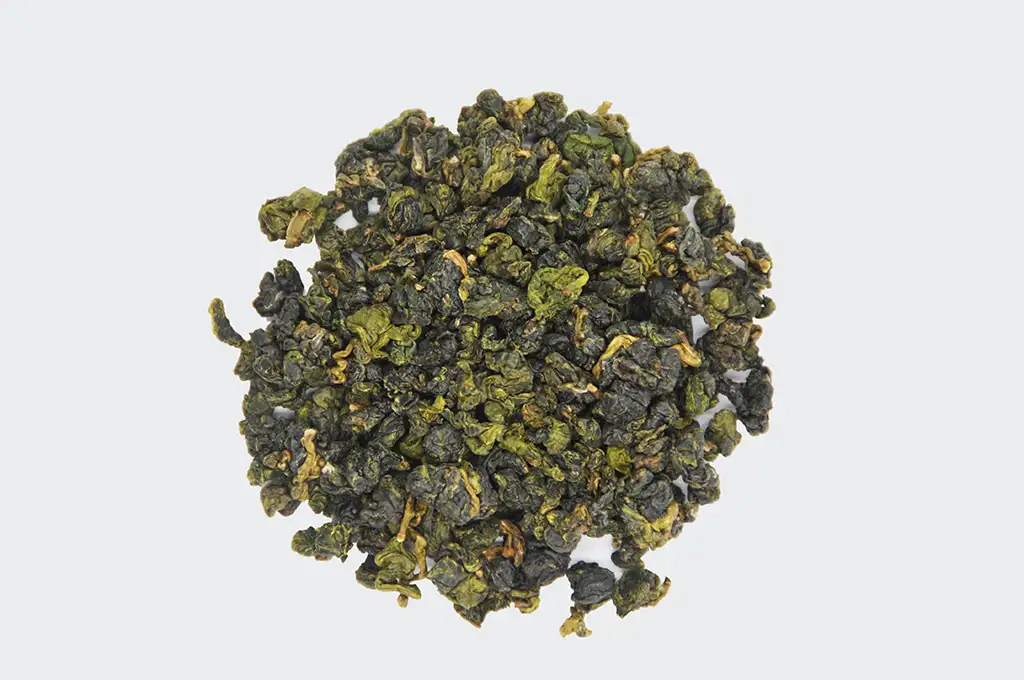
Origin Characteristics and Advantages
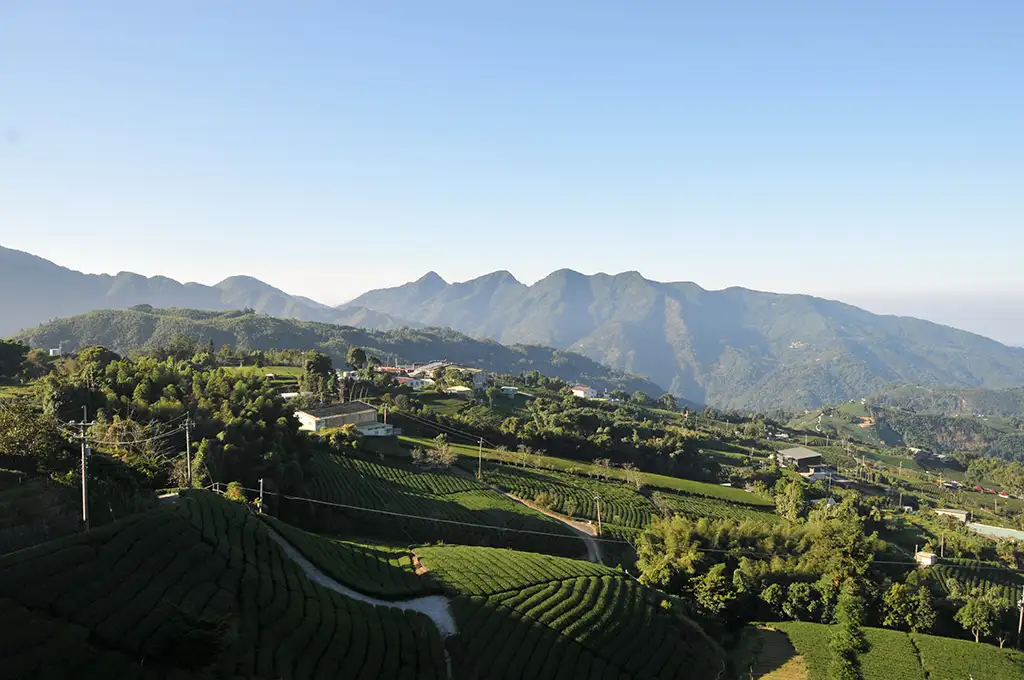
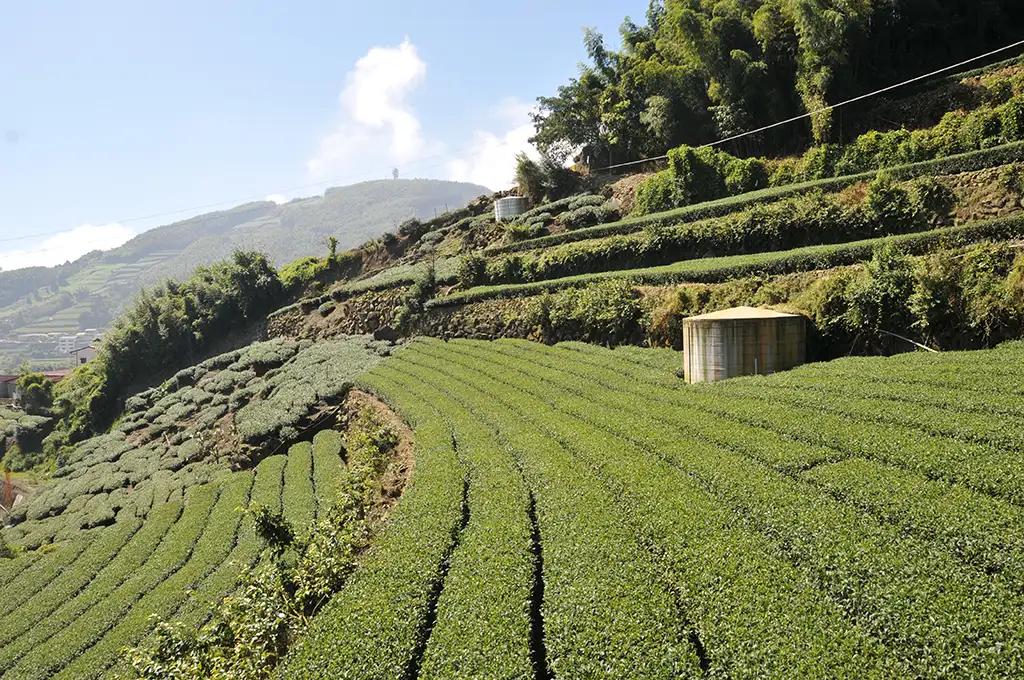
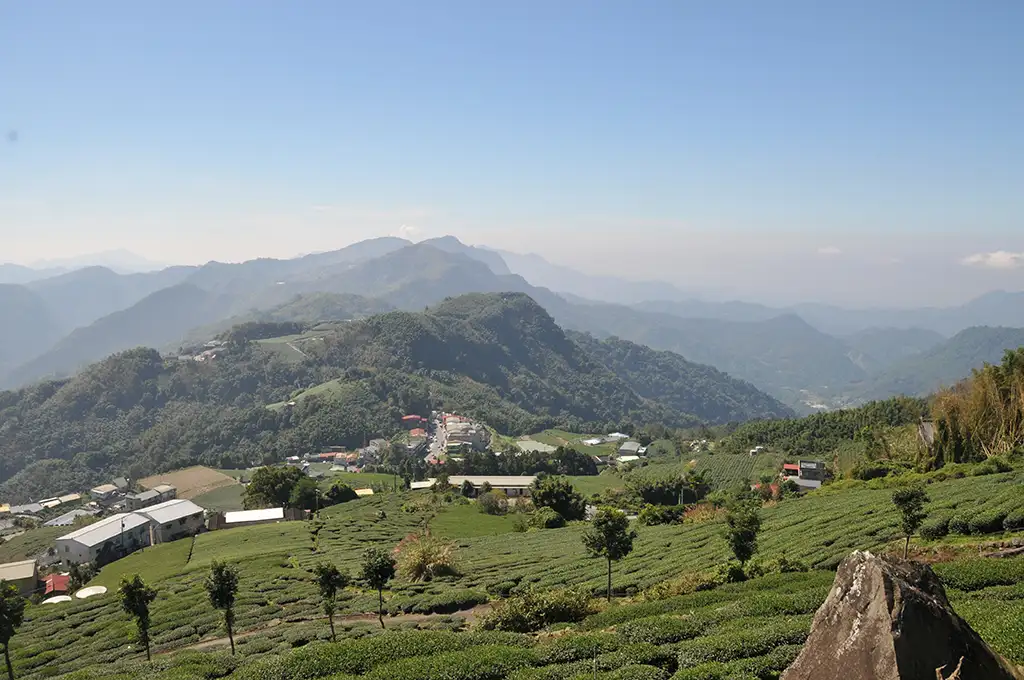
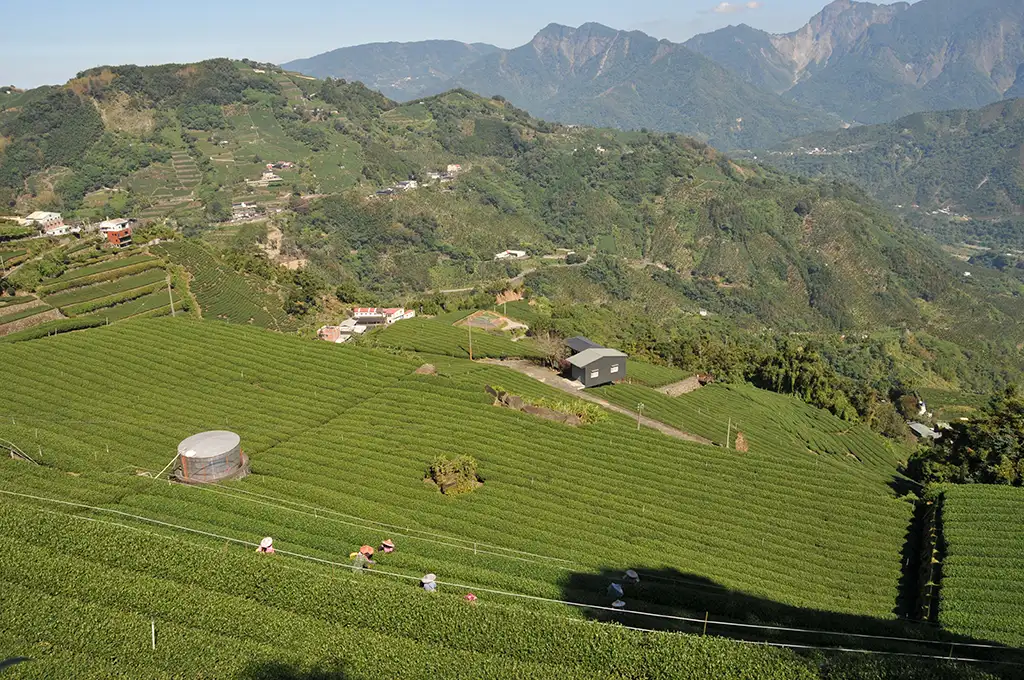
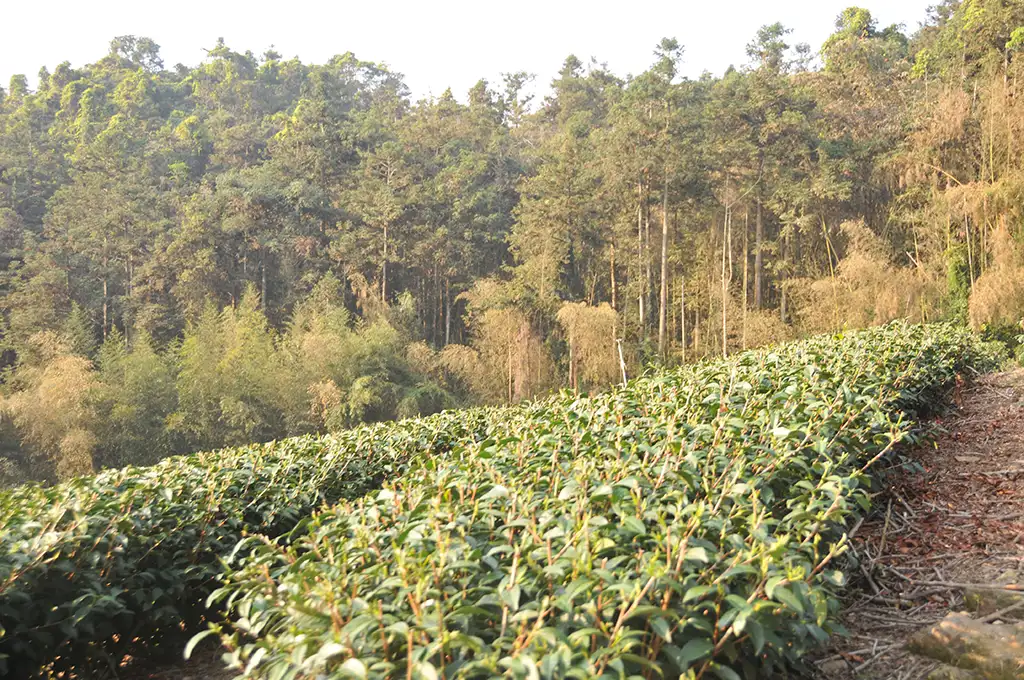
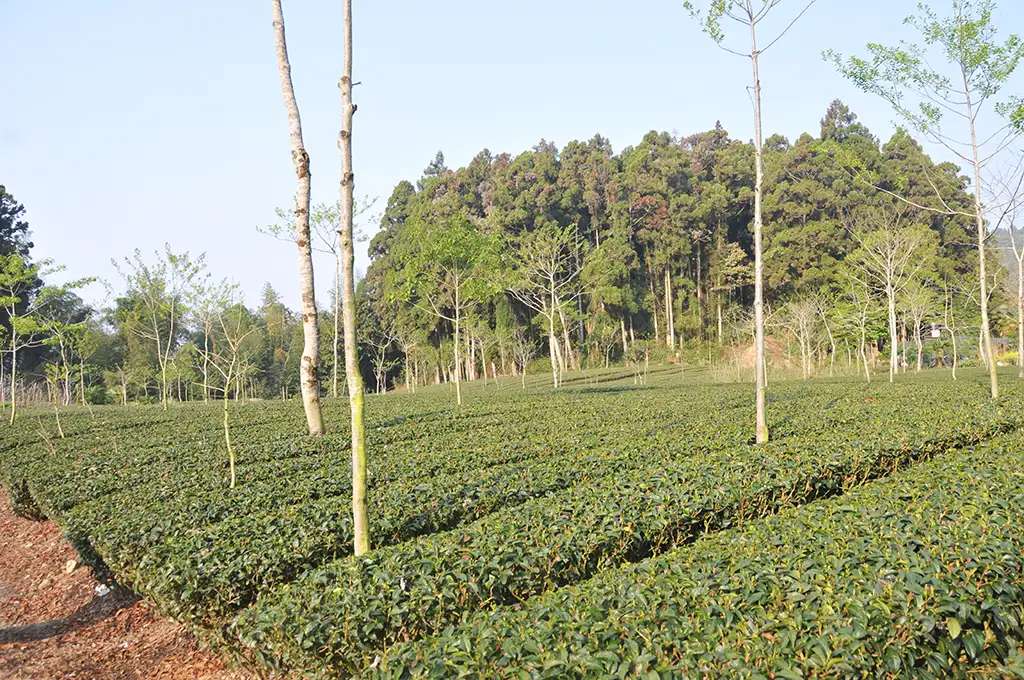
Alishan tea gardens are situated at altitudes between 500 and 1,700 meters, with the finest tea gardens mainly concentrated between 1,000 and 1,700 meters. Well-known tea production areas include Ruifeng, Ruili, Taixing, Taiping, Taihe, Shizhuo, Shizilu, and Tefuye. Among them, the tea produced in Ruifeng, Taihe, Shizilu, Tefuye, and Shizhuo is of the highest quality.
Read More: Introduction to Alishan Tea Region
With a large production volume and a wide variety of cultivars, Alishan tea can be harvested across all four seasons. Therefore, compared to teas from Lishan and Ren’ai Township, Alishan tea is more competitively priced. In addition, the Shizhuo and Meishan areas feature many JinXuan tea gardens at altitudes exceeding 1,000 meters, making them top high mountain JinXuan tea origins in Taiwan.
Pricing of Alishan Tea
The main cultivars of Alishan tea are Qingxin Oolong and JinXuan. Based on recent retail prices, spring and winter Qingxin Oolong range from NT$1,200 to NT$2,400 per 600 g, with tea from Zhangshuhu and Dinghu fetching up to NT$2,400, while other origins cap at around NT$2,000; summer and autumn teas are priced at NT$800 to NT$1,400 per 600 g. Spring and winter JinXuan retail for NT$900 to NT$1,600 per 600 g, with other seasons priced around NT$800 to NT$1,200 per 600 g.
Liao Chang Xing's Review of Alishan Tea
As one of Taiwan’s three major high mountain tea regions, the finest Alishan tea is primarily concentrated in Meishan Township, Tefuye in Alishan Township, and Shizhuo in Zhuqi Township. The tea quality from Meishan Township is particularly exceptional, with outstanding leaves produced by tea factories in Ruifeng, Taihe, Dafengcheng Sunrise Peak, and Zhangshuhu.
It is especially worth mentioning that most of the JinXuan tea in Meishan and Shizhuo, Zhuqi is cultivated in tea gardens at altitudes above 1,000 meters. With remarkable quality, this area is the premier origin for JinXuan Oolong tea in all of Taiwan.
Challenges in the Origin
However, the Alishan tea region faces the issue of aging tea trees, as the quality from decades-old trees cannot match that of younger ones. Furthermore, many tea gardens in the region lack irrigation equipment, hindering quality improvements. Severe droughts in 2021 and 2023 led to significant tea tree mortality and a decline in quality. With a decrease in mainland Chinese tourists, many Alishan tea factories also face marketing and sales challenges.
Overall, there is a wide variation in the quality of Alishan tea. In recent years, it has been difficult to raise origin prices, forcing many tea factories to cut back on fertilizer and management costs, falling into a vicious cycle. Nevertheless, Alishan tea still holds tremendous potential and market demand, and we look forward to the continued efforts of the tea community.