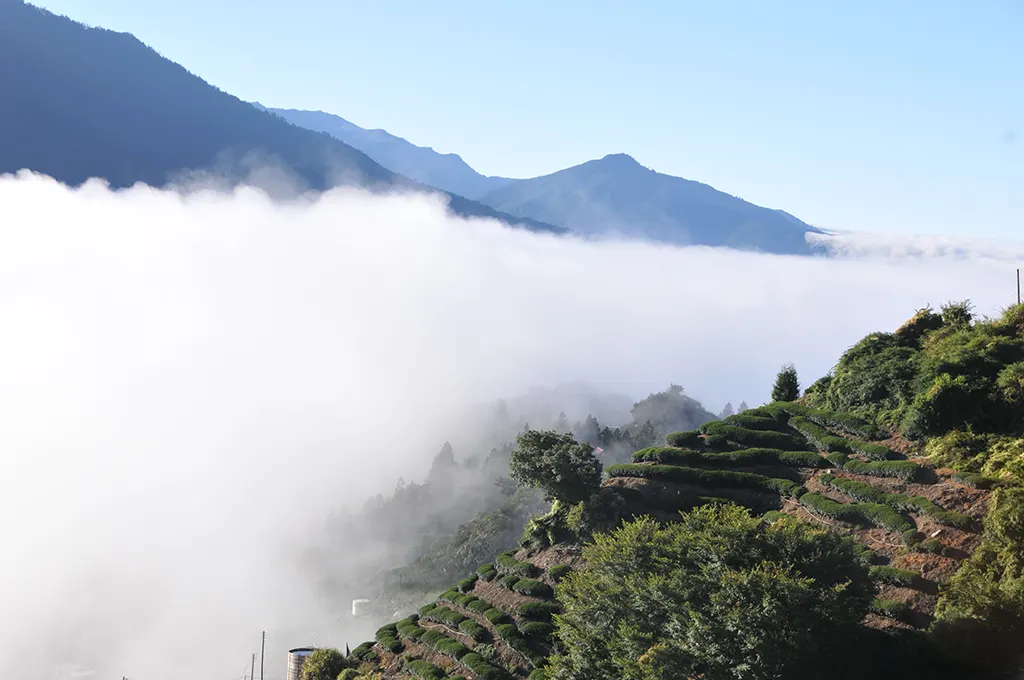
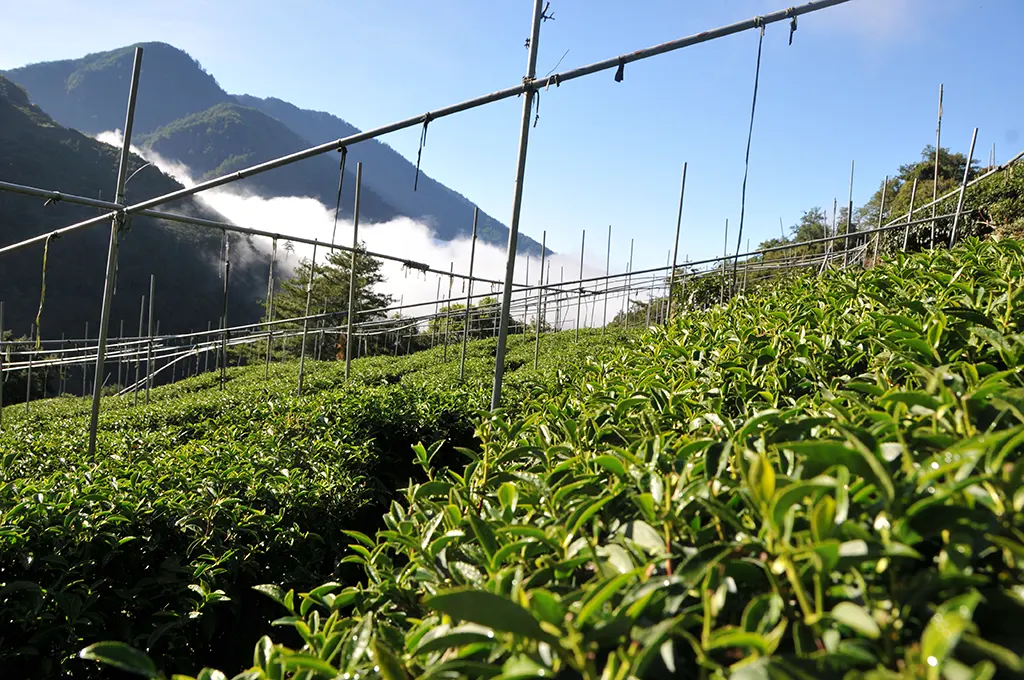
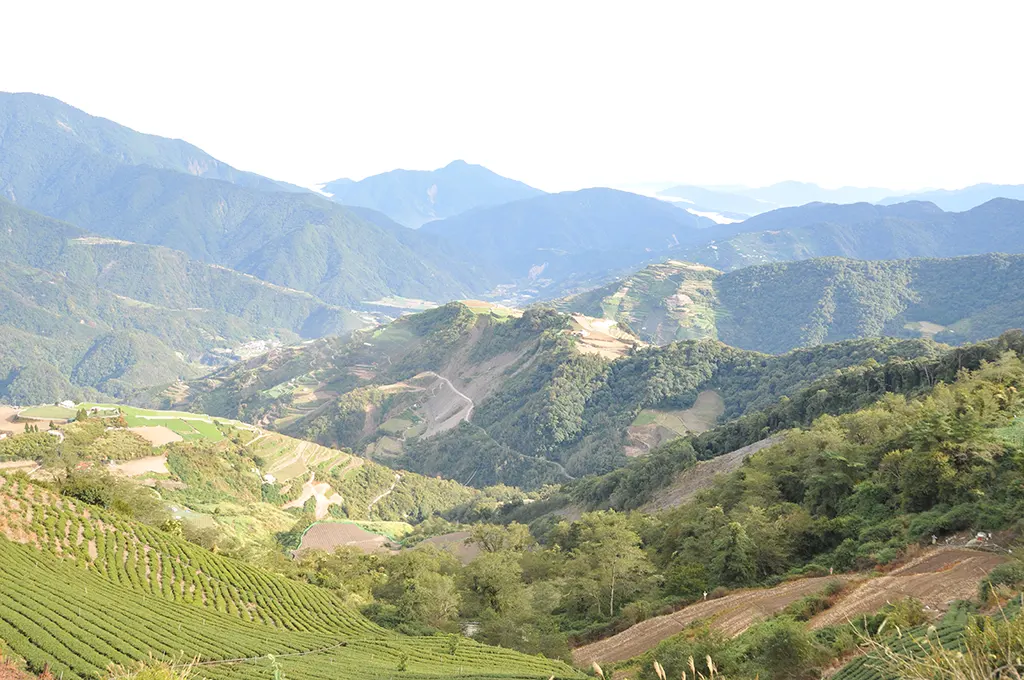
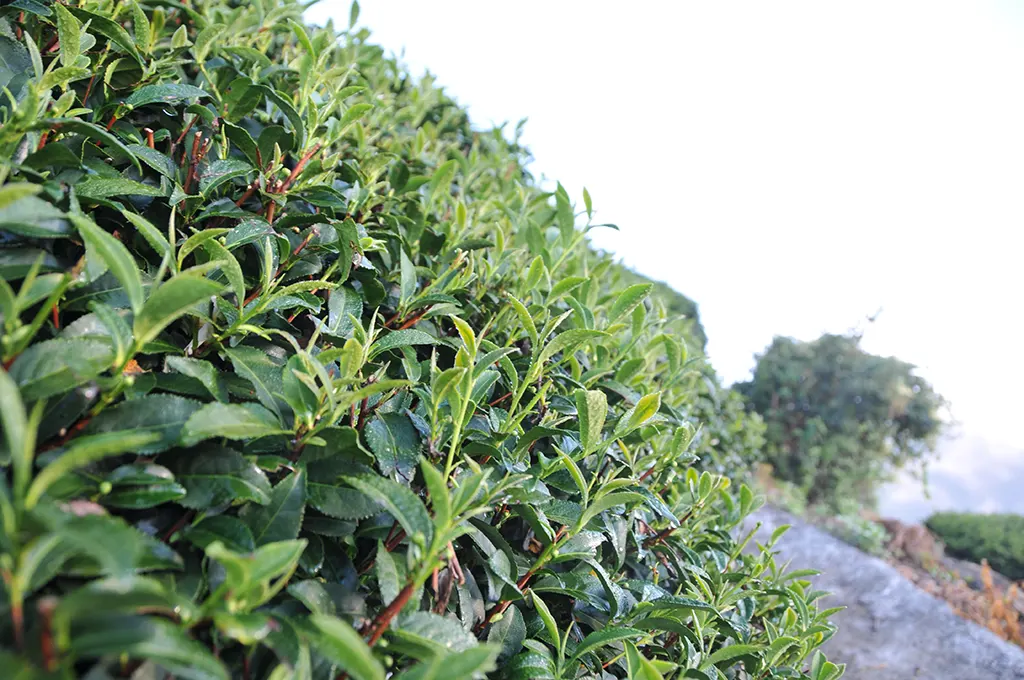
Last year, our store manager was chatting with a Lishan tea farmer who mentioned that the annual rent for his 0.6-hectare farm plot was NT$450,000. At the time, I was shocked by the rent—and this year, I was shocked all over again. This time, the rent for a 1-hectare plot of vegetable land has reached NT$1.3 million.
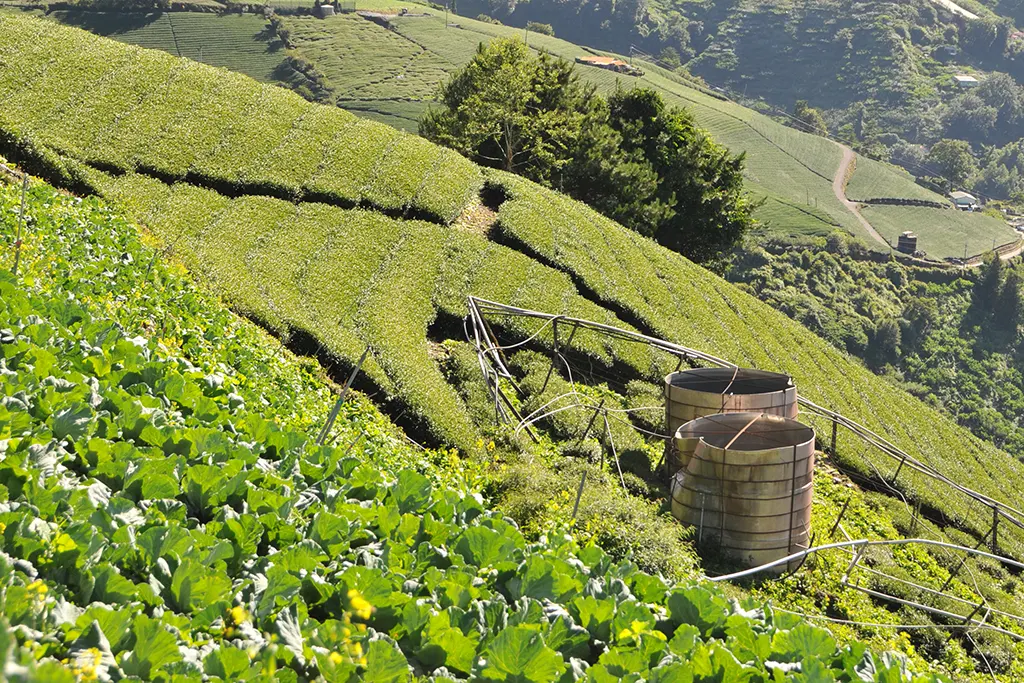
Last year’s tea garden was tucked away on a remote, steep slope, so an annual rent of NT$450,000 was considered “cheap.” This new farmland is right by the roadside in HuaGung and the ground is nice and flat, which drives the price up. Many friends might wonder the same thing our store manager did: “With rent that high, can they even make a profit?” The answer is yes. Harvesting two rounds of cabbage a year covers the rent with room to spare for profit. A skilled farmer can pull off three rounds of cabbage plus a harvest of green garlic, beating tea farming profits by a landslide. When vegetable prices are good, making triple the rent is a walk in the park.
A tea enthusiast previously asked our store manager why the vegetable fields in HuaGung aren’t converted into tea plantations. The reason is that vegetables are simply more profitable. Furthermore, cabbages prefer a soil pH between 6 and 6.5, so vegetable farmers apply oyster shell powder and chicken manure fertilizer to achieve this alkalinity. Once oyster shell powder is applied, the pH level is extremely difficult to lower. Tea bushes, on the other hand, thrive in weakly acidic soil, which is why tea plants never grow well when planted in former cabbage fields. To turn a vegetable plot back into weakly acidic soil, the entire topsoil has to be replaced—which is an absolute nightmare. Sticking to growing vegetables is much easier, so very few people in HuaGung want to switch to tea.

As for why HuaGung tea is so expensive, high land rent is the biggest factor. With costs sitting right there, there’s no way the tea could possibly be cheap.
It suddenly occurred to me that much of the tea grown next to cabbage fields suffers in quality. Aside from the aforementioned chicken manure fertilizer and oyster shell powder, there is also the issue of vegetable pesticides, which is why our store manager actively avoids them when sourcing. After saying all this, do you know how to really tick off a tea farmer? Just plant cabbage directly above their tea garden, apply some chicken manure fertilizer and oyster shell powder, and let the rainwater wash it all down into their tea fields. I guarantee it will drive them absolutely crazy. (΄◞ิ౪◟ิ‵)