The Store Manager’s Tea Musings – All About Autumn Tea

With autumn tea hitting the market in full swing these past few days, I’ve received quite a few messages from new tea friends. I’d like to take this opportunity to share some common questions and misconceptions about autumn tea.

Autumn tea is poor in quality: I suspect this impression comes from past marketing efforts where tea merchants emphasized spring and winter teas, leading people to believe autumn tea is inferior. In reality, autumn tea is just like spring and winter tea—there are good batches and bad ones. As long as the crop management, weather, and tea-making conditions are right, autumn tea can turn out exceptionally good.

Manager's Tea Musings - About Autumn Tea

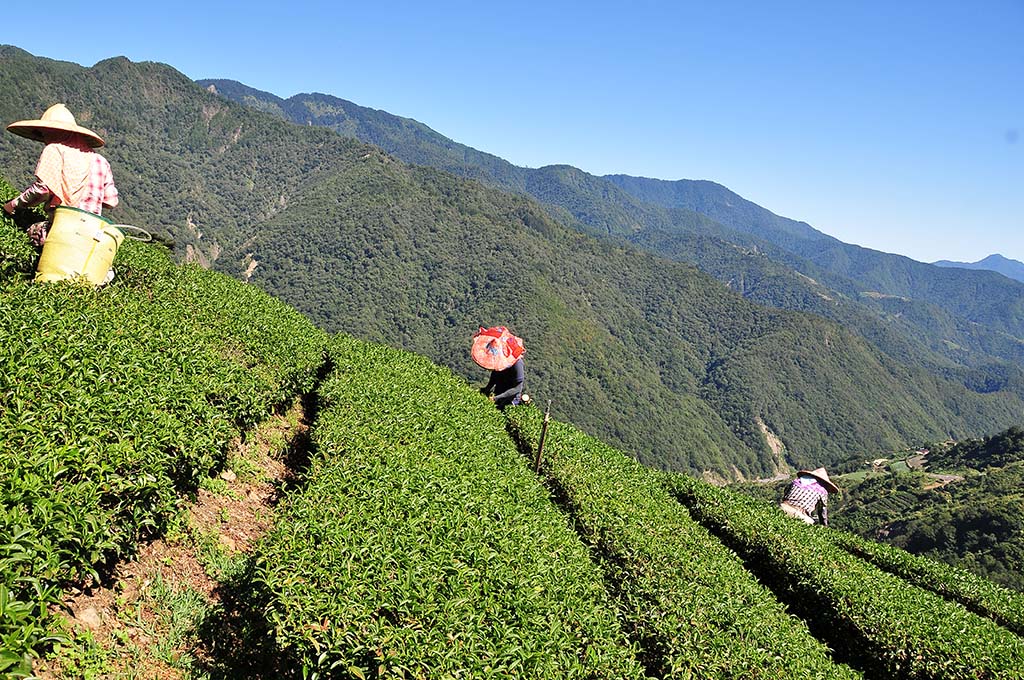
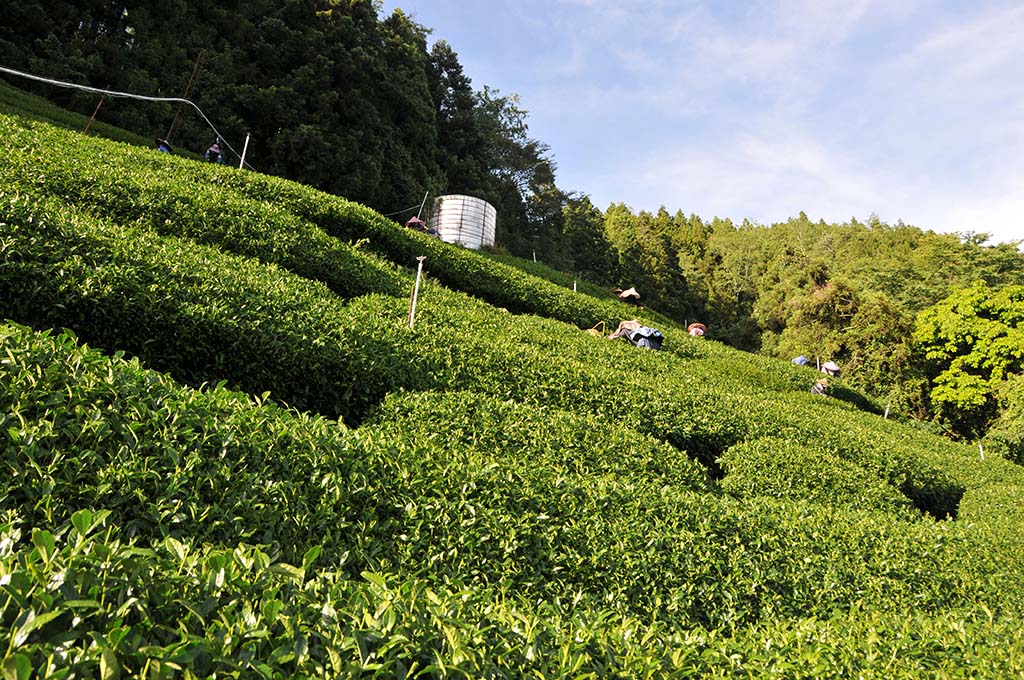
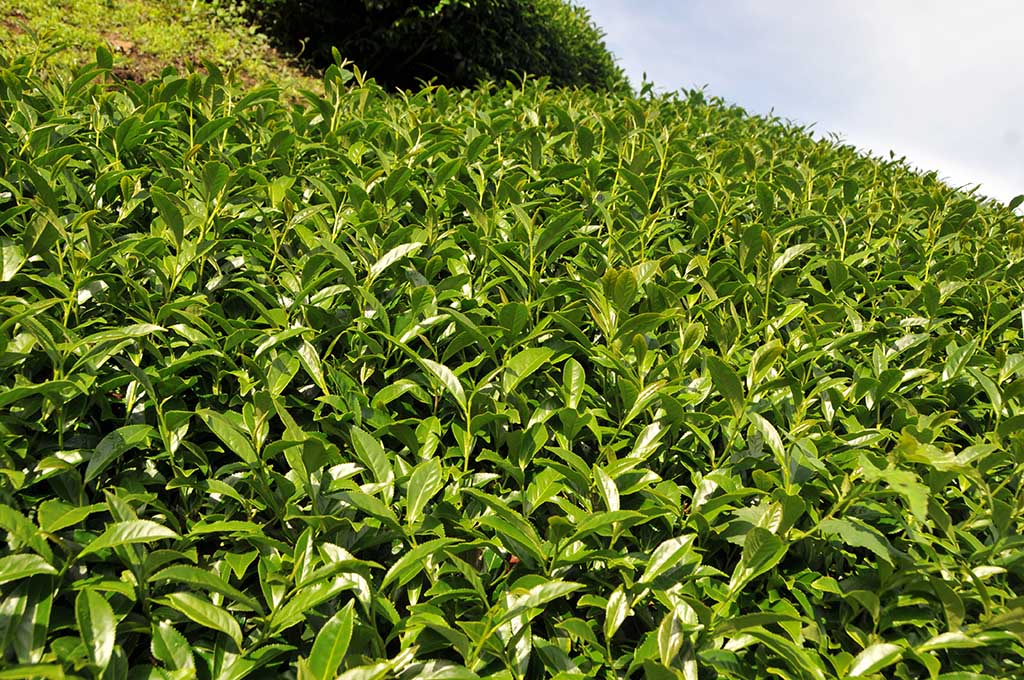
Very few people harvest autumn tea: This is simply false. The truth is that major tea-producing regions all harvest autumn tea, and quite extensively at that. Even premium regions like Dayuling and Biluxi harvest it, not to mention other areas. Taking the Cuifeng tea region in 2022 as an example, the production ratio of spring tea to autumn tea was roughly 5 to 4, which is a very substantial harvest. In fact, high-mountain autumn tea often yields slightly more than winter tea. The second photo shows the autumn condition in Cuifeng, where almost every tea garden is harvesting autumn tea.

Manager's Tea Musings - About Autumn Tea

All autumn tea goes into bubble tea drinks: False. The vast majority of bubble tea uses imported tea leaves. While I can’t speak for lowland autumn tea, high-mountain autumn tea is of great quality and doesn’t come cheap; it is rarely used as raw material for bubble tea.

Why do so few people sell autumn tea on the market: Because autumn tea is hard to sell. The main reason ties back to the first point—people assume autumn tea is poor in quality. As a result, many sellers pass autumn tea off as winter tea, or blend it into winter and spring teas. Who knows, the “winter tea” you bought in the past might actually have been autumn tea.

Manager's Tea Musings - About Autumn Tea

Autumn tea carries a “fire note” (roasted taste): This is true. Summer and autumn teas grow in hot weather and possess a heavy flavor profile, often carrying a roasted note. This is also why autumn tea is priced lower than winter tea. However, autumn tea produced under optimal conditions can still minimize this fire note. Furthermore, I want to emphasize that not everyone can perceive this fire note. If you’re a beginner or can’t tell the difference, there’s really no need to spend big money on winter tea. Autumn tea is an economical and practical choice for you.

Based on my experience selling autumn tea over the past few years, many customers cannot tell the difference between autumn tea and winter tea, and quite a few autumn teas even outperform winter ones. Tea friends who haven’t tried autumn tea should really give it a chance—you might just change your mind about it completely.

Manager's Tea Musings - About Autumn Tea
Shopping Cart