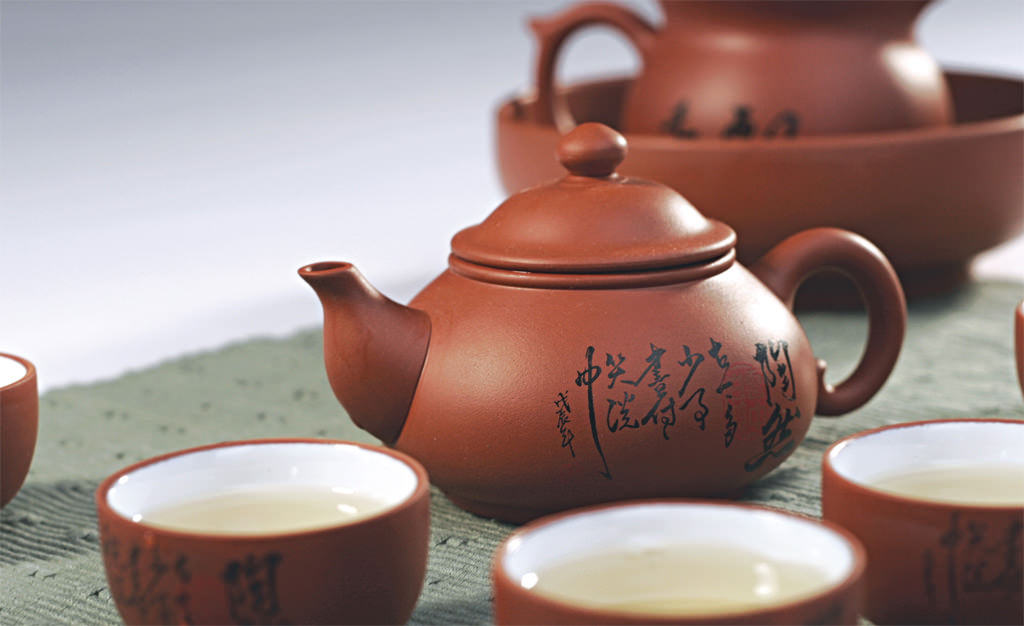
Drinking tea in moderation is good for your health, but too much of a good thing can be harmful. Common drawbacks of drinking too much tea include digestive issues, hindered iron absorption, nausea, and insomnia from caffeine overload. Here are the potential side effects and precautions of drinking too much tea:
▲▼ Side effects of drinking too much tea include insomnia, dizziness, nausea, heart palpitations, and anxiety.
Insomnia from too much tea: Drinking tea in moderation helps boost alertness, making it a great pick-me-up for office workers and students. However, drinking too much tea can cause overstimulation, making it difficult to fall asleep at night. It is best to cut back or avoid drinking tea within 6 hours of bedtime to protect your sleep quality.
Nausea from too much tea: Certain compounds in tea can irritate the gastrointestinal tract, causing discomfort and diarrhea, and sometimes leading to nausea. If you experience this, consult a doctor first. It is best to reduce your intake or stop drinking tea altogether—after all, no matter how delicious tea is, your health always comes first.
May cause anemia: Tea compounds can interfere with iron absorption, sometimes leading to anemia. Individuals with anemia or women during their menstrual cycle should consume tea in moderation.

▲ Drink tea in moderation; it cannot replace plain water.
Burden on the body: Tea contains caffeine, and drinking too much tea means consuming too much caffeine. In addition to trouble sleeping, it can easily cause irritability and insomnia. In severe cases, it may also lead to palpitations, arrhythmias, elevated blood pressure, headaches, and dizziness.
Drinking too much tea is not good for your body. Good health is what matters most—no matter how delicious the tea is, it cannot replace plain water.