
Selenium-enriched tea refers to tea that is “rich in the element selenium.” In China, only tea produced in Enshi and Ziyang can be officially called selenium-enriched tea. Enshi City in Hubei Province is particularly famous for its soil, which is naturally rich in selenium. Hence, the tea grown here is called Enshi selenium-enriched tea. Because of its high selenium content, it is widely believed to offer health benefits.
Rich in the Element Selenium
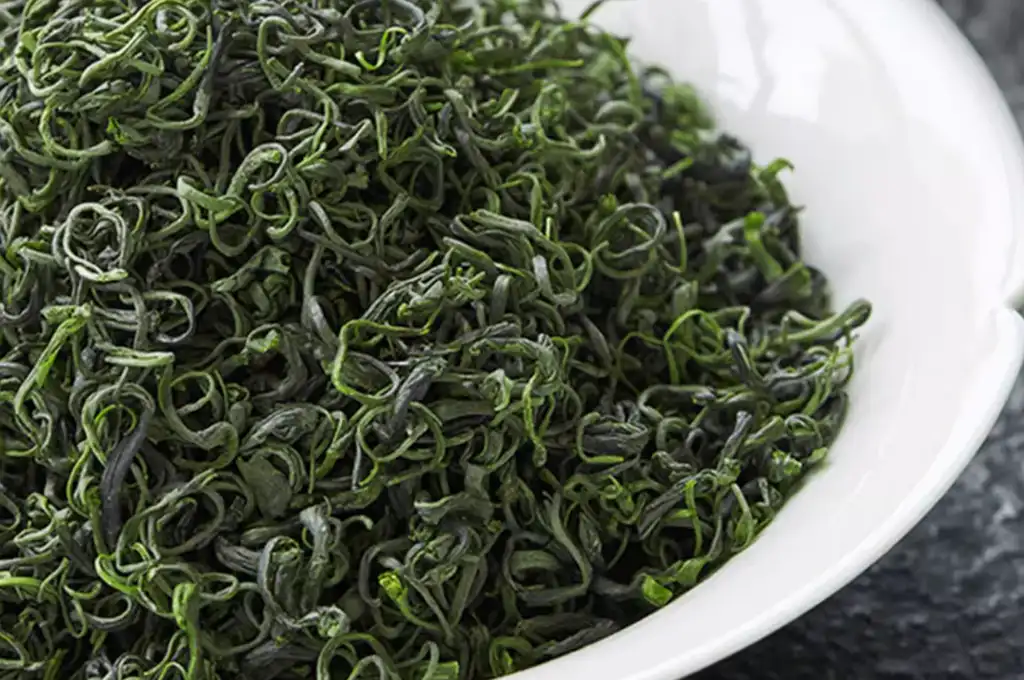
Enshi tea is typically made into green tea, with Enshi Yulu being the most famous among them. Therefore, Enshi Yulu is also a type of selenium-enriched tea. Enshi selenium-enriched tea has an average selenium content of 1.068 ppm, making it an ideal source of organic selenium for the human body. As a result, it is extremely popular—enjoyed not just as a beverage, but often viewed as a wellness supplement.
Although Enshi selenium-enriched tea first gained attention for its health benefits, this region has also been an exceptional tea-producing area since ancient times, meaning the taste and flavor profiles of its teas are exceptionally well-reviewed. As one of China’s famous teas, Enshi Yulu delivers outstanding performance in both aroma and sweet aftertaste (hui gan). Beyond green tea, Enshi selenium-enriched tea is also crafted into selenium-enriched black tea, white tea, Longjing, and Tieguanyin, making the selection wonderfully diverse and rich.
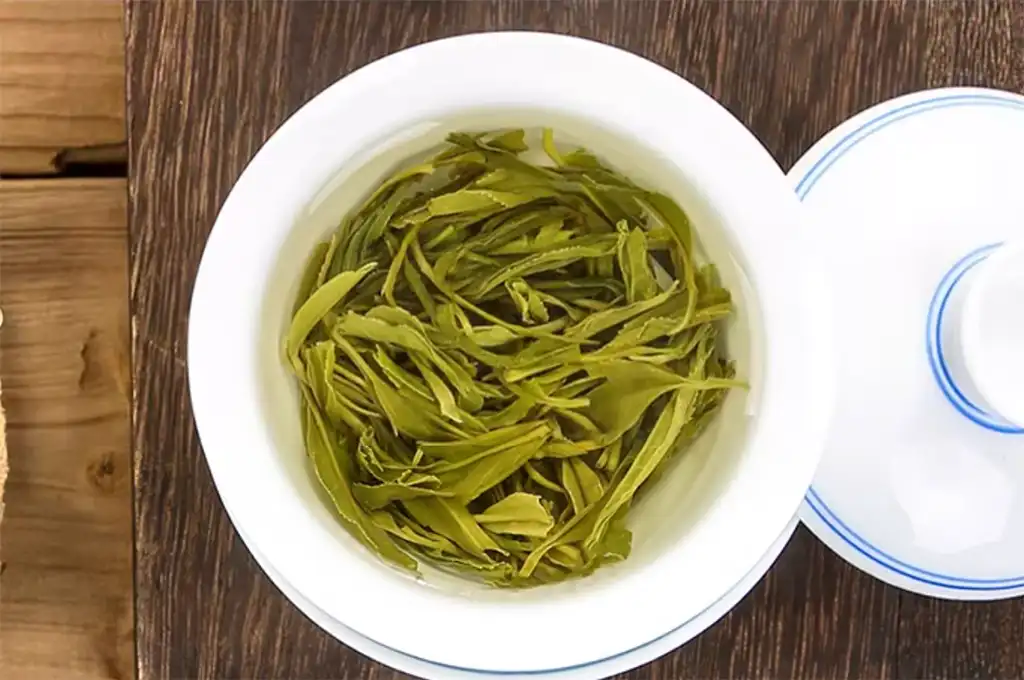
Thanks to its high health value and delicious taste, Enshi selenium-enriched tea is highly sought after in the market. Spring harvest teas command the best prices, with top-tier grades per 500 g often exceeding 1,000 Chinese Yuan. Even standard grades generally start above 100 Chinese Yuan, making it a premium-priced option among Chinese green teas.