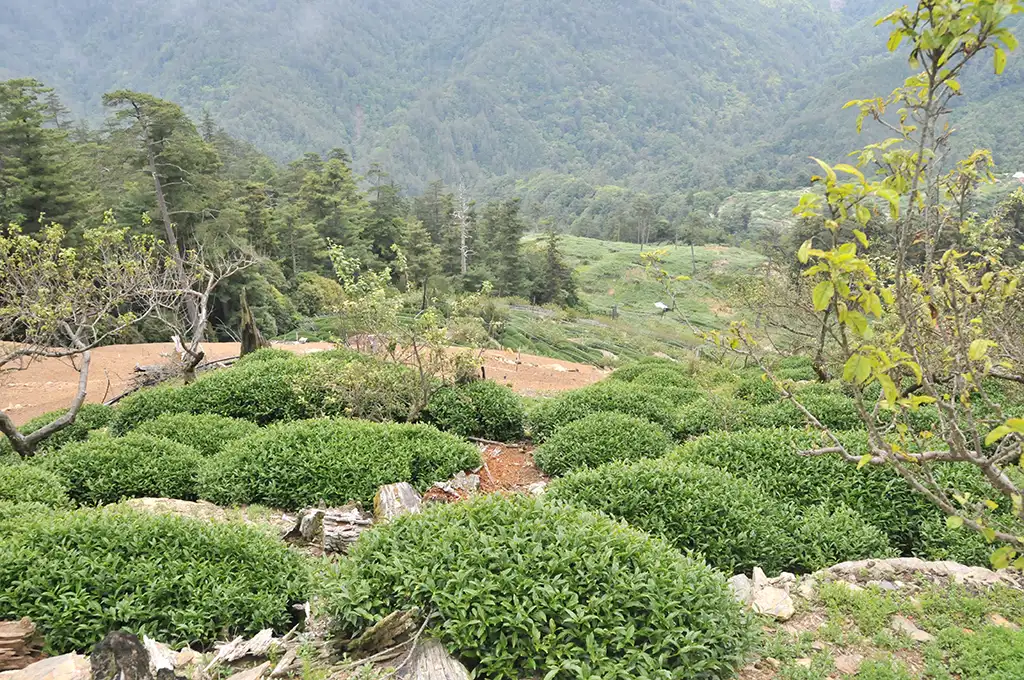
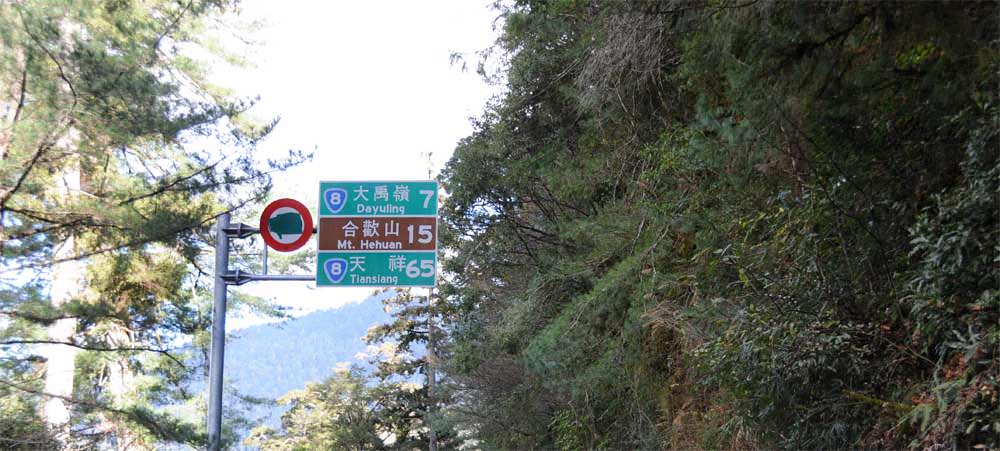
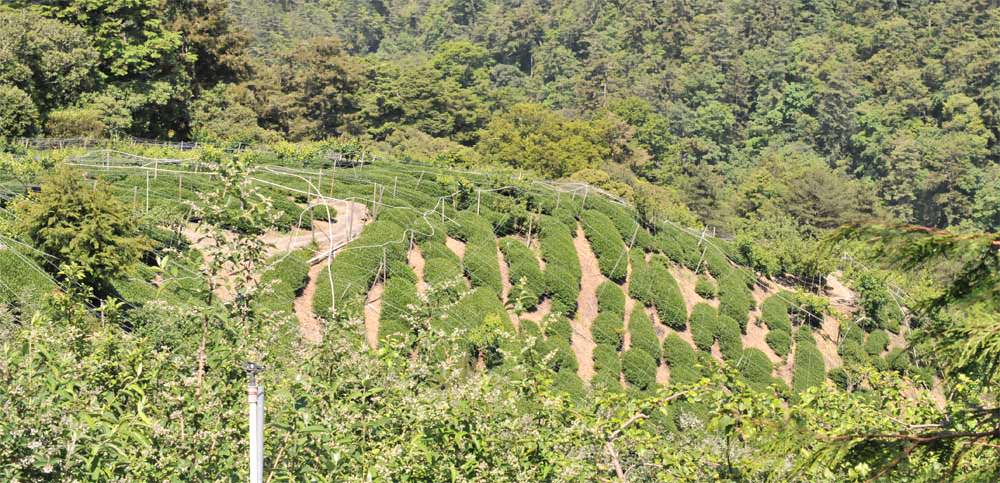
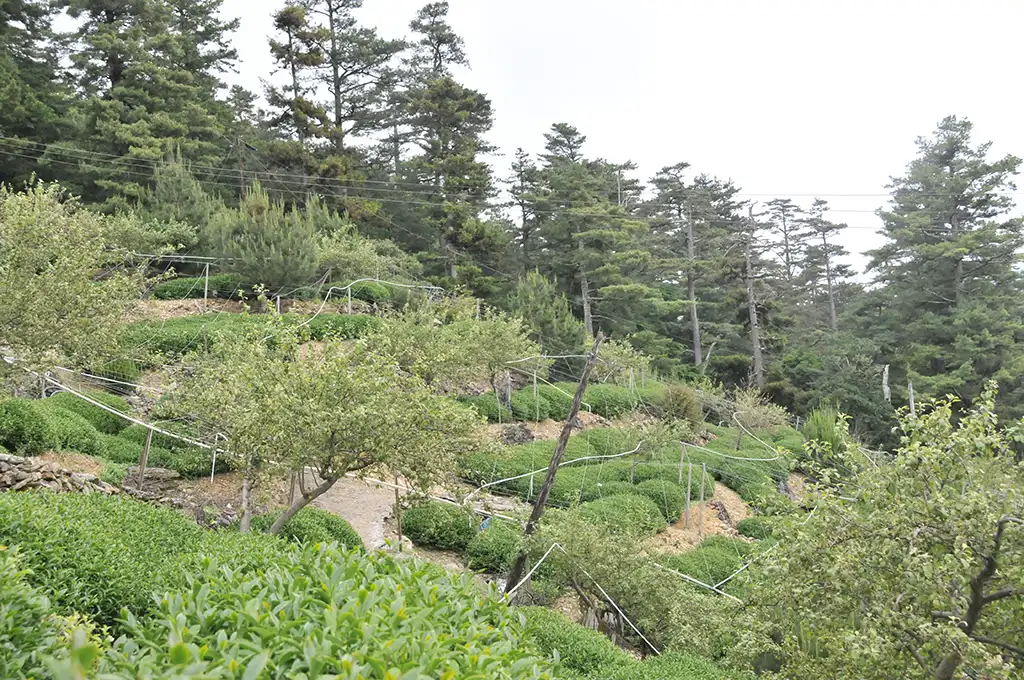
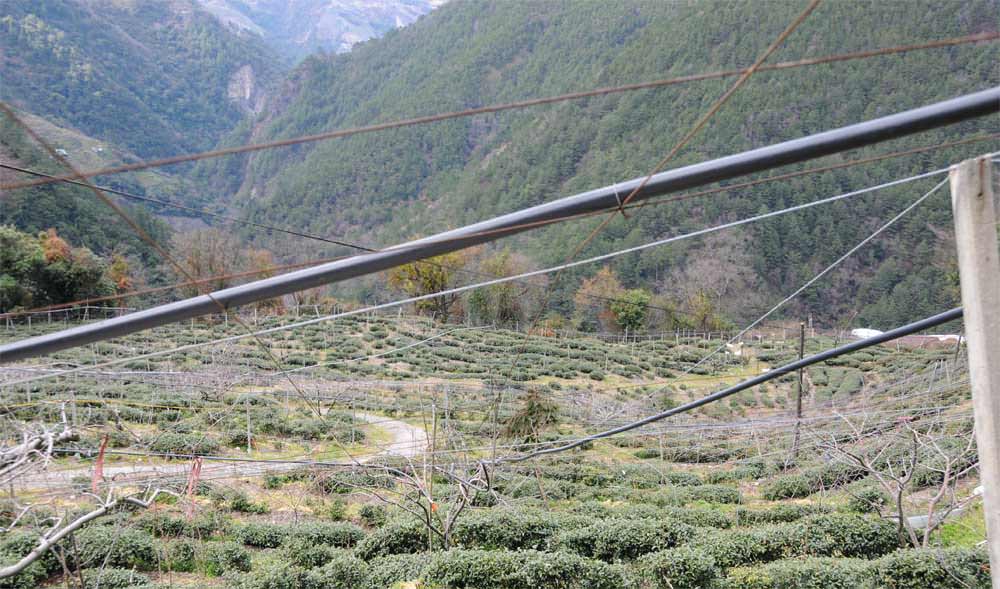
Dayuling tea is produced along the Central Cross-Island Highway between the 100K and 105K markers, at altitudes ranging from 2,100 to 2,600 meters. Because of the high altitude and cold climate, Dayuling tea carries a distinct fruity aroma and an ethereal, cooling aftertaste that tea lovers adore. Well-known Dayuling tea plantations include the 105K, 104K, 103K, 102K, and 100K gardens (where “K” stands for kilometer, meaning the 105K plantation is located at the 105-kilometer mark of the Central Cross-Island Highway).
Dayuling Tea: Once the Highest Oolong Production Area in the World
Dayuling tea started production in the 1980s when a Mr. Chen Chin-ti planted tea on a small scale near today’s 105K mark. Surprisingly, the tea bushes survived the 2,500-meter alpine conditions and yielded an exceptional flavor, sparking a wave of tea cultivation in the Dayuling and Lishan areas. Since then, Dayuling tea has become the most iconic high mountain tea region in Taiwan, and the 105K Dayuling tea has emerged as a top-tier choice among Dayuling teas. The 105K plantation was registered under the trademark “Dayuling Snow Oolong,” and by 2010, its annual yield was around 3,600 kg, with a selling price of NT$12,000 per 600 g, making it highly sought-after in the market.

After 105K Dayuling tea sparked a wave of tea cultivation around Lishan, farmers gradually moved in to clear the land. There were a total of six plantations across the 104K, 103K, 102K, 101K, and 100K markers, primarily cultivating Qingxin Oolong. Tea was harvested across three seasons—spring, autumn, and winter—with annual yields reaching 50,000 kg during its peak.
However, the Dayuling section of the Central Cross-Island Highway is designated as forest land, making tea cultivation illegal. As a result, the Taiwan Forestry Bureau began reclaiming tea plantation land after 2010, causing tea production to steadily decline. By June 2014, most of the tea bushes were cleared out, and by 2022, only three plantations remained at 103K, 101K, and 100K. The plantation area has also drastically shrunk, with current yields plummeting to just one-tenth of their peak.
Current seasonal yield is down to only about 1,200 kg
Today, there are only three Dayuling tea plantations left, all of which are very small in scale, with a seasonal yield of just 2,400 kg. Due to low supply and high demand, wholesale prices reach as high as NT$5,000–7,000 per 600 g. Because of its steep price tag, the market is flooded with counterfeits, making it the most heavily forged tea in all of Taiwan.