
A netizen asks: Hello Liao Chang Xing. I’m interested in the tea industry and would like to start by experiencing tea harvesting work. May I ask how much tea pickers currently earn per day, how long the daily work hours are, and how much tea needs to be harvested before one can apply?
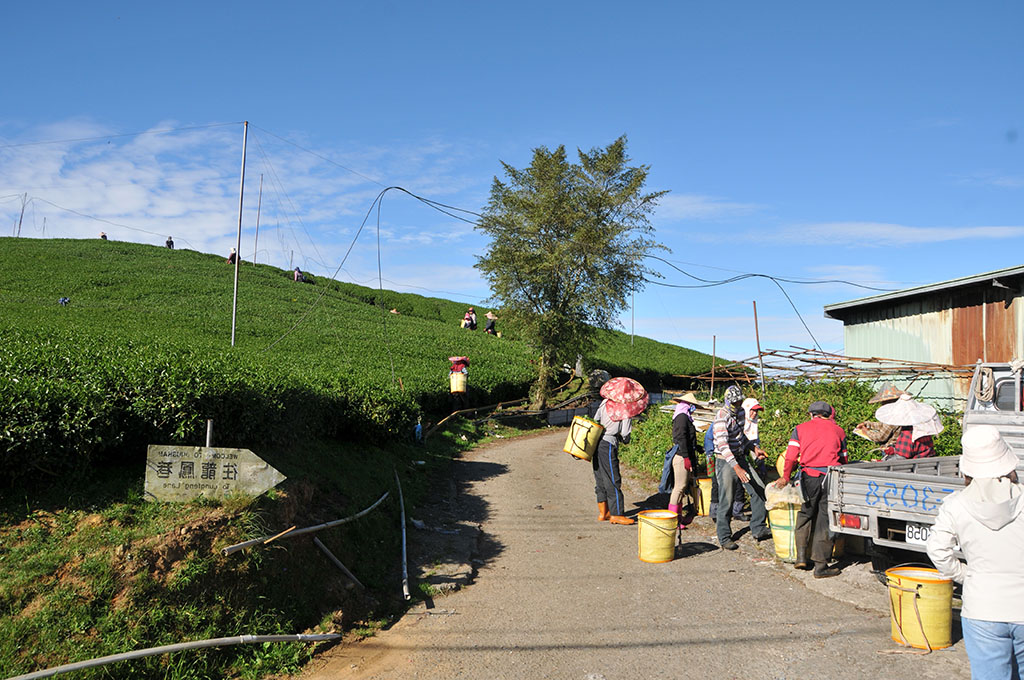
How Much Do Tea Pickers Make a Day?
Liao Chang Xing: Hello, and thank you for your inquiry. First, let me tell you that harvesting and making tea is extremely hard work. Working every day from 7 AM to 6 PM means not only enduring the blazing sun, but insect bites, encountering venomous snakes, and getting caught in the rain are all par for the course. Sometimes after picking for too long, you’ll wake up the next day with a sore back and stiff legs, making even walking difficult. If you’re still interested after hearing that, here is how tea picker wages are calculated.
There are currently two ways to calculate wages for tea pickers: the first is daily pay, and the second is piece-rate pay. Daily pay is calculated on a per-diem basis, ranging from NT$1,500 to NT$2,000 per day. The second method, piece-rate, pays you based on how much you harvest, at NT$60 to NT$70 per 600 g of fresh tea leaves. Piece-rate is the mainstream hiring method in high-mountain tea regions. Wages are usually higher during peak seasons and rushed harvesting periods. In addition to wages, farm owners also provide allowances for beverages and lunch. If it rains upon arrival and harvesting is impossible, some travel expenses are usually reimbursed.
Sounds like decent pay? Not quite. An experienced tea picker needs to harvest around 24 kg (40 jin) of fresh tea leaves a day; otherwise, the boss will lose money on a daily-rate basis and won’t hire you next time. 24 kg a day sounds like very little, but an inexperienced person might not even be able to pick 6 kg. What about slower pickers paid by piece-rate? That’s no easy money either! If you pick 30 kg at NT$60 a pound, that’s NT$3,000 a day—considering the physical labor involved, it’s really not easy money.
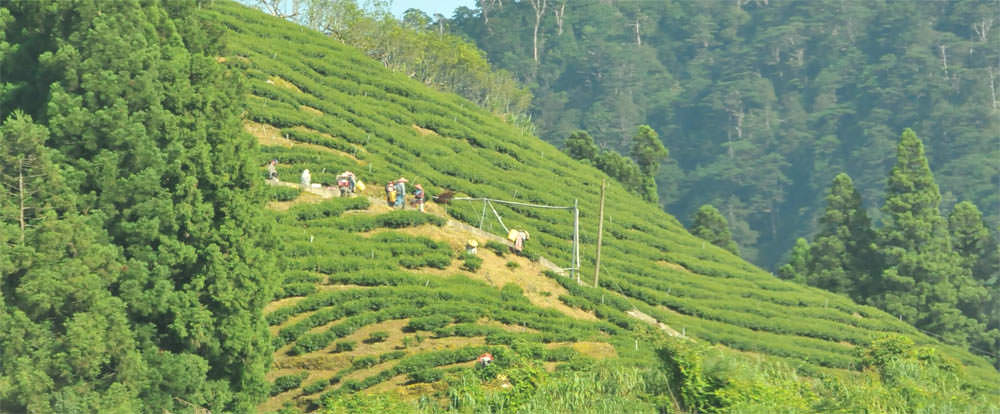
Another downside to tea harvesting is job instability. Because tea pickers only work during the tea seasons—spring, autumn, and winter harvests combined total about three months—you have to find other work the rest of the time. In lowland tea regions like Mingjian Township, Pinglin, and Shiding, the harvest seasons run from late March to April and in November. In higher-altitude areas like Alishan, ShanLinXi, Lishan, and Dayuling, the spring harvest runs from mid-April to early June, and the winter harvest from October to November.
As a side note: Tea regions in Lishan and Ren’ai Township are currently facing a severe labor shortage for tea pickers, relying mostly on migrant workers for harvesting. High-mountain pickers need a certain level of experience; if you pick leaves that are too poor in quality or too long, tea farmers will reject them. Also, some tea farmers only harvest until 3 PM. High-mountain tea regions are only suitable for local residents, as transportation is simply too inconvenient.