Tea Brick

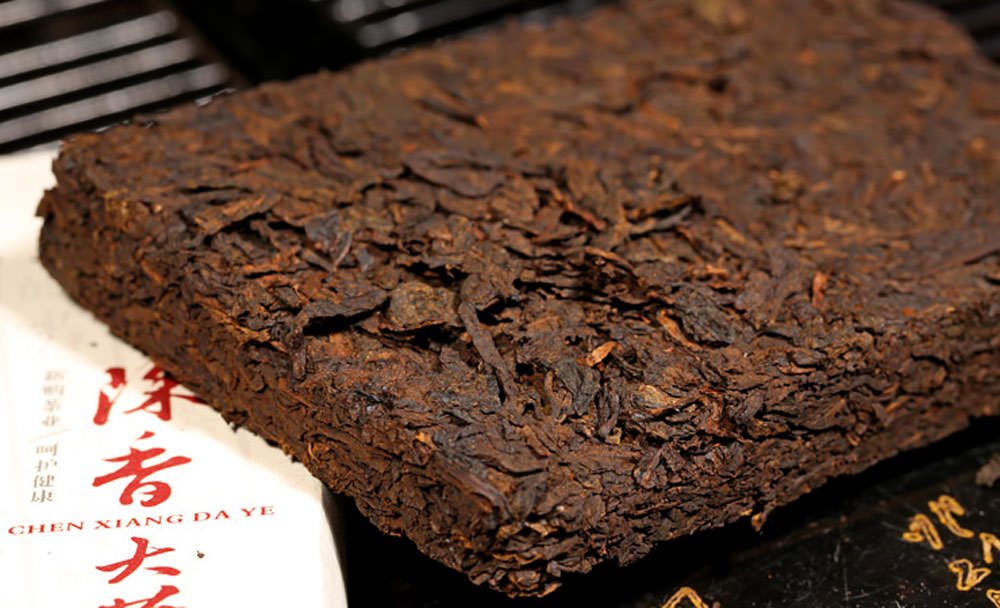
Tea bricks, also known as brick tea, are a common form of dark tea (heicha). Popular varieties include Pu-erh tea bricks, Anhua dark tea bricks, and Tibetan tea bricks. Originally, tea bricks were produced to facilitate transportation and storage, but it was later discovered that this form also aids in post-fermentation. Tea bricks and tea cakes are the two most common compression methods for dark tea.

Dark tea is a post-fermented tea, meaning the quality improves the longer it is aged after production. Under these conditions, proper storage becomes crucial. As a result, many dark teas like Pu-erh, Anhua dark tea, and Tibetan tea are pressed into brick form. This not only facilitates storage and transportation but also greatly assists in the post-fermentation process of the tea leaves. Although dark tea is still available as loose tea, bricks and cakes remain the mainstream forms today. Premium raw Pu-erh tea bricks command very high prices, serving not just as a beverage, but also as collectible items.

Tea brick

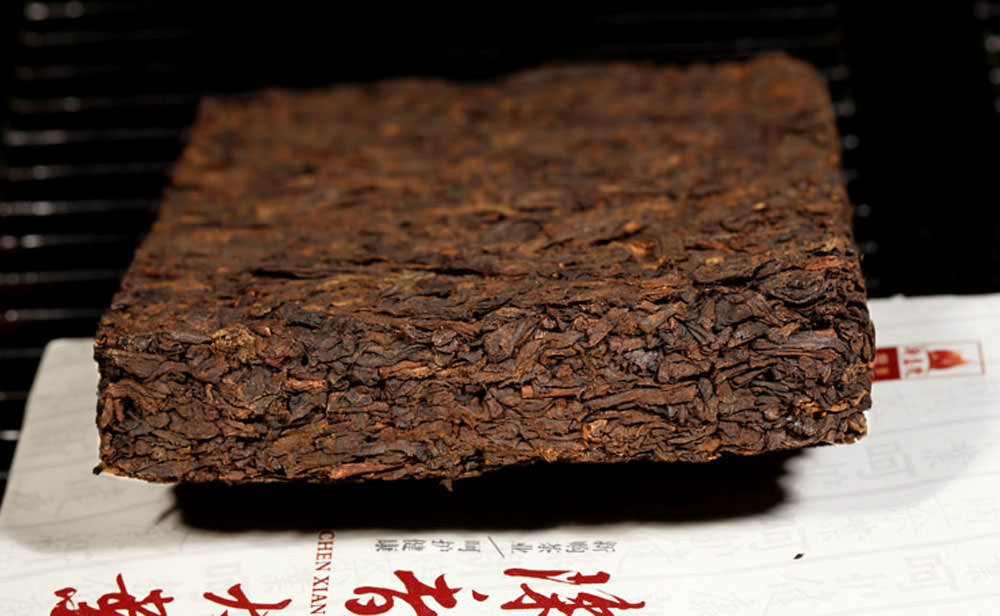
▲A beautiful ripe tea brick.

Tea brick

▲A beautiful tea brick.

Tea Brick Production

After loose tea (maocha) is produced, it undergoes a sorting process to grade leaves of different qualities, ages, and tendernesses. Tea masters then blend these leaves together before shaping them into bricks. Making tea bricks involves using high-temperature steam to warm the leaves, placing them into a press, and compressing them into the desired brick shape. Once pressed, they are sun-dried, packaged, and thus transformed into tea bricks, ready for a long period of cellar aging.

How to Brew Tea Bricks

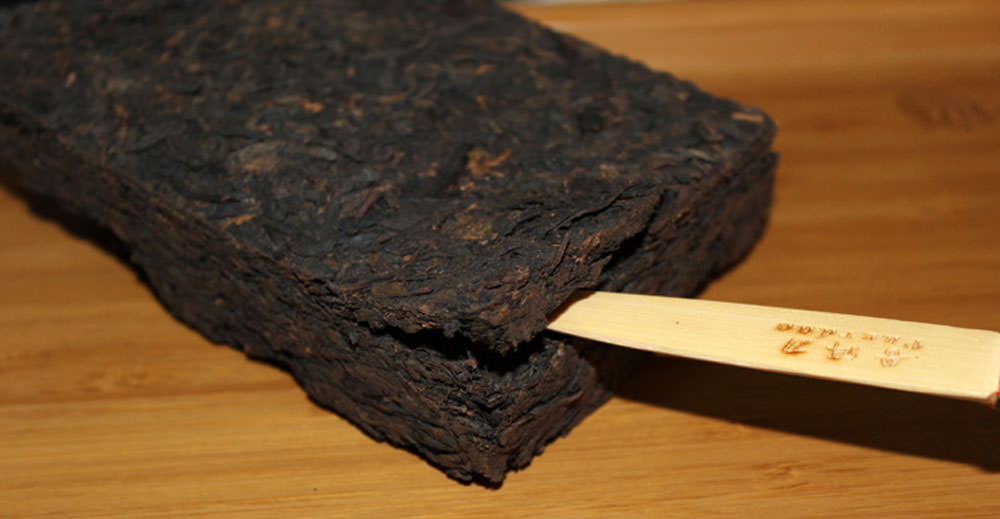
Different dark tea bricks require different brewing methods. However, regardless of the variety, all tea bricks need to be broken apart before brewing—a process known as prying the tea. This should be done using a specialized Pu-erh tea knife rather than a regular kitchen knife. Insert the knife into the side of the tea brick and gently pry upward to break off a piece.

Tea brick

▲Simply lift gently to separate.

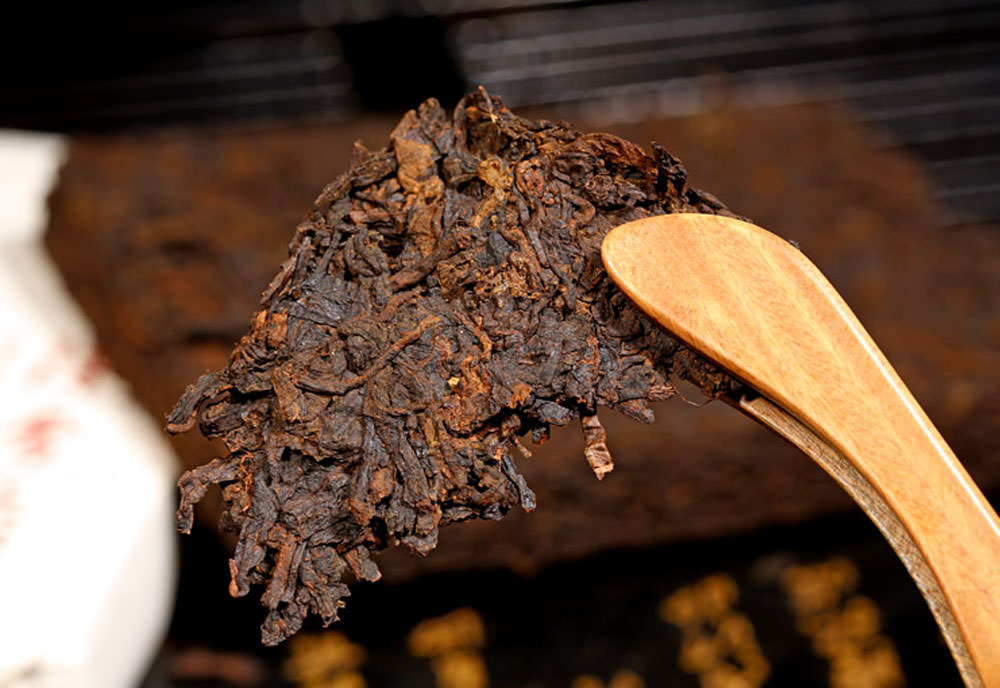
The pried tea leaves are then ready for brewing. Generally, dark tea is best brewed with spring water in a medium-to-large teapot. Use a ratio of 1 to 50 for the tea leaves, pour in boiling water, and steep for about 2 to 3 minutes. In addition to steeping, simmering is also an option: use a 1 to 40 ratio, add the tea to boiling water, and simmer for about 2 minutes. Strain out the tea leaves and enjoy.

Tea brick

▲Brewing Pu-erh tea bricks is best done at a ratio of 1 to 50.

Shopping Cart