
Also known as bingcha, tea cakes are a form of compressed tea commonly seen in Pu-erh and Anhua dark teas, which typically belong to the dark tea (heicha) category. Tea cakes are arguably the most common shape for post-fermented teas. Varieties such as Pu-erh tea cakes, Anhua dark tea cakes, and Tibetan tea cakes are exceptionally popular, prized for their aesthetic appeal, ease of transport, and storage benefits.
Dark tea is a post-fermented tea that requires aging after production to facilitate fermentation. Pressing it into a tea cake not only makes transportation easier, but also optimizes storage conditions and promotes the fermentation process. In recent years, Pu-erh and Anhua dark teas have been increasingly pressed into tea bricks or tea cakes, with tea cakes being the most favored format. Premium aged raw Pu-erh tea cakes can command very high prices and are even sought after as collector’s items.
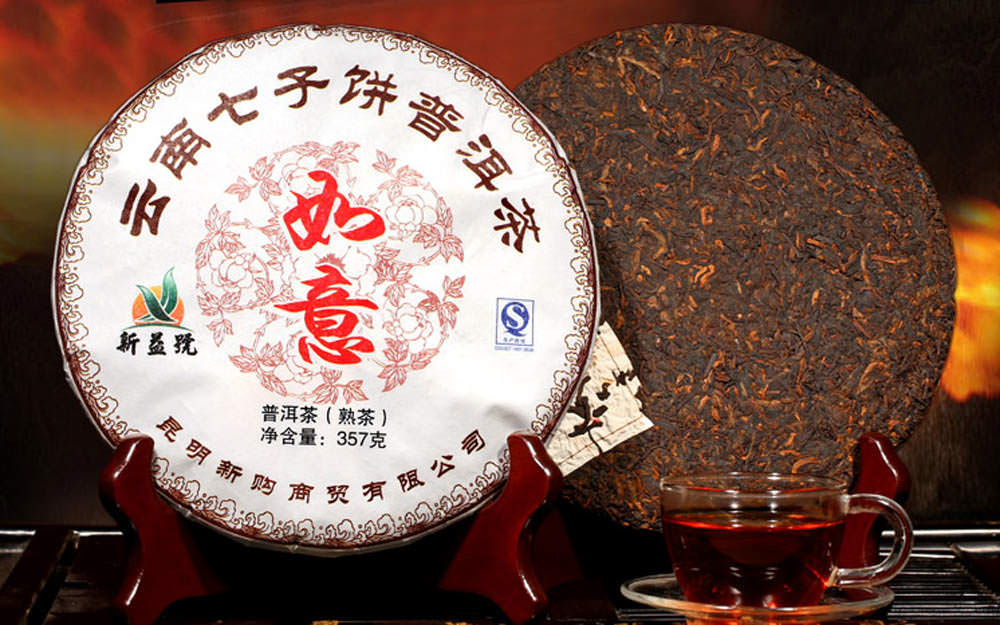
▲ Ripe tea cake (Shou Cha).
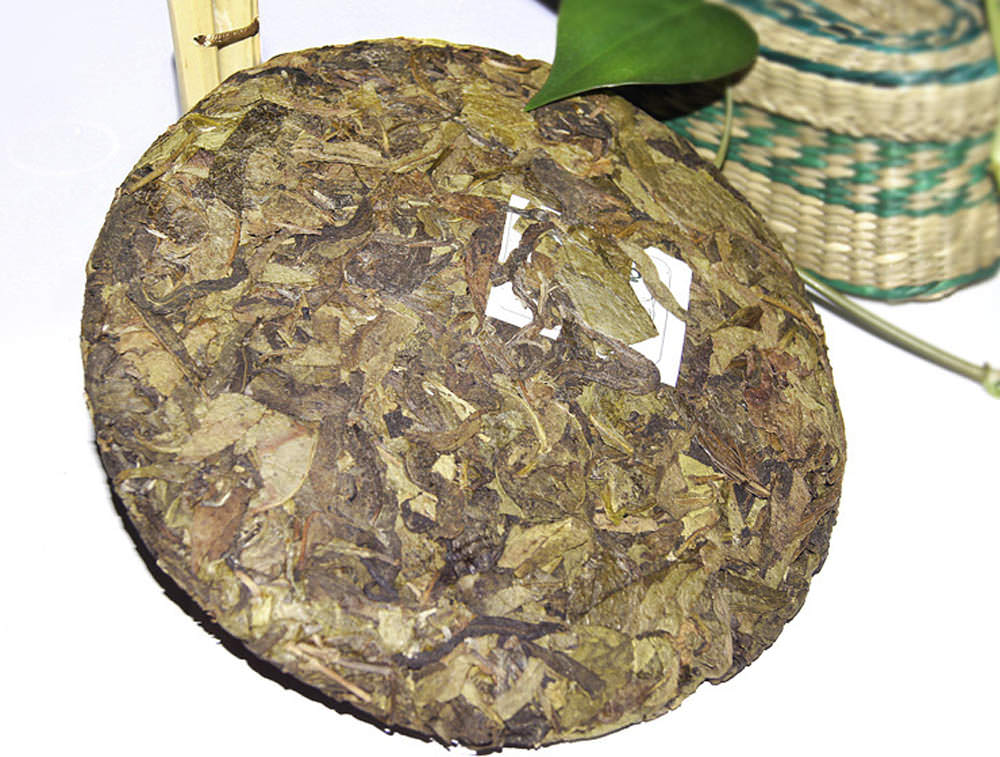
▲ Raw tea cake (Sheng Cha).
How Tea Cakes Are Made
Pu-erh tea is categorized into raw (sheng) and ripe (shou) teas, both of which can be pressed into tea cakes. The key difference is that after the loose leaf tea (maocha) is produced, ripe tea undergoes an additional heap-fermentation (wo dui) process, while raw tea does not. The tea cake production process then begins.
Before pressing, the loose leaf tea must be graded. This is mainly based on the abundance of buds, the ratio of buds to leaves, leaf size, and the quality of the tea leaves (chaqing). Next, high-temperature sterilization is performed, followed by blending. Tea masters adjust the ratios of different raw materials based on experience to blend consistent tea cakes.
The pressing process then begins. First, the loose green tea (qīng máochá) is softened using high-temperature steam. For a standard 357g tea cake, it is steamed for about 7 seconds before being pressed into shape. After pressing, the cakes are dried. Natural drying takes one day on each side, while drying in a kiln is faster, but the quality falls short of natural drying. Over-drying can make the tea flavor thin and affect the aging process, while under-drying makes the tea prone to mold. This concludes the production process of the tea cake, which is then followed by the long, gradual aging and storage of Pu-erh tea.
Storage of Tea Cakes
Tea cakes are generally stored in either dry or wet warehouses. Dry storage maintains normal indoor humidity, while wet storage has a humidity level above 80%. Dry storage yields better quality, although wet storage accelerates the aging process. For home storage, you simply need to keep the tea cakes away from direct sunlight, ensure good ventilation, and store them away from sources of strong odors.
How to Pry Open Tea Cakes
Always use a dedicated tea knife rather than a kitchen knife. Insert the tea knife into the edge of the tea cake, push it forward, and then pry upward to gently loosen and lift the tea leaves.
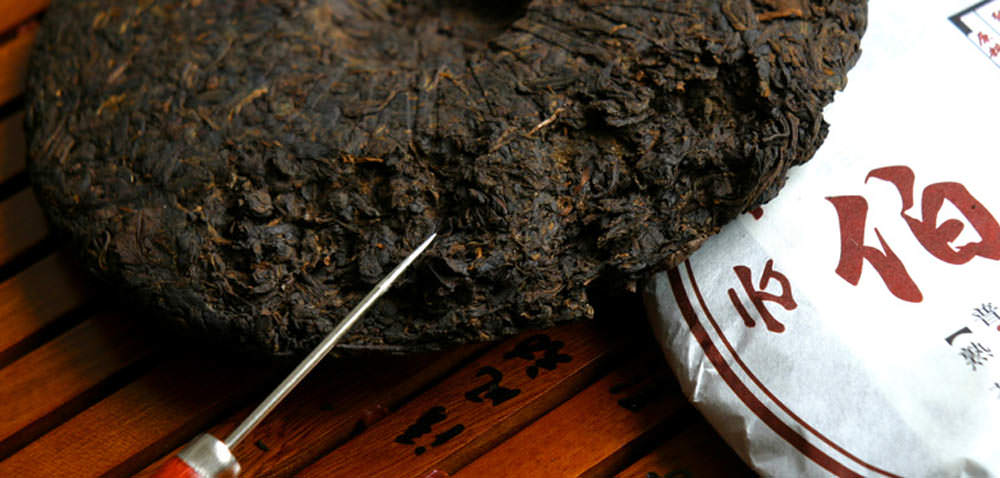
▲ Use a specialized tea knife or tea needle to break apart tea cakes.
How to Brew Tea Cakes
Most tea cakes belong to the dark tea category, and their brewing methods are largely similar. First, break off the desired amount of tea. Choose a medium-to-large, thick-walled teapot, bring water to a boil at 100°C, use a tea-to-water ratio of 1:50, steep for about 2 to 3 minutes, and it is ready to serve. Alternatively, you can use the simmering method: use slightly less tea, put the leaves into a boiling pot of water, simmer for 2 minutes, and enjoy. You can also add milk or a pinch of salt for flavor.
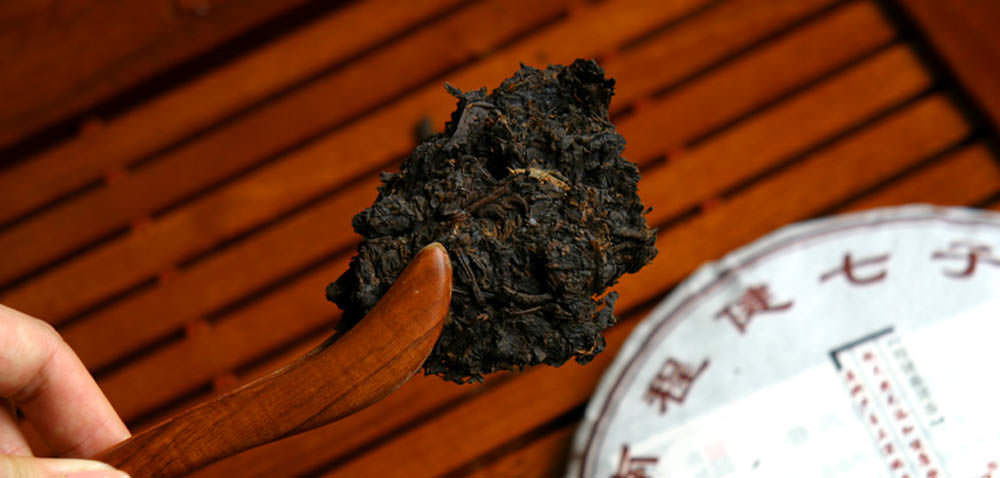
▲ The recommended tea-to-water ratio is 1:50.