Liulongtou Tea Plantation: 1,800 Meters Above Sea Level

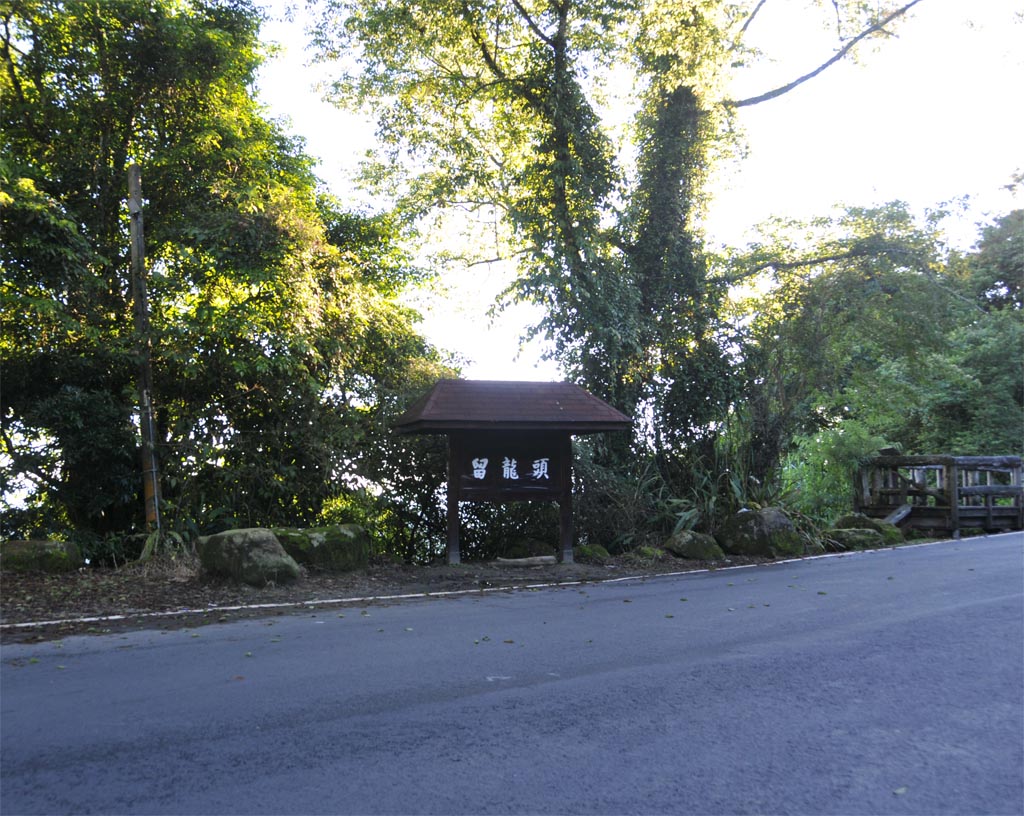
The correct original name is “Liulongtou” (cableway head), referring to the aerial cableways historically used for transporting timber. Because the original name didn’t sound as refined, it was later changed to Liulongtou (staying dragon head). The Liulongtou tea plantation sits at an elevation of over 1,800 meters.

Liulongtou Tea Plantation

Liulongtou Tea Plantation, elevation 1,600–1,800 meters

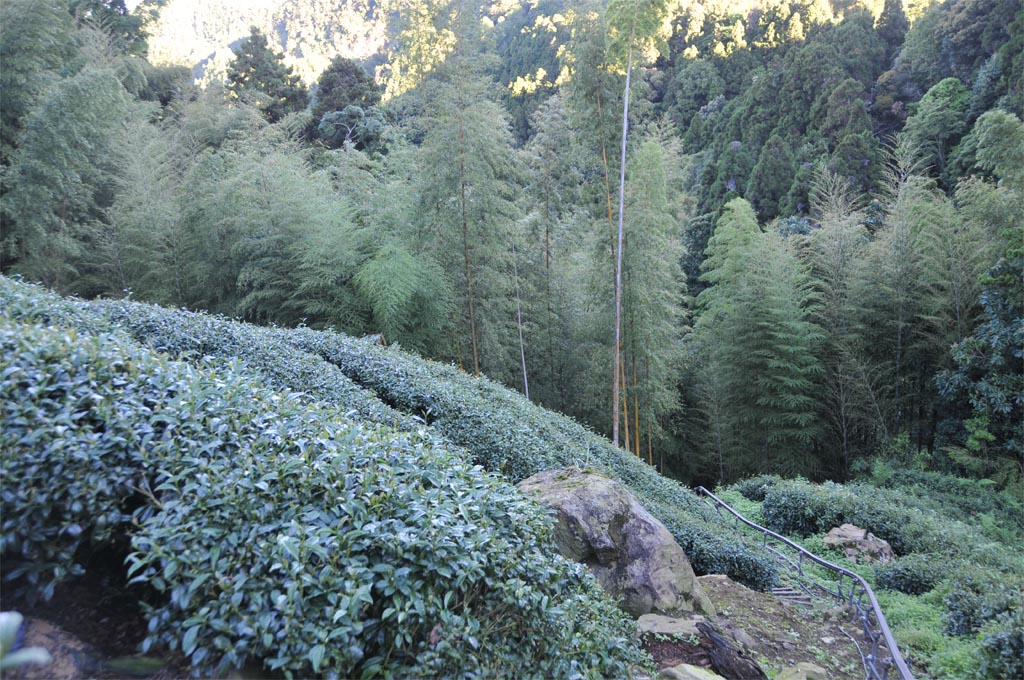
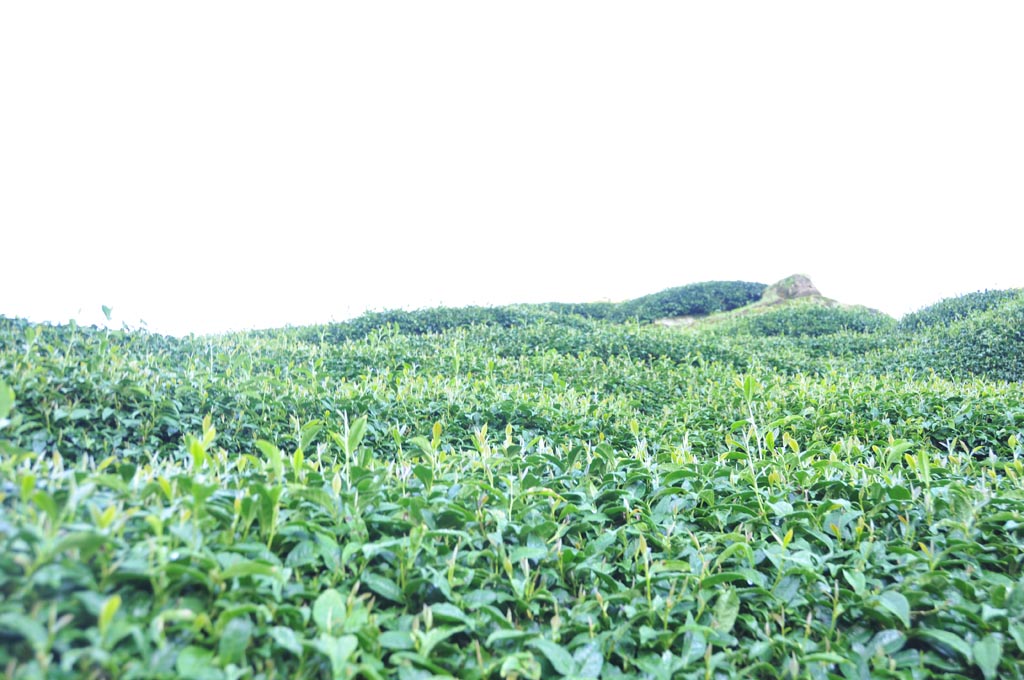
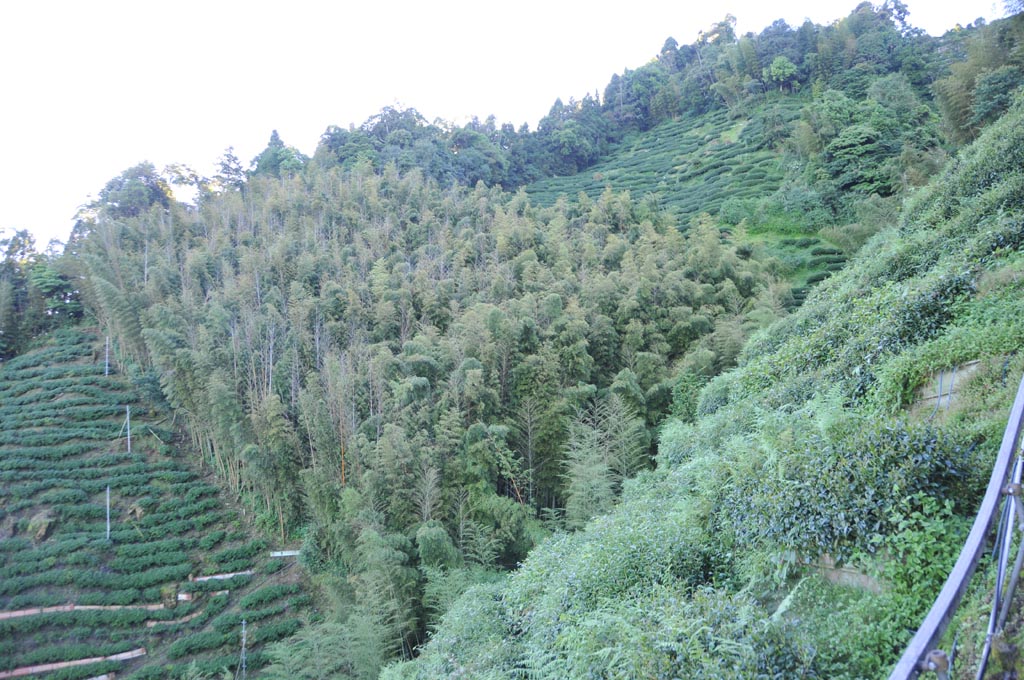
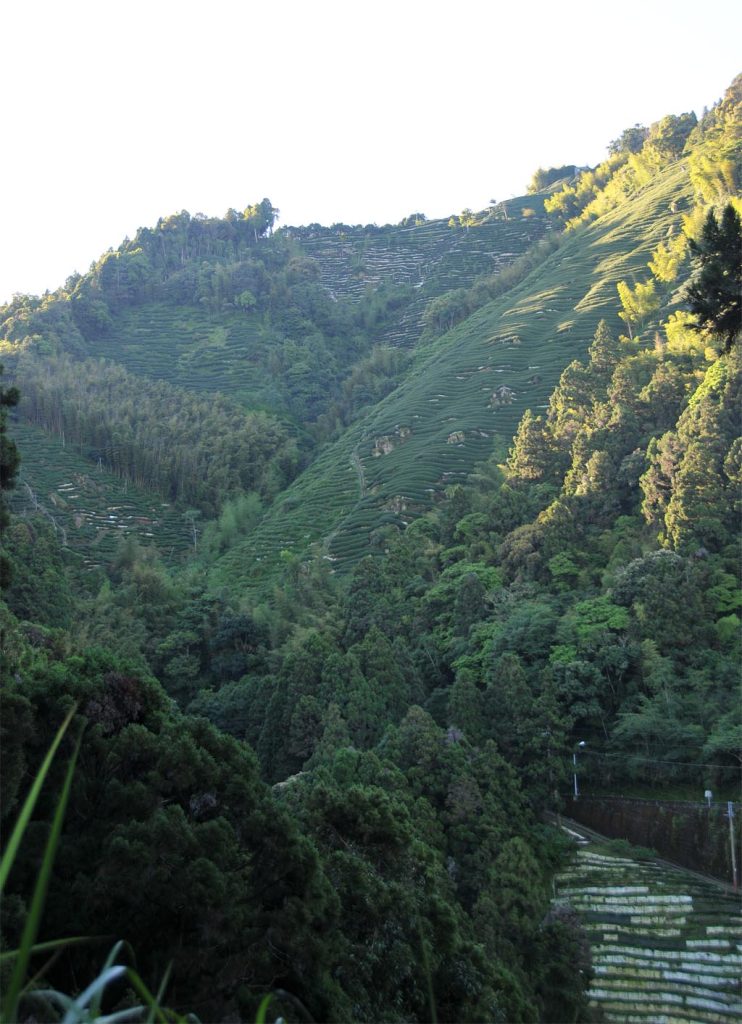
Calling it a tea region is a bit of a stretch since there are only two tea plots here. The lower plot sits at around 1,600 meters, while the upper plot exceeds 1,800 meters. The terrain is exceptionally steep, reflecting the tremendous effort the owner poured into cultivating this land.

Liulongtou Tea Area
Liulongtou Tea Area

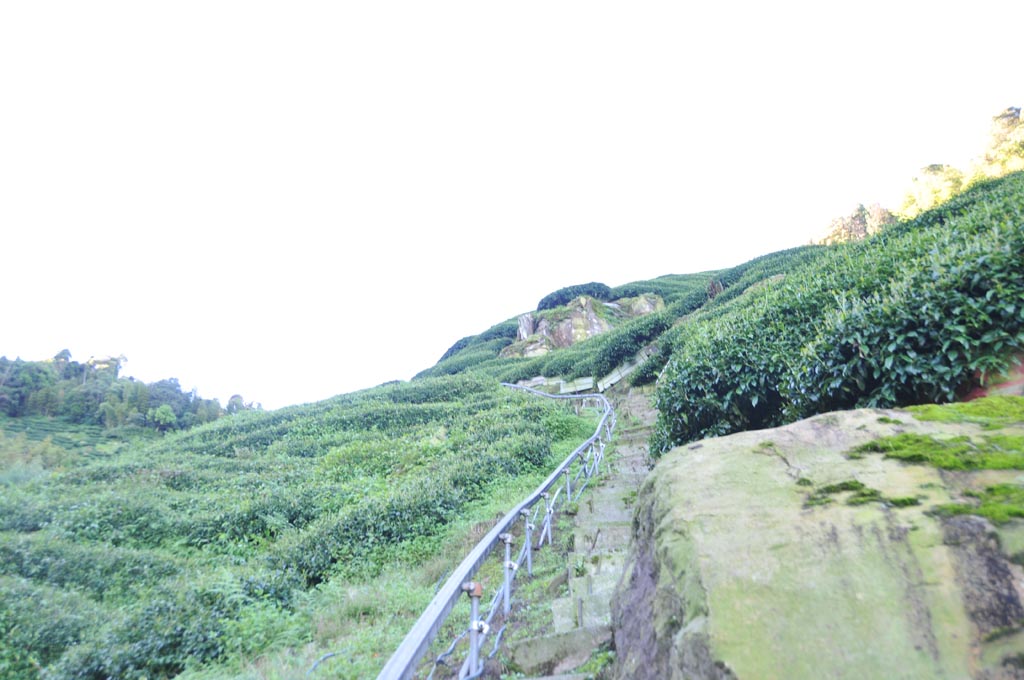
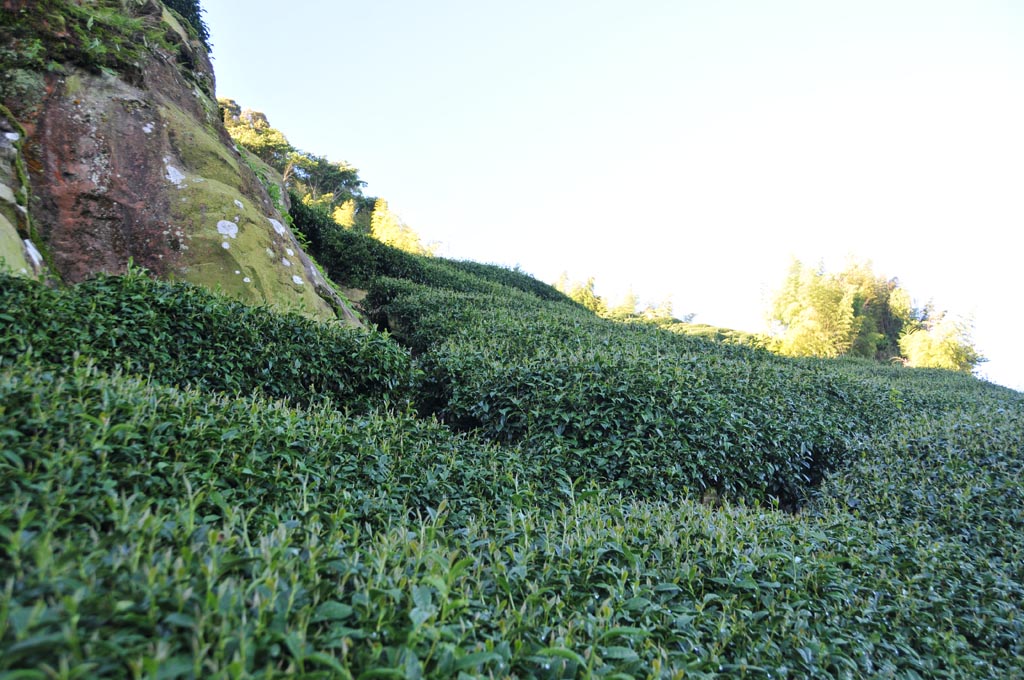
With slopes exceeding 70 degrees, monorail carts are required to transport tea leaves and fertilizer, and retaining walls are installed in the soil to prevent erosion. Despite the steep cliffside, the owner keeps the tea bushes in top condition, sparing no expense on fertilizer.

Liulongtou Tea Area

▼ The steep cliffside features a monorail system for transporting tea leaves and fertilizer.

Liulongtou Tea Area
Liulongtou Tea Area
Liulongtou Tea Area

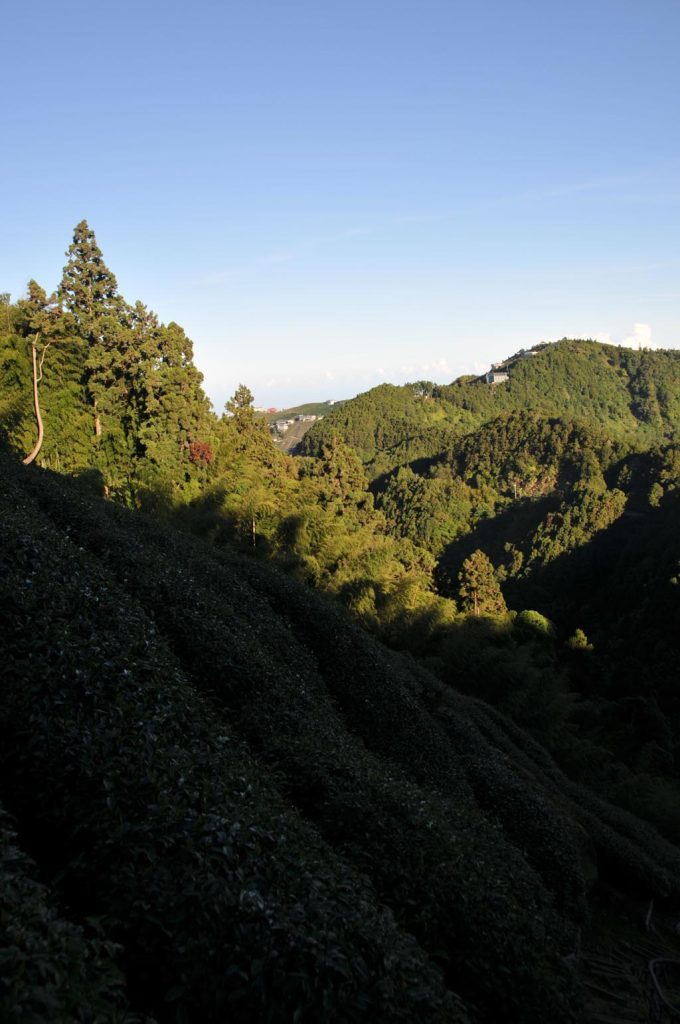
▼ In the distance is the LongFengXia Tea Region. As you can see, this location sits even higher than LongFengXia.

Liulongtou Tea Area

Spring tea is harvested in late April to early May, and winter tea is harvested in October. The tea cultivar is Qingxin Oolong, processed as a lightly fermented oolong.

Directions: The tea plantation is right alongside Xishan Road. After passing LongFengXia, you will spot the Liulongtou road sign.

Store Manager’s Review: The tea plantation is steep and difficult to cultivate. The tea bushes are exceptionally well-maintained.

Shopping Cart