Author name: 廖長興茶業

Qilai Mountain tea leaves

Qilai Mountain Tea: An Emerging High-Quality Origin

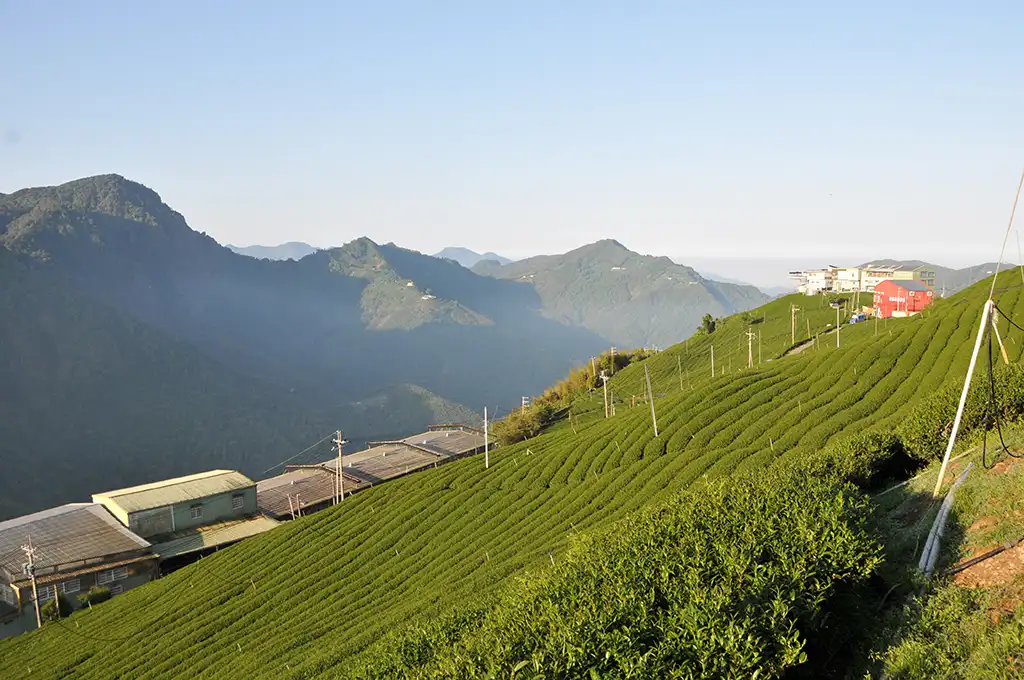
Qilai Mountain tea is grown in the areas of Duda Village and Delugu Village in Ren’ai Township, Nantou County. The tea gardens are mainly distributed along Highway 14 at the 96 km mark, above Duda Village, and above the Jingguan Settlement. In recent years, this region has received extremely high praise in the tea industry,
2022 Spring Tea Harvest Update

The harvest for 2022 spring tea kicked off in late March (in lower-elevation Alishan), followed by Alishan and Zhushan in Nantou in early April, Fanzitian in Zhushan in mid-April, LongFengXia in ShanLinXi in late April, Malieba and Cuifeng in early May, and finally Biluoxi, Cuifong, Qilai Mountain, Meifeng, and HuaGung in early to mid-May. Alishan

LongFengXia Tea Region

LongFengXia Tea Region: LongFengXia Tea at an Altitude of 1,800 Meters

ShanLinXi High Mountain Tea is renowned far and wide, with the “LongFengXia Tea Region” being the most famous of all. Located in Zhushan Township, Nantou County, LongFengXia reaches altitudes of up to 1,800 meters. The tea produced here boasts a very distinctive “high mountain mountain aura” (shan tou qi), making it a star-studded origin for

Introduction to Alishan Tea

Alishan tea is primarily grown within 50 kilometers of the Tropic of Cancer, at altitudes ranging from 1,000 to 1,800 meters. This makes it an ideal region for tea cultivation, producing premium-quality Alishan tea that is deeply loved by consumers. The main tea varieties grown in Alishan are Qingxin Oolong, JinXuan, Sijichun, and CuiYu. Oolong

Jingshan Tea

Jingshan Tea: The Story of a Millennial Zen Monastery and Its Tea

Jingshan Tea is a type of green tea, also known as Jingshan Xiangming, originating from Zhejiang Province, China. It gets its name from Jingshan Temple, where it was first created. Jingshan has been a popular destination since the Tang Dynasty, and with its flourishing Zen monastery culture, the local tea industry naturally thrived. By the

Chun Mee Tea

Produced at the intersection of Anhui, Zhejiang, and Jiangxi provinces, Chun Mee is an unfermented green tea. It is a well-known Chinese green tea variety and one of the most widely cultivated and highest-yielding types of tea. Characterized by its slender, eyebrow-like shape and tightly twisted strips, it brews into a glossy, emerald-green liquor with

Jinshan Cuiya Green Tea

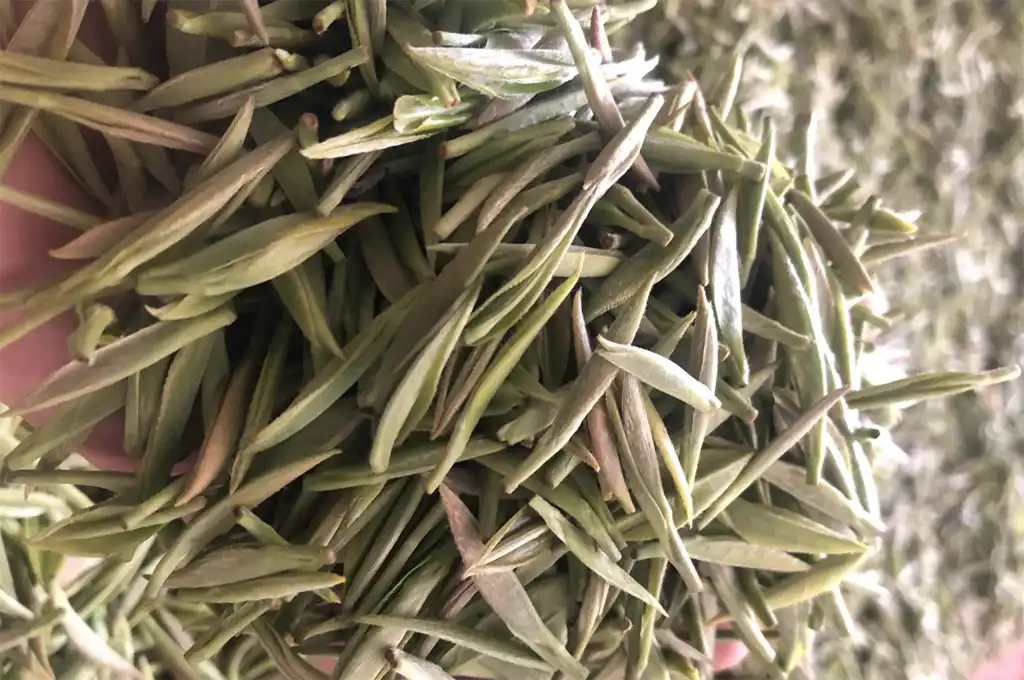
Jinshan Cuiya originates from Zhenjiang City, Jiangsu Province, and belongs to the green tea category. Created in the 1980s, while not a centuries-old historical tea, Jinshan Cuiya has gained popularity across China in recent years due to its exceptional quality, leading to expanding cultivation areas. Because it is difficult to produce, Jinshan Cuiya is relatively

Yongxi Huoqing tea

Yongxi Huoqing: A Rare Pearl-Shaped Green Tea

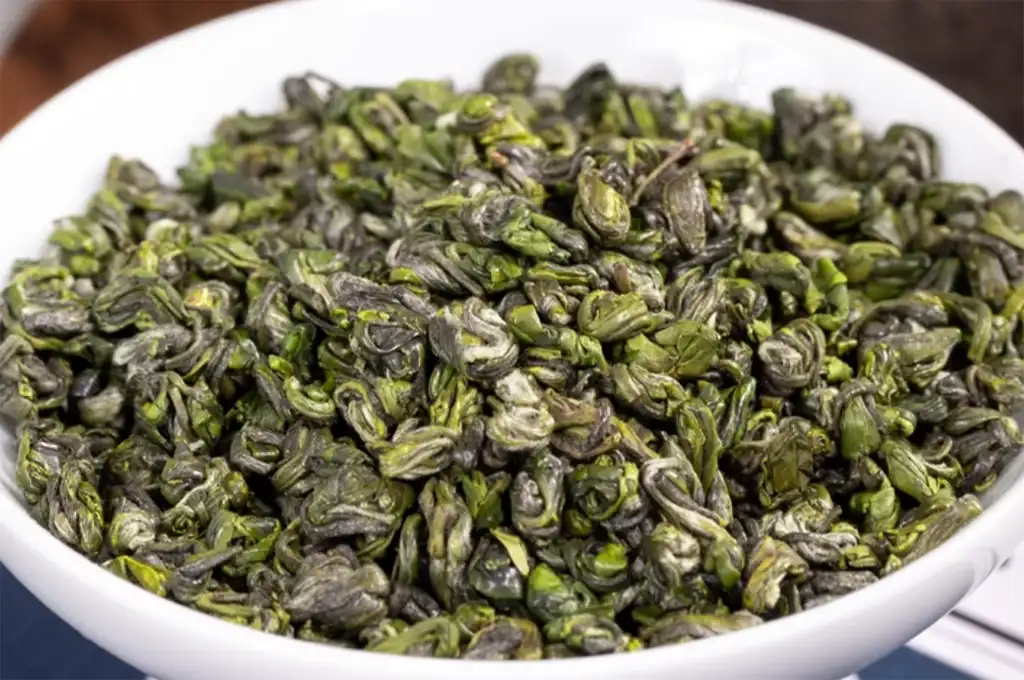
Yongxi Huoqing tea is produced in Yongxi Mountain, Jing County, Anhui Province, and belongs to the green tea category. Developed and improved from Pingshui gunpowder green tea, the finished product resembles pearls, making it a very rare pearl-shaped green tea. It has a production history spanning 400 years. Origin and Legend of Yongxi Huoqing Tea

Zhenghe Gongfu Black Tea

Zhenghe Gongfu Black Tea: A Century-Old Black Tea Tradition

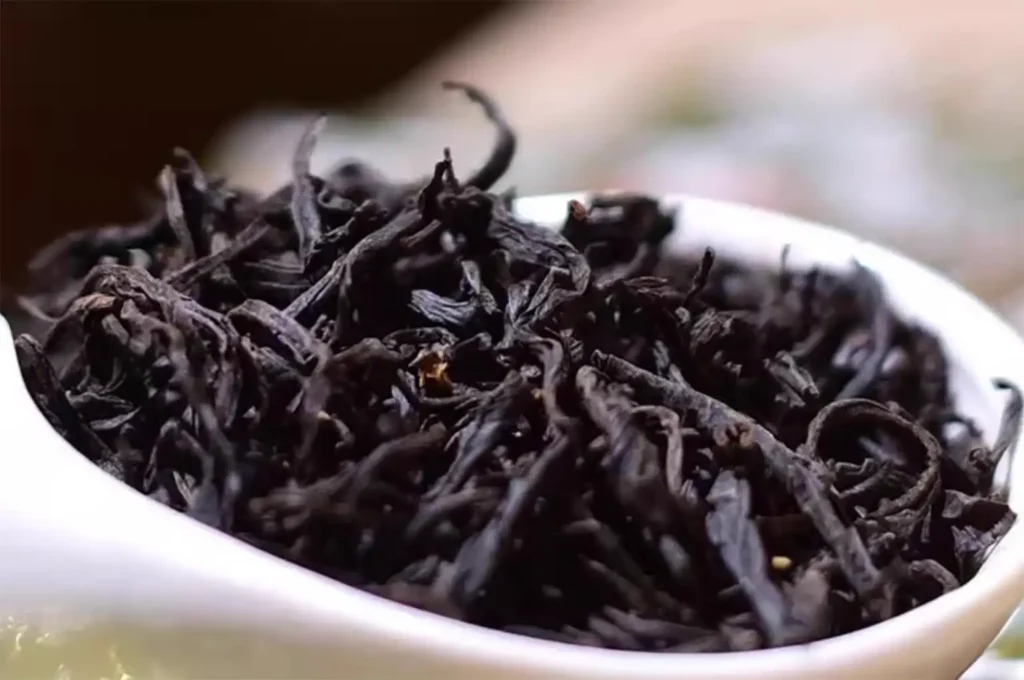
Zhenghe Gongfu Black Tea, also known as Zhenghe Black Tea or Zhenghe Gongfu, is produced in Zhenghe County, Fujian Province, and is classified as a fully fermented black tea. Crafted primarily from Zhenghe Dabai (Large White) tea leaves, Zhenghe Gongfu stands out for its abundant pekoe, rich and robust flavor, mellow body, and lingering aroma.

Pingyang Yellow Tea

Pingyang Huangtang: A Strip-Style Yellow Tea

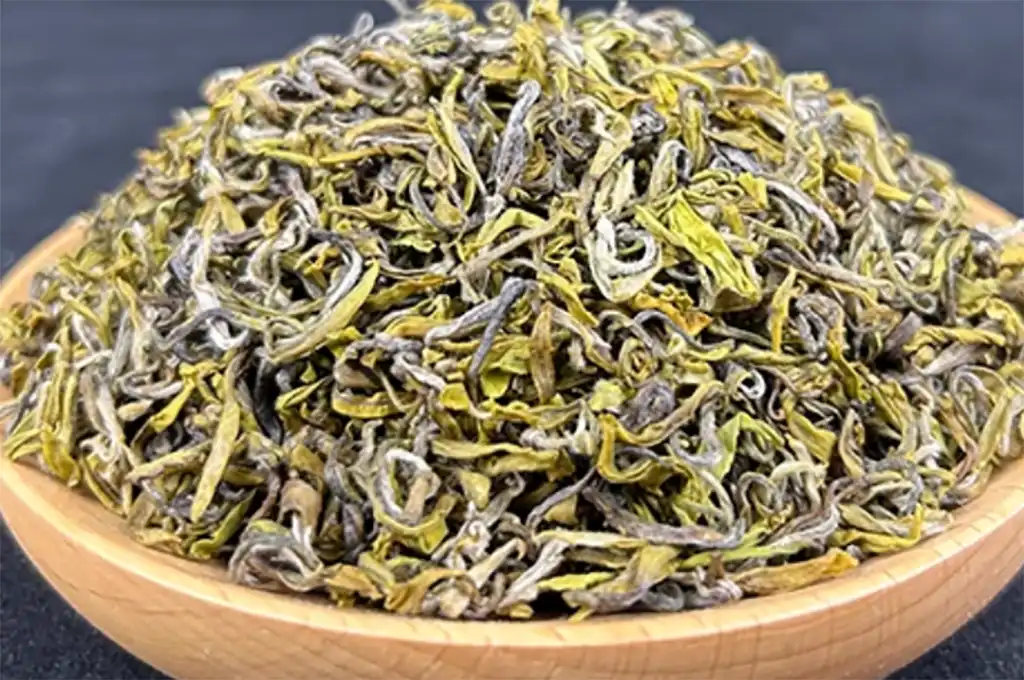
Pingyang Huangtang, also known as Wenzhou Huangtang, is produced in regions such as Pingyang, Taishun, and Rui’an in Zhejiang. Belonging to the yellow tea category, it can be further classified into small-leaf yellow tea and yellow bud tea. It is characterized by yellow leaves and a bright yellow liquor, offering a rich yet non-astringent taste

Yuan'an Luyuan Yellow Tea

Yuan’an Luyuan Yellow Tea: Premium Yellow Tea Originating from Luyuan Temple

Yuan’an Luyuan Yellow Tea is produced around Luyuan Temple in Yuan’an County, Hubei Province, and is a yellow tea with a long history. It is crafted using a traditional process of prolonged pile-fermentation (menghuang) after rolling, resulting in a golden appearance, rich aroma, bright apricot-yellow liquor, and a mellow, sweet, and refreshing taste. Yuan’an Luyuan

Introduction to Tea Strainers

A tea strainer, also known as a tea funnel, is designed to be placed over the fairness pitcher (cha hai) to prevent spills and waste when pouring tea. Much like a regular funnel, it makes pouring tea both easier and more precise. Nowadays, most tea strainers are combined with a fine mesh to filter out

Introduction to Tea Trays

The main function of a tea tray is to catch spilled tea water while keeping the area clean and preventing the tea-making process from creating a mess. They are primarily made from bamboo, wood, stone, and ceramic. A good tea tray not only makes brewing tea more enjoyable but also offers great aesthetic and collectible

Kaihua Longding Tea

Kaihua Longding Tea: Refreshing and Crisp Like Blooming Orchids

Kaihua Longding Tea, often simply called Longding Tea, originates from Kaihua County in Zhejiang Province and belongs to the green tea category. Known for its robust buds covered in fine hairs, refreshing and crisp taste, and resemblance to a blooming orchid, Kaihua Longding Tea is a favorite in the tea market. Although its history is

Anhua Dark Brick Tea

Anhua Dark Brick Tea: Tightly Pressed Dark Tea

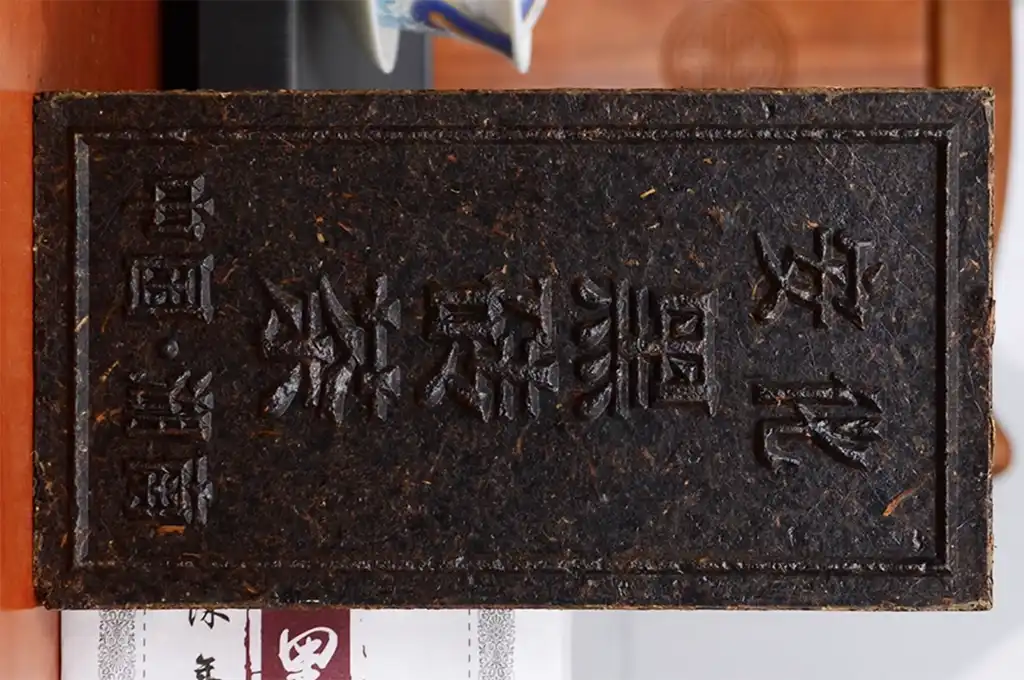
Produced in Anhua County, Hunan Province, Anhua Dark Brick Tea represents a specific material grade among Anhua dark brick teas. Traditionally, dark brick tea was considered to be made from more ordinary material; however, with proper aging and favorable growth of golden flower fungi (Eurotium cristatum), Anhua Dark Brick Tea can also elevate itself to

Shopping Cart