
Jingshan Tea is a type of green tea, also known as Jingshan Xiangming, originating from Zhejiang Province, China. It gets its name from Jingshan Temple, where it was first created. Jingshan has been a popular destination since the Tang Dynasty, and with its flourishing Zen monastery culture, the local tea industry naturally thrived. By the Song Dynasty, Jingshan Tea had become a tribute tea, spreading its fame far and wide.
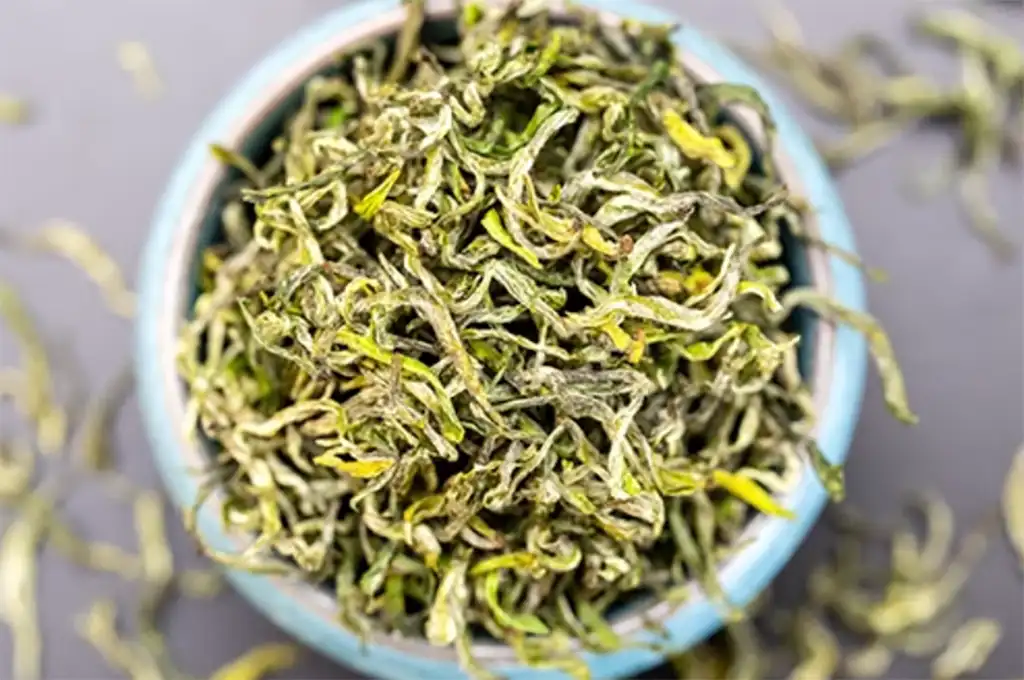
Origins and Characteristics of Jingshan Tea
The history of Jingshan Tea traces back to the Tang Dynasty and reached its peak during the Song Dynasty. Although the tea industry suffered a decline after Jingshan Temple was destroyed, its exceptional quality gradually brought it back into the spotlight. Key characteristics of Jingshan Tea include slender tea leaves with prominent bud tips, offering a subtle fragrance and a fresh, mellow taste when brewed. The Qing Dynasty poet Jin Yu once praised it in his “Song of Jingshan Tea Picking”: “The Emperor has yet to taste Yangxian tea, and all herbs dare not blossom first; yet Jingshan surpasses them all in pure elegance, its natural flavor and color lingering amidst the misty clouds.” This truly highlights the superior quality of Jingshan Tea. Today, the cultivation area of Jingshan Tea spans 50,000 mu, making it one of the top ten famous teas in Zhejiang Province.
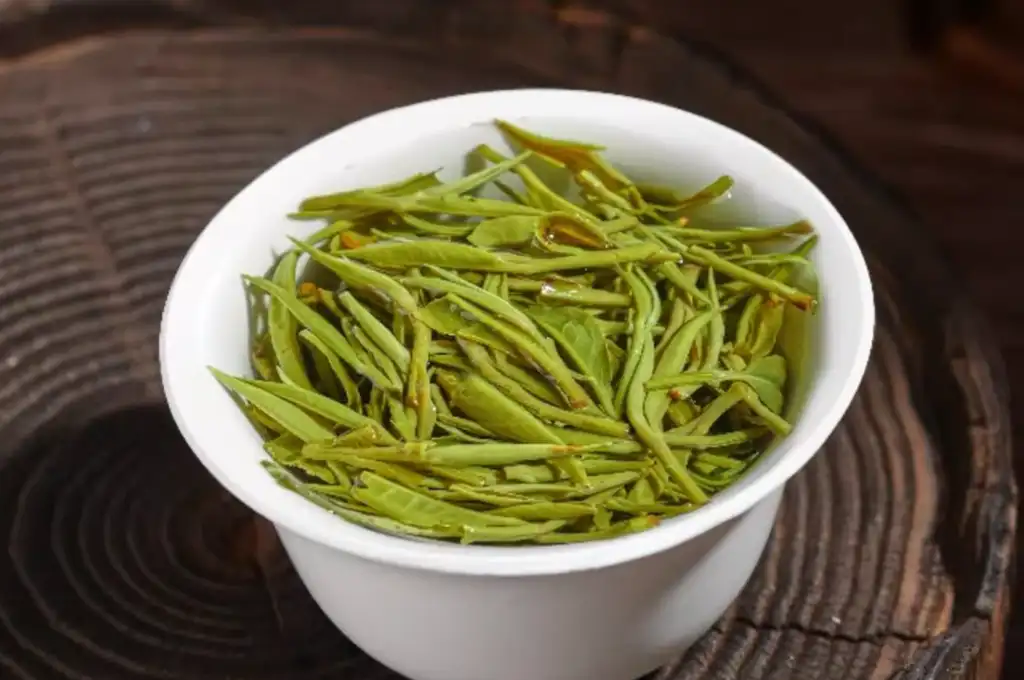
Production Craftsmanship
The production process of Jingshan tea is extremely meticulous. Harvesting is best done when the leaves are tender and early, with tea harvested before Guyu (Grain Rain) offering the highest quality. During harvest, tender leaves consisting of one bud and one leaf, or one bud and two newly unfolded leaves, are selected. After harvesting, the fresh leaves undergo spreading, small-pan fixation, fan-cooling, light kneading, initial drying and cooling, and finally slow-fire drying. These procedures are intricate and delicate, with the roasting stage being the most crucial. The finest Jingshan tea is crafted using traditional charcoal roasting methods, slowly dried over low heat in bamboo baking baskets, and turned every 3 minutes until the moisture content drops to 5%.
Brewing Method
The production technique is quite sophisticated. Harvesting is best done early and with tender leaves, and tea harvested before Guyu is of the highest quality. The ideal harvest consists of one bud and one leaf, or one bud and two newly unfolded leaves. After harvesting, the fresh leaves go through spreading, small-pan fixation, fan-cooling, light kneading, initial drying and cooling, and finally slow-fire drying. The craftsmanship can be described as highly complex. In addition to tender harvesting, the most distinctive feature of Jingshan tea is its roasting process. The finest Jingshan tea is roasted over traditional charcoal, slowly dried over low heat in bamboo baking baskets, turned every 3 minutes, and removed from the basket once the moisture content reaches 5%.
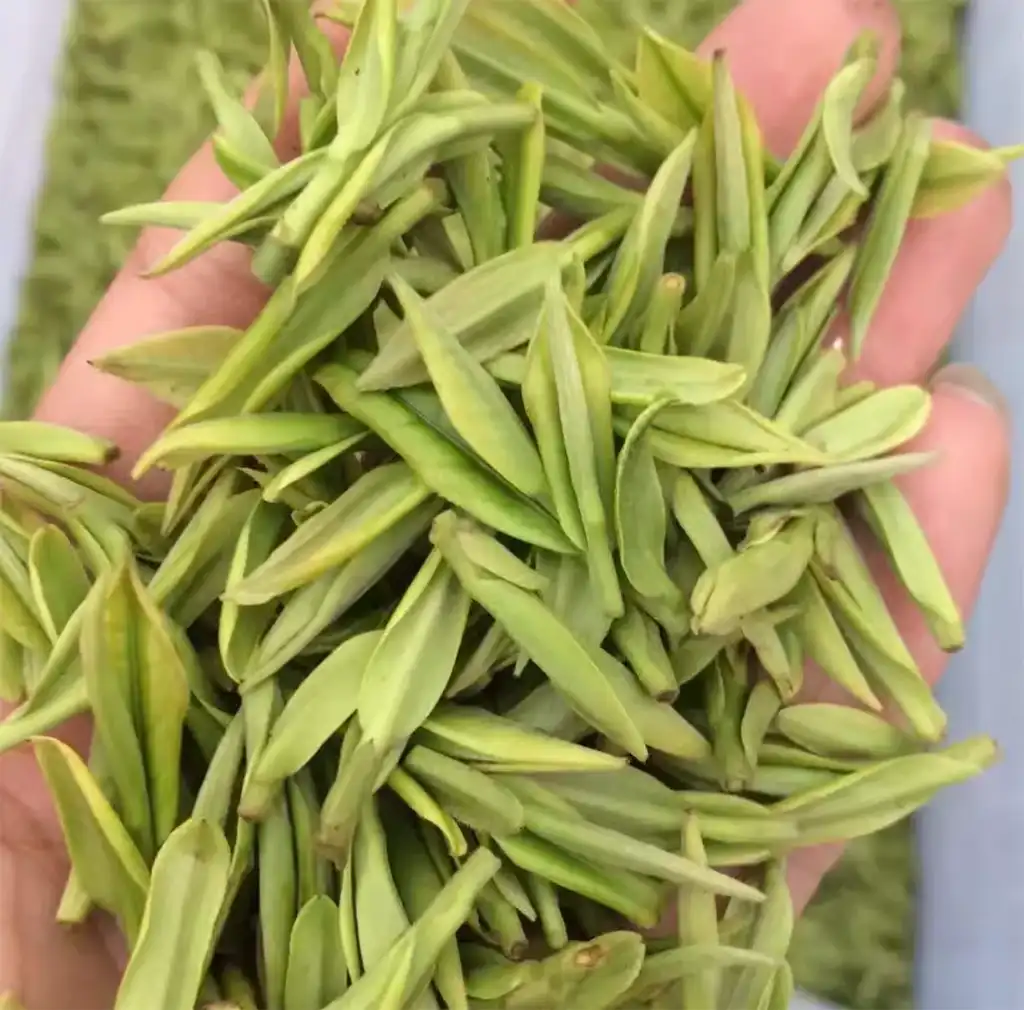
Jingshan tea is not only a traditional famous tea of China, but also a cultural symbol. According to historical records, the Japanese monk Nanpo Shomyo introduced the Jingshan tea ceremony to Japan in 1259, bringing Chinese Zen tea culture along with it. Some believe that the Japanese tea ceremony may have evolved directly from Jingshan tea. This time-honored famous tea is highly revered both in China and internationally.