Pu-erh Tea

How to boil Pu-erh tea

How to Boil Pu-erh Tea? The Best Guide to Brewing Pu-erh on the Stove

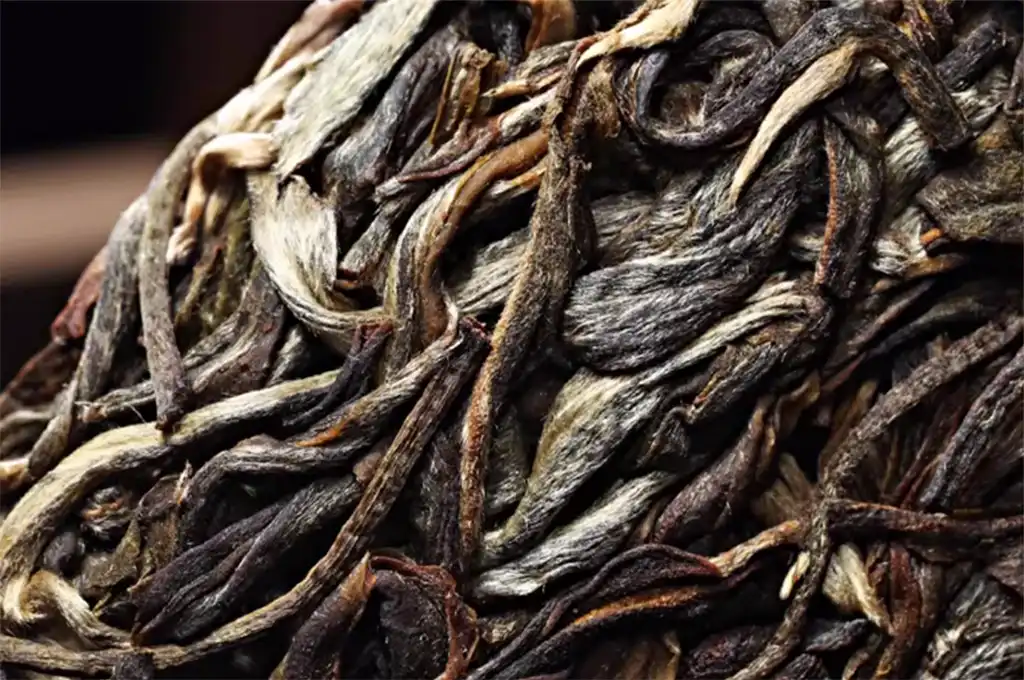
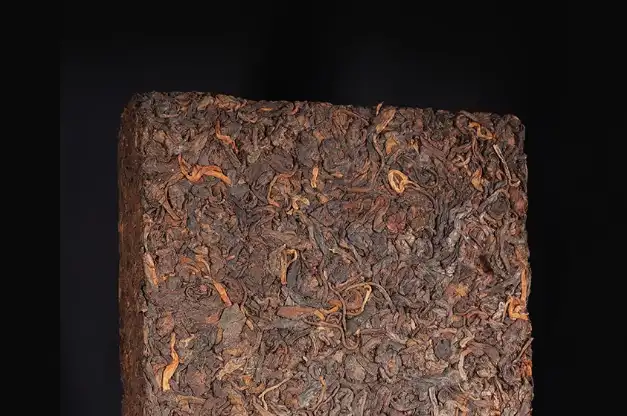
In addition to traditional steeping, Pu-erh tea can also be prepared by boiling. The boiling method involves placing the tea leaves in a pot and simmering them continuously in boiling water, offering a distinct flavor profile compared to regular steeping. Here is our recommended way to boil Pu-erh tea: The Best Way to Boil Pu-erh
Pu-erh tea

Pu’er Tea: China’s Famous Dark Tea Known for Post-Fermentation

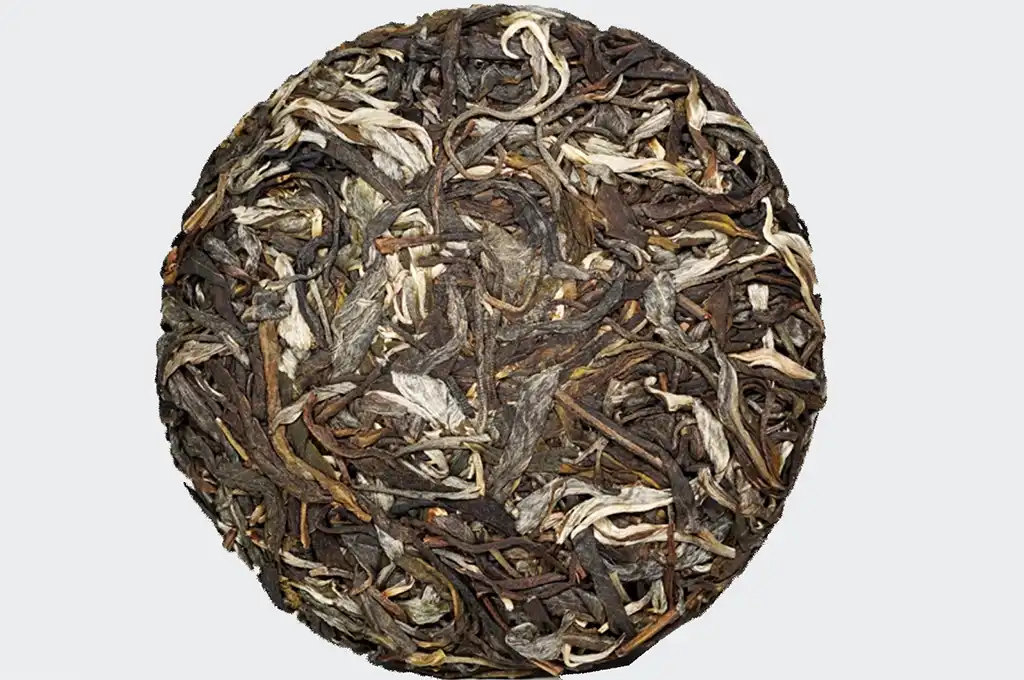
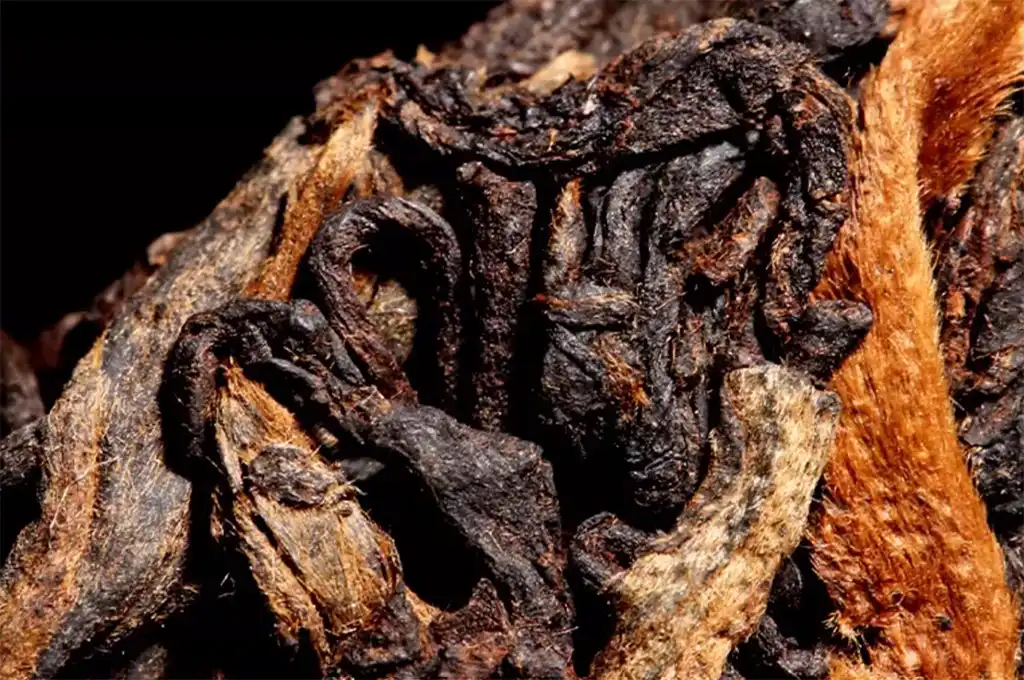
Pu’er Tea originates from Yunnan Province, China, with its main production area located in Pu’er City. Classified as a post-fermented dark tea (heicha), it is one of China’s most renowned teas. It is commonly pressed into tea cakes (bingcha) or tea bricks, with a smaller portion sold as loose-leaf tea. Known for improving with age,

How to Brew Pu-erh Tea

How to Brew Pu-erh Tea: Tips for the Best Taste

How do you brew a delicious cup of Pu-erh tea? As more and more people fall in love with Pu-erh, knowing the right brewing method is just as important as the quality of the tea itself if you want to truly enjoy it. Here is a guide to brewing Pu-erh tea to help you discover

Can Pu-erh tea be cold brewed?

Can Pu-erh Tea Be Cold Brewed? Yes, But with Conditions

Can Pu-erh tea be cold brewed? With high temperatures in the summer, many people love cold-brew tea. However, since Pu-erh is a post-fermented tea, aside from microbial considerations, prolonged subsequent storage can potentially lead to mold growth. Therefore, cold brewing Pu-erh tea is generally not recommended. If you really want to cold brew it, certain

Brewing method for raw Pu-erh tea

How to Brew Raw Pu-erh Tea: Tips for Making a Great Cup

Wondering how to brew raw Pu-erh tea? To make a delicious cup of raw Pu-erh, besides the quality of the tea leaves themselves, water quality, tea-to-water ratio, and steeping time are all crucial. Here is the guide on how to brew raw Pu-erh tea and its benefits: How to Brew Raw Pu-erh Tea: Preparation Get

Benefits of raw Pu-erh tea

Benefits of Raw Pu-erh Tea and Who Should Avoid It

Rumors often circulate that raw Pu-erh tea has cancer-preventing, anti-aging, and dementia-preventing properties, but these are all exaggerated marketing claims. Raw Pu-erh is simply a delicious beverage, not a magical medicine, and it has no medical benefits. Drinking too much of it can even cause side effects. Here are the actual effects of raw Pu-erh

Difference between raw and ripe Pu-erh tea

Raw vs. Ripe Pu-erh Tea: A Beginner’s Guide to the Differences in 1 Minute

What is the difference between raw and ripe Pu-erh tea? Pu-erh tea comes in two types: raw (sheng) and ripe (shou). They differ in production methods and pricing, and their flavor profiles are worlds apart. If you are a beginner, it’s essential to understand these distinctions before making a purchase. Why Does Pu-erh Tea Have

Raw Pu-erh Tea and Ripe Pu-erh Tea

Raw Puerh vs. Ripe Puerh: Which is Better and Which is a Better Value?

Definitions of raw and ripe tea vary across the tea industries in Taiwan and China, which is why many people get confused about the differences between raw and ripe Puerh. The distinction is actually quite simple: Puerh that has not undergone pile-fermentation is classified as raw (sheng) Puerh, while tea that goes through pile-fermentation is

Shopping Cart