
Pu-erh tea is produced in Yunnan Province, China, with its primary production area located in Pu’er City. Classified as a post-fermented dark tea (hei cha), it is one of China’s most famous teas. It is commonly shaped into tea cakes and tea bricks, with a smaller portion produced as loose-leaf tea. Known for improving with age, aged Pu-erh develops a unique flavor profile, making it not only a delightful beverage but also a valuable collector’s item.
Yunnan Pu-erh Tea: China's Most Iconic Fine Tea
The Yunnan region has produced high-quality tea since ancient times, when the local tea was known as “Pu tea.” During the reign of the Yongle Emperor of the Ming Dynasty, although the production of compressed green teas was prohibited, Pu tea was classified as a dark tea, allowing its compressed tea-making craftsmanship to be preserved. Modern Pu-erh tea is best represented by compressed teas, among which Pu-erh tea cakes and tea bricks are exceptionally popular and stand as China’s most representative tea products.
Raw (Sheng) vs. Ripe (Shou) Pu-erh
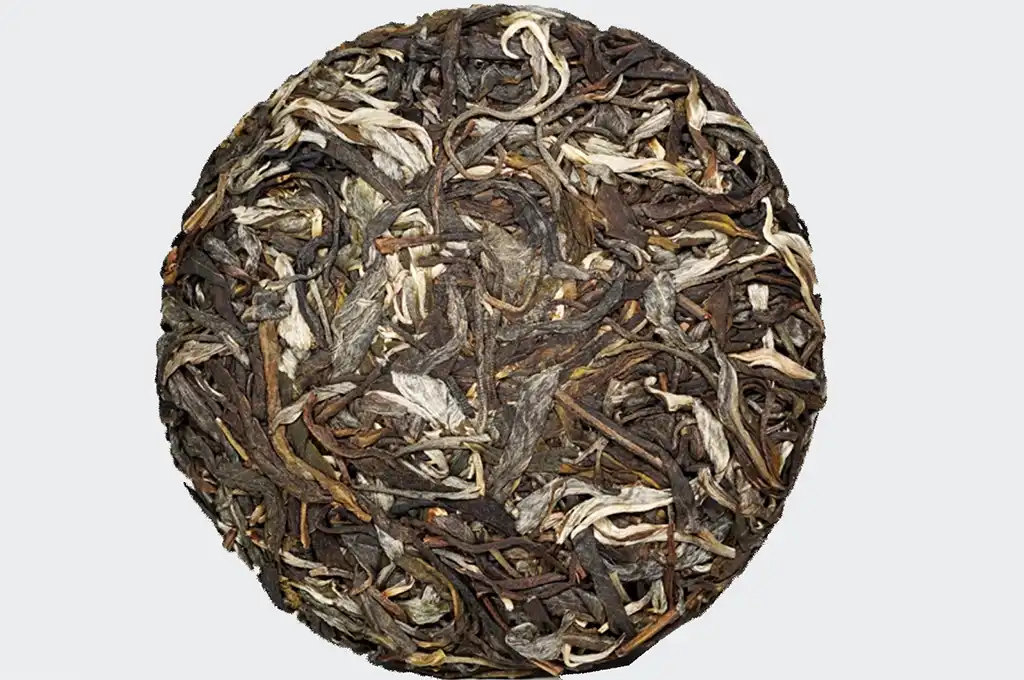
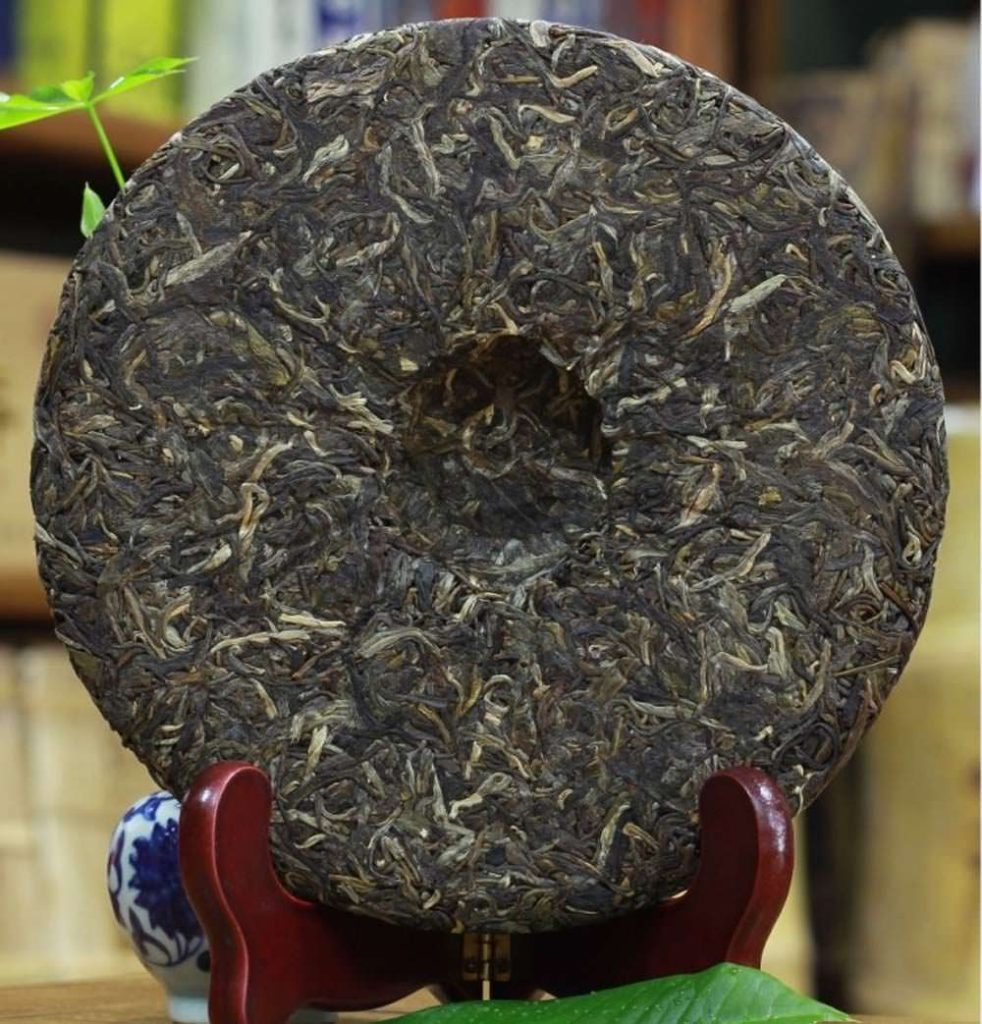
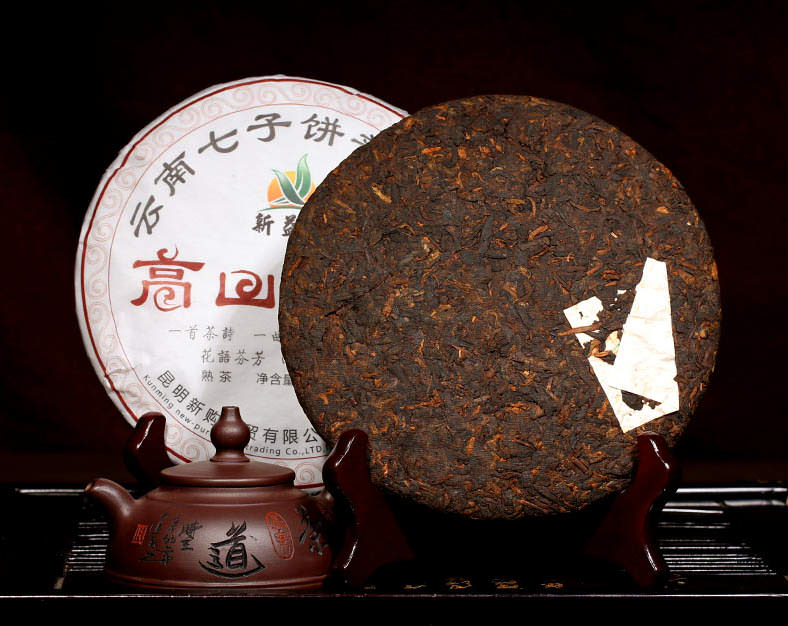
Traditional Pu-erh tea is typically made by pressing sun-dried green tea leaves (maocha) into shapes and allowing them to age naturally; this is known as raw tea (sheng cha). Raw Pu-erh is not particularly palatable at first, but after aging for five years or more, it develops a mature, aged aroma. Because five years is a long time to wait, a “pile-fermentation” (wo dui) process was later introduced to accelerate this process, achieving results similar to five years of natural aging in just two months. Tea made using this technique is called ripe tea (shou cha). Ripe Pu-erh is relatively affordable due to its shorter production time, but the highest-grade Pu-erh on the market remains naturally aged raw Pu-erh, which also commands the highest collector value. (The image above shows raw tea, and the image below shows ripe tea.)
Characteristics of Pu-erh Tea
The defining characteristic of Pu-erh tea is its “post-fermentation” nature. Whether raw or ripe, as long as storage conditions are favorable, the tea leaves continue to ferment over time and taste better the longer they are kept. As the saying goes, “it improves with age,” which is the primary reason aged Pu-erh is so sought after. Pu-erh tea is typically shaped into compressed forms, such as tea bricks, tea cakes, tuo cha, tight tea, and square tea. Compressed tea was originally created for ease of transportation, but it was later discovered that this form also benefits storage and fermentation, which is why most Pu-erh teas today are made into compressed shapes.
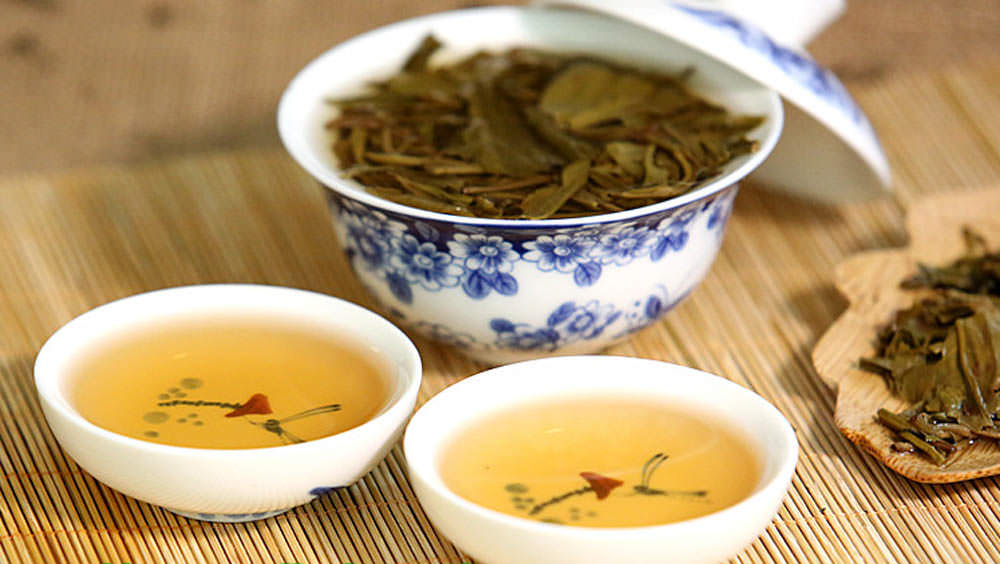
In terms of flavor and appearance, raw Pu-erh tea leaves range from greenish to dark black, yielding a reddish liquor with a sweet, mellow taste when brewed. Ripe Pu-erh features a reddish appearance, with a liquor that is typically deep red. The liquor of raw Pu-erh starts out light and bright; as it ages, the color gradually deepens, and the flavor becomes richer and more aromatic.
| Pu-erh Tea Guide | ||||
| Yunnan Pu-erh | Brewing Guide | Quality Guide | How to Boil | Storage |